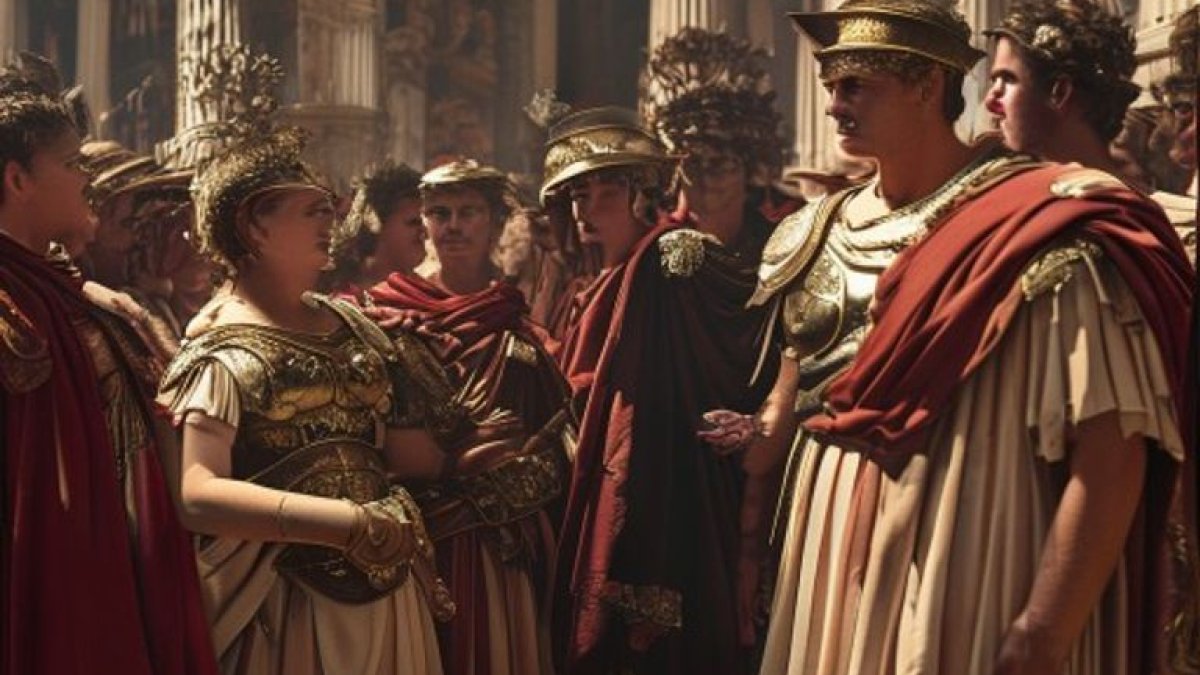
The Roman Republic, in 186 BC, was shaken to its core by what became known as the Bacchanalian Scandal 186 BC, a period of intense moral panic and legislative crackdown against the secret Bacchic cult. This wasn’t merely a theological disagreement; it was perceived as a grave threat to the very fabric of Roman society, encompassing fears of political conspiracy, moral corruption, and criminal activity. The cult, dedicated to Bacchus (the Roman equivalent of the Greek Dionysus), had reportedly spread rapidly throughout Italy, attracting followers from all social strata. While public worship of Bacchus had long existed in a more controlled, Romanized form, the private, nocturnal rites were viewed with extreme suspicion, fueling rumors of orgies, poisonings, and seditious plots. The Senate, ever vigilant about maintaining social order and traditional Roman values, responded with unprecedented ferocity, orchestrating a wide-ranging investigation and issuing decrees that would severely restrict religious freedom for decades to come, leaving an indelible mark on Rome’s relationship with foreign cults and its own citizens’ private religious practices during this turbulent republican era.
The Infiltration of Bacchic Rites into Roman Society
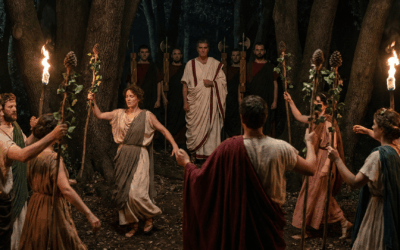
The worship of Bacchus, originating in Greece as Dionysus, made its way into the Roman world primarily via Magna Graecia (southern Italy and Sicily). Initially, the rites, or Bacchanalia, were relatively benign and largely restricted to women, performed three times a year during daylight hours. However, by the early 2nd century BC, according to the Roman historian Livy, these gatherings had undergone a significant transformation. They became nocturnal, increasingly frequent, and began admitting men, often in large numbers. These secret assemblies, conducted away from public scrutiny, began to foster an environment ripe for suspicion. The emotional intensity and ecstatic nature of the rites, often involving wine and communal feasting, were perceived by Roman authorities as dangerous departures from traditional Roman piety and social order. Stories, possibly exaggerated, began to circulate about illicit sexual activity, forgery, and even murder occurring within the cult’s hidden circles, laying the groundwork for the ensuing panic.
Senatorial Decree and the Suppression of the Cult
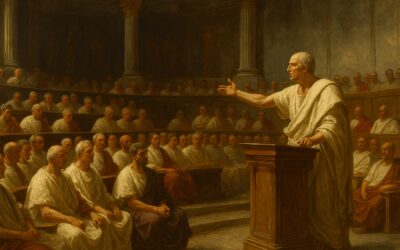
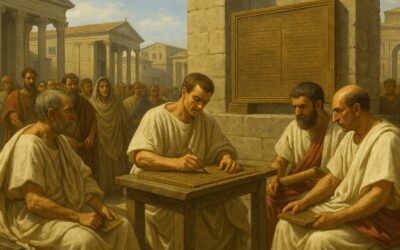
The spark that ignited the full-blown crisis was the testimony of a freedwoman named Hispala Fecenia, who revealed the cult’s alleged transgressions to the consul Spurius Postumius Albinus. Her account detailed a network of secret societies engaged in widespread depravity and potential sedition. The Senate reacted with swift and extreme measures. Fearing a vast conspiracy that threatened the state itself, they launched an unprecedented investigation across Italy. The result was the infamous Senatus consultum de Bacchanalibus of 186 BC, a decree designed to completely suppress the cult in its current form.
Key Provisions of the Decree:
- All existing Bacchanalian shrines (sacraria) were to be destroyed.
- No Bacchanalia could be held without explicit Senate permission, which was rarely granted and required specific rituals.
- Assemblies for Bacchus worship were limited to a maximum of three women and two men.
- Leaders and organizers of unauthorized cults faced severe penalties, including execution.
The crackdown was brutal. Livy claims thousands were arrested and executed throughout Italy, many of whom were believed to have participated in the illicit rites. The property of those convicted was confiscated, and the state went to great lengths to ensure the decree’s enforcement, demonstrating the profound fear the Senate held regarding this perceived internal threat.
Lasting Impact on Roman Religious Practice and State Control
The immediate consequence of the Bacchanalian Scandal 186 BC was the widespread destruction of Bacchic cult infrastructure and the severe punishment of its adherents. While the public worship of Bacchus was not entirely abolished, it was brought under strict state control, effectively neutering its independent and potentially subversive elements. However, the long-term ramifications were far broader. The affair established a powerful precedent for the Roman state’s intervention in religious matters, particularly concerning foreign or mystery cults. It underscored the Senate’s determination to maintain traditional Roman values (mos maiorum) and social order, viewing any independent assembly or belief system that deviated significantly from established norms as a potential threat to the Republic.
The Scandal’s Enduring Legacy:
- State control over religion: It solidified the principle that the state had the right and duty to regulate private religious practices, especially those originating from outside Rome.
- Fear of foreign influence: It fueled Roman anxieties about foreign influences corrupting Roman morals and institutions.
- Reinforcement of Senatorial authority: The decisive action taken by the Senate reinforced its power and ability to act swiftly in times of perceived crisis, whether political, military, or social.
Ultimately, the Bacchanalian Scandal serves as a stark reminder of the Roman Republic’s vigilance against perceived threats to its stability and its willingness to employ harsh measures to protect its cultural and political integrity, shaping its approach to religious freedom for centuries to come.
Frequently Asked Questions
What exactly was the Bacchanalian cult?
The Bacchanalian cult was a mystery cult dedicated to Bacchus, the Roman god of wine, revelry, and fertility, equivalent to the Greek Dionysus. Its rites, known as Bacchanalia, were initially public and more restrained, but private, nocturnal versions, often involving uncontrolled revelry, led to the scandal.
Why did the Roman Senate react so severely to the Bacchanalian cult?
The Senate feared the secret, nocturnal gatherings of the Bacchanalian cult not just as moral corruption but as a direct threat to public order and the state. Rumors of conspiracy, poisoning, forgery, and even sedition within these large, unauthorized assemblies raised concerns about internal subversion and the erosion of traditional Roman values and authority.
What was the *Senatus consultum de Bacchanalibus*?
This was a senatorial decree issued in 186 BC that effectively outlawed the unsupervised worship of Bacchus throughout Roman Italy. It mandated that no Bacchanalian rites could be held without prior senatorial approval, limited the number of participants, and required strict oversight, severely restricting the cult’s practice.
How many people were affected by the Bacchanalian Scandal?
According to Livy, the crackdown was extensive, leading to the arrest and execution of thousands of people across Italy. Many others fled. While Livy’s numbers might be exaggerated, the scale of the suppression indicates a widespread and brutal effort to eradicate the perceived threat.
What was the long-term impact of the Bacchanalian Scandal on Roman society?
The scandal reinforced the Roman state’s authority over religious practices, especially foreign cults and private associations. It established a precedent for state intervention in religious matters when public order or traditional morality was perceived to be threatened, influencing Roman policy on cults for centuries.