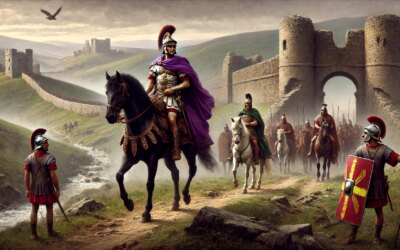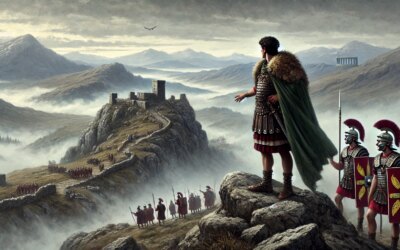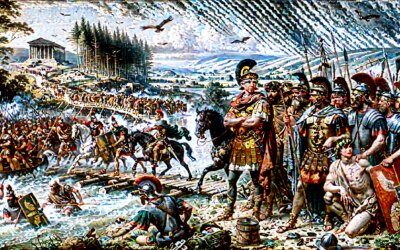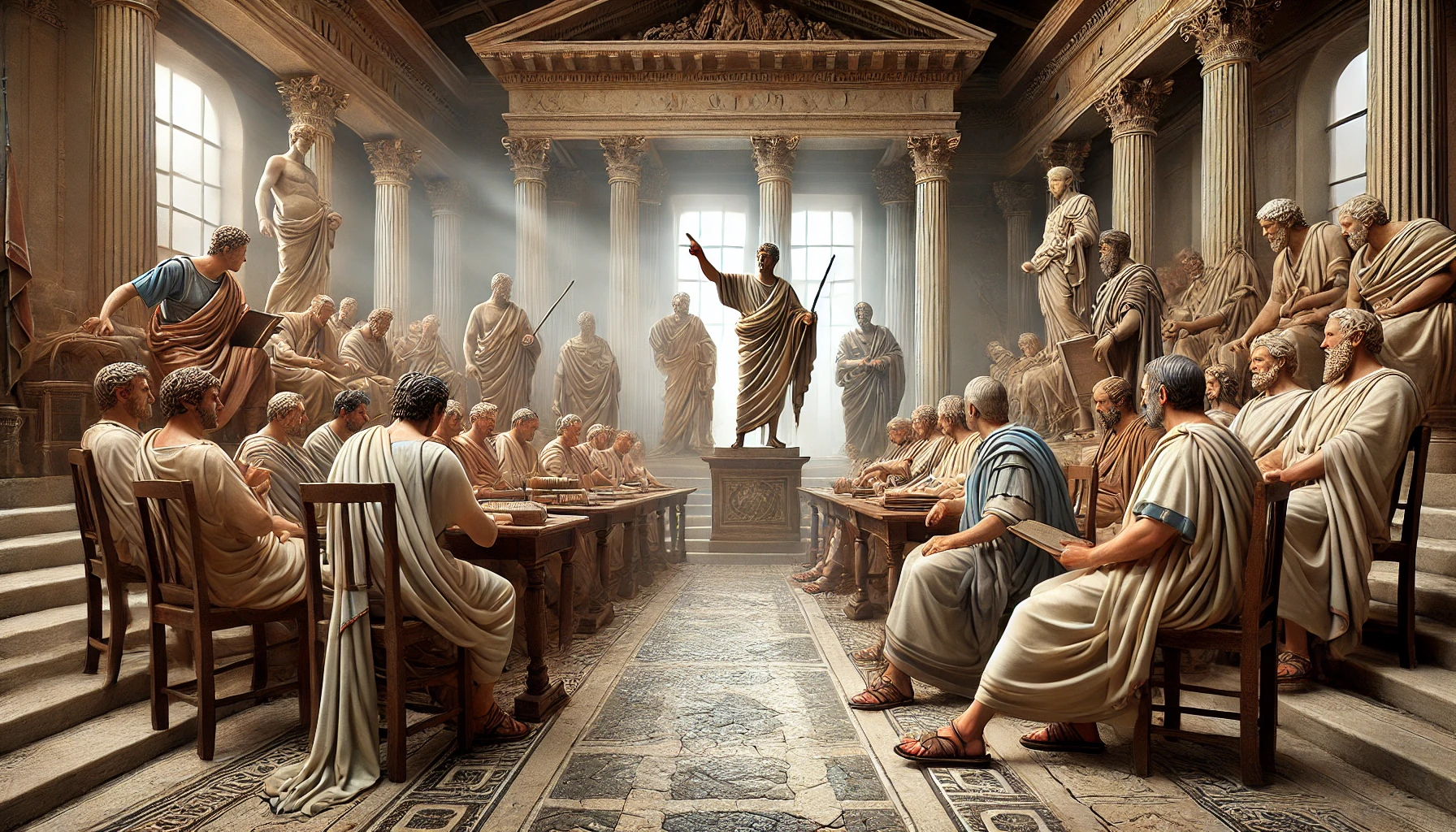
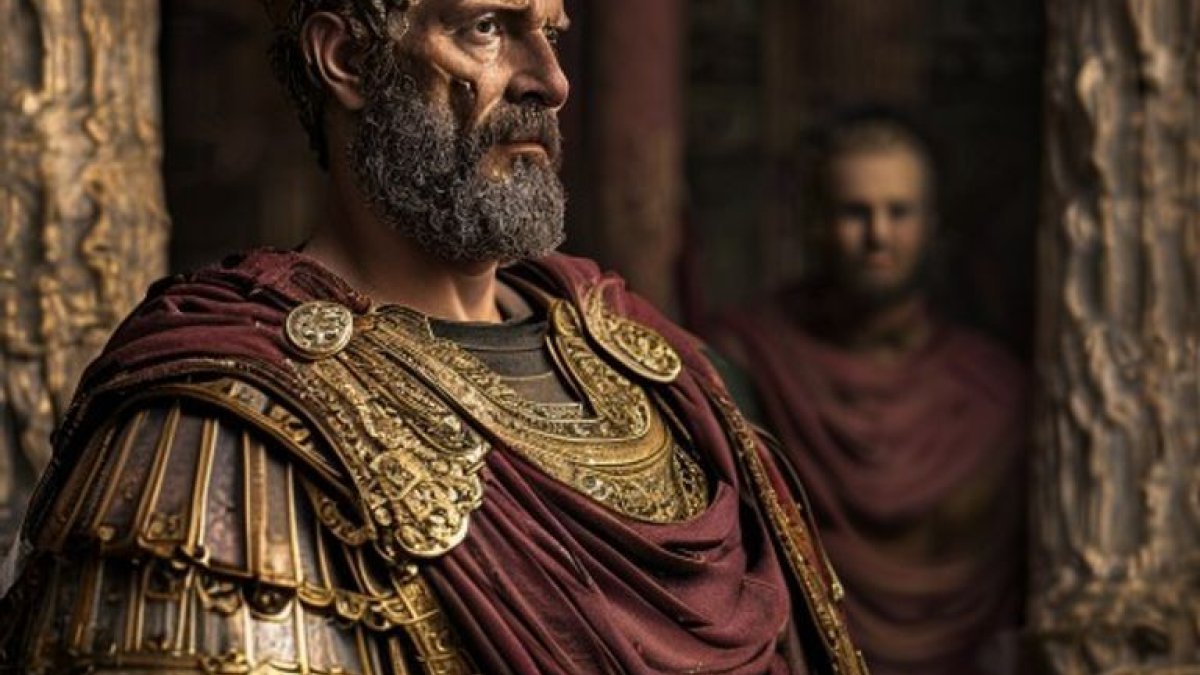
In the tumultuous twilight of the Western Roman Empire, amidst barbarian incursions and internal strife, a critical letter was dispatched from the imperial court in Ravenna that would forever alter the fate of a distant province: the famed Honorius’s Rescript Britain. Dated around 410 AD, this decree, often interpreted as Honorius telling the Britons to ‘look to their own defenses,’ marked a watershed moment. It was not a formal withdrawal of legions, which had largely occurred by necessity years prior, but rather an official acknowledgment of Rome’s inability to provide military assistance and, by extension, a cessation of direct imperial administration over Britain. This singular act severed the official ties that had bound Britannia to the Roman Empire for nearly four centuries, forcing the island’s Romano-British inhabitants to confront their future without the protective, yet increasingly distant, hand of Rome. The reverberations of this seemingly brief communication would set Britain on a path toward profound social and political transformation, ushering in the enigmatic era of sub-Roman Britain.
A Crumbling Empire: The Context of Honorius’s Rescript
By the early 5th century AD, the Western Roman Empire was under immense pressure. Alaric’s Visigoths were ravaging Italy, culminating in the Sack of Rome in 410 AD. Usurpers like Constantine III had drained legions from Britain and Gaul to support their own bids for power on the continent, leaving the island largely undefended. The official ‘departure’ of Roman troops was not a planned evacuation but a gradual, pragmatic redeployment to more critical fronts. Britain had become a low priority in an empire fighting for its very survival. It was against this backdrop of imperial collapse, military strain, and continental chaos that Emperor Honorius received an appeal from the Britons for aid. His response, the pivotal Honorius’s Rescript Britain, was less a strategic decision and more a desperate declaration of imperial impotence.
The Usurpation and Imperial Strain
The early 5th century saw a flurry of usurpers, many of whom originated from or passed through Britain. Magnus Maximus (late 4th century) and Constantine III (early 5th century) both stripped the province of its remaining garrisons to bolster their continental armies. When Constantine III was finally defeated by Honorius’s loyalists, Britain was left vulnerable to Saxon raids and Pictish incursions. The pleas from Britain to Honorius were thus a desperate cry for re-intervention, but the emperor, besieged in Ravenna and having just witnessed the sacking of his ancestral capital, simply did not have the resources to spare. His reply acknowledged this reality, implicitly granting the Britons autonomy by demanding self-reliance.
The Letter and Its Interpretation
The specific text of Honorius’s Rescript Britain is not directly preserved, but it is referenced by the Byzantine historian Zosimus, writing in the late 5th or early 6th century. Zosimus states that in 410 AD, Honorius wrote to the cities of Britain, exhorting them to ‘defend themselves.’ This simple phrase carries immense weight. It implies that the formal administrative and military ties between Rome and Britain were effectively severed. It was not a decree of independence, nor was it an order to abandon Roman customs. Instead, it was an imperial acknowledgment that Britain, long an integral part of the empire, was now beyond Rome’s immediate capacity to govern or protect. This ambiguity meant that while Roman law and identity persisted, the framework of imperial governance collapsed.
What the Rescript Signified
- Cessation of Military Aid: Rome could no longer send legions or fleets to protect Britain.
- Administrative Autonomy: The Roman provincial government structure (governors, civil servants) ceased to function, leaving local councils and leaders to take charge.
- Implicit Self-Governance: By telling them to defend themselves, Honorius inadvertently empowered the Britons to organize their own defense and governance.
- End of Taxation: While not explicitly stated, the withdrawal of administration likely meant the end of formal Roman taxation from Britain.
The rescript did not necessarily mean the end of a ‘Roman’ identity for the Britons, many of whom continued to see themselves as Roman and aspired to return to imperial rule. However, it marked the beginning of a truly independent, albeit precarious, future.
Britain After Rome: A New Era
The immediate aftermath of Honorius’s Rescript Britain plunged the island into a period known as Sub-Roman Britain, characterized by political fragmentation, increased raiding, and the gradual emergence of Anglo-Saxon kingdoms. Without the unifying structure of Roman administration and the deterrent of Roman legions, local strongmen and petty kings rose to power. The Romano-British elite, accustomed to Roman governance and culture, had to adapt rapidly to a new reality, often attempting to maintain Roman institutions and traditions in a localized context. Fortifications were repurposed, and a defensive, militarized society began to emerge.
Challenges and Transformations
The vacuum left by Rome’s official withdrawal created both opportunities and immense challenges:
- Saxon Incursions: Germanic tribes, particularly Saxons, Jutes, and Angles, intensified their raids and eventually began to settle, leading to widespread conflict and displacement.
- Rise of Local Leaders: Figures like Ambrosius Aurelianus and, perhaps, the historical King Arthur, emerged as military leaders attempting to organize resistance.
- Cultural Shift: While Roman culture persisted for a time, especially in urban centers, it gradually receded under the pressure of Germanic settlement and the breakdown of infrastructure.
- Economic Decline: The sophisticated Roman economic network, based on coinage and large-scale trade, diminished, replaced by more localized, agrarian economies.
Ultimately, Honorius’s Rescript Britain signaled not just the end of an imperial province but the beginning of a new chapter for Britain, one that would lay the foundations for the kingdoms and cultures of the early medieval period.
Frequently Asked Questions
What exactly was Honorius’s Rescript to Britain?
Honorius’s Rescript to Britain was a communication from the Roman Emperor Honorius, around 410 AD, informing the Britons that they should ‘look to their own defenses.’ It effectively signaled Rome’s inability to provide military assistance and its withdrawal of direct administrative control from the province of Britannia, due to pressing issues on the continent.
Why did Emperor Honorius issue this rescript?
Honorius issued the rescript because the Western Roman Empire was in a state of severe crisis. Alaric’s Visigoths had just sacked Rome, and imperial resources were stretched to their absolute limit fighting various usurpers and barbarian incursions in Italy and Gaul. Britain, having been stripped of its legions by previous usurpers, was simply no longer a priority for a struggling central government.
Did the rescript mean Britain immediately ceased to be ‘Roman’?
No, not immediately. While the rescript ended official Roman administrative and military ties, many Romano-Britons continued to identify as Roman and maintain Roman cultural practices, laws, and institutions at a local level for some time. However, without central imperial support, Roman identity gradually faded as local societies evolved and Germanic influences grew.
What were the immediate consequences for Britain after the rescript?
The immediate consequences included increased vulnerability to raids from Picts, Scots, and Saxon raiders, as well as political fragmentation. The Romano-British elite had to organize their own defenses and governance, leading to the rise of independent local leaders and the beginning of the Sub-Roman period, characterized by instability and adaptation.
Where is the original text of Honorius’s Rescript?
The original text of Honorius’s Rescript is not directly preserved. Our knowledge of it comes primarily from the account of the Byzantine historian Zosimus, who mentioned Honorius telling the Britons to ‘defend themselves’ in his ‘Historia Nova,’ written about a century after the event.