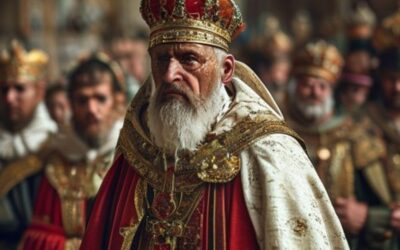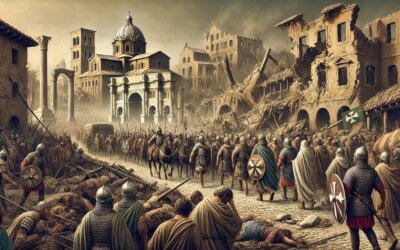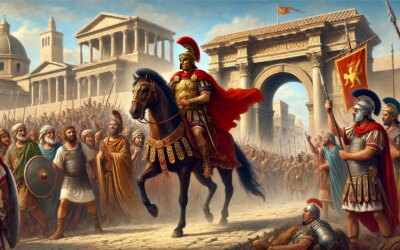
The Byzantine Empire in the late 11th century was a realm scarred by recent defeats, notably the Battle of Manzikert, which had seen much of Anatolia fall to the Seljuk Turks. The capital, Constantinople, felt increasingly vulnerable, prompting Emperor Alexios I Komnenos to appeal to the West for military aid. This plea unexpectedly ignited the First Crusade, an immense armed pilgrimage that arrived at the gates of Constantinople in 1096-1097. The first major military objective for this disparate force was the strategically vital city of Nicaea, a former Byzantine capital and now the stronghold of the Seljuk Sultanate of Rûm. The Siege of Nicaea 1097 was not merely a military confrontation; it was a complex interplay of Western martial fervor and sophisticated Byzantine diplomacy, setting a precedent for the often-strained relationship between the Crusaders and their imperial hosts throughout the long and arduous campaign to the Holy Land. This seminal event demonstrated both the potential and the inherent friction in the Byzantine-Crusader alliance, ultimately shaping the initial trajectory of the First Crusade.
The Strategic Importance of Nicaea
Nicaea (modern-day İznik, Turkey) held immense strategic and symbolic value. Once a significant Byzantine city, it had fallen to the Seljuk Turks in 1077 and became the capital of the newly established Sultanate of Rûm under Kilij Arslan I. For the Byzantines, its recapture was paramount to reasserting control over Anatolia and securing the approaches to Constantinople. For the Crusaders, Nicaea represented the first major obstacle on their path to Jerusalem. Its strong fortifications, including a double circuit of walls and over 100 towers, made it a formidable challenge, embodying the Seljuk resistance they would face.
Kilij Arslan’s Absence
Crucially, at the onset of the siege, Sultan Kilij Arslan I was away campaigning in eastern Anatolia against the Danishmends, underestimating the immediate threat posed by the arriving Crusader host. He had scattered his forces, believing the Crusaders were merely a collection of raiding parties rather than a unified army intent on a major conquest. This miscalculation would prove costly, as his absence allowed the Crusaders to establish a strong encirclement of Nicaea without facing the full might of his field army from the outset.
The Crusader Encirclement and Initial Assaults
The combined Crusader forces, numbering in the tens of thousands, began to arrive outside Nicaea in early May 1097. Leaders such as Godfrey of Bouillon, Raymond of Saint-Gilles, Bohemond of Taranto, and Robert Curthose divided the city’s walls among their contingents, initiating a thorough siege. The siege commenced with relentless attacks, including:
- Catapult Barrages: Heavy siege engines were constructed and deployed to batter the walls.
- Mining Operations: Attempts were made to undermine the fortifications, though with limited success against the strong defenses.
- Skirmishes and Probes: Constant pressure was applied to the defenders, exhausting their numbers and supplies.
The Seljuk garrison inside Nicaea, though outnumbered, fiercely resisted. They launched sorties and used archery to repel Crusader assaults, demonstrating their resolve. The Crusaders soon realized that a direct assault might be too costly without additional measures.
Byzantine Naval Intervention and Diplomatic Triumph
Despite the Crusader efforts, Nicaea’s lake-facing side remained open, allowing supplies and reinforcements to reach the besieged city via Lake Ascanius (modern-day Lake İznik). Emperor Alexios I Komnenos, recognizing this critical vulnerability and eager to minimize Crusader casualties while maximizing Byzantine gains, dispatched a fleet of boats, transported overland, to the lake. Commanded by General Manuel Boutoumites, these vessels effectively blockaded the lake route, sealing Nicaea’s fate.
Secret Negotiations
Simultaneously, Alexios engaged in shrewd, secret negotiations with the Seljuk garrison. He promised them safe passage and protection from the Crusaders if they surrendered the city to his forces. The Seljuks, facing starvation and the prospect of a brutal Crusader sack, agreed. On June 19, 1097, with the Crusaders poised for a final assault, the Byzantine banners were suddenly raised over Nicaea’s walls. This diplomatic coup stunned the Crusaders, who felt cheated of their expected plunder and glory, but for Alexios, it secured a vital city for his empire with minimal loss of life and solidified Byzantine claims.
Aftermath and Implications for the First Crusade
The capture of Nicaea was a major victory, largely due to the combined efforts, however uneasy, of the Crusaders and Byzantines. For the Byzantines, it was a tangible success, restoring a strategic city and bolstering imperial prestige. For the Crusaders, it provided their first significant triumph and cleared the initial hurdle on their march eastward. However, the manner of Nicaea’s surrender sowed deep mistrust between the Western and Eastern allies. The Crusaders felt that Alexios had denied them their rightful spoils of war, fueling suspicions that would plague their future cooperation.
A Path Forward, Divided
This event underscored the divergent goals of the two parties: the Byzantines sought to reclaim lost territory and reassert imperial authority, while the Crusaders were driven by religious fervor and the promise of land and riches. Despite the friction, the Siege of Nicaea 1097 proved that cooperation could achieve significant military objectives. The Crusaders, having sworn oaths to return conquered Byzantine territory to the Emperor, proceeded deeper into Anatolia, their path now open, but their relationship with Byzantium irrevocably complicated.
Frequently Asked Questions
Who was the Seljuk leader during the Siege of Nicaea 1097?
The Seljuk Sultan of Rûm during the Siege of Nicaea in 1097 was Kilij Arslan I. He was unfortunately campaigning against the Danishmends in eastern Anatolia when the Crusaders arrived, leading to his underestimation of the threat.
Why was Nicaea so important to both the Byzantines and the Seljuks?
Nicaea was important because of its strategic location as a major crossroads in Anatolia and its strong fortifications. For the Byzantines, it was a former capital and key to securing their borders. For the Seljuks, it was the capital of their Sultanate of Rûm, symbolizing their control over a significant portion of Anatolia.
How did Emperor Alexios I Komnenos contribute to the fall of Nicaea?
Emperor Alexios I Komnenos contributed significantly by sending a Byzantine fleet to blockade Nicaea’s access via Lake Ascanius, cutting off the city’s last supply route. He also engaged in secret negotiations with the Seljuk garrison, offering them safe passage in exchange for surrendering the city directly to the Byzantines, rather than the Crusaders.
What was the main source of tension between the Byzantines and the Crusaders after Nicaea’s capture?
The main source of tension was the Crusaders’ feeling that they had been cheated out of the city’s spoils. They had done most of the fighting and expected to plunder Nicaea, but Alexios’s diplomatic takeover meant the city’s wealth and control reverted to Byzantium, leading to accusations of betrayal and undermining trust.