In the tumultuous landscape of the late Roman Empire, the year 376 AD marked a pivotal moment when Emperor Valens, ruler of the Eastern Roman Empire, made a decision that would reverberate through the annals of history: the massive Gothic resettlement in Thrace. Facing immense pressure from the Huns pushing into their traditional territories north of the Danube, the Tervingi Goths, led by Fritigern and Alavivus, appealed to Valens for asylum within Roman borders. This unprecedented influx of an entire people, granted under the pretense of providing new land and protection in exchange for military service, was intended by Valens to replenish Rome’s depleted legions and integrate a potent fighting force. However, the sheer scale of the migration, coupled with profound administrative failures and rampant corruption on the Roman side, transformed a calculated strategic move into a catastrophic humanitarian crisis and an existential threat to the empire. The handling of this Gothic resettlement in Thrace quickly escalated tensions, ultimately leading to one of Rome’s most devastating military defeats and signaling a profound shift in the balance of power between the Romans and the so-called ‘barbarian’ peoples.
The Goths on the Danube: A Crisis Unfolds
By the mid-4th century AD, the vast steppes of Eastern Europe were in flux, dramatically reshaped by the westward migration of the Huns. This formidable new power drove various Germanic tribes, including the Tervingi Goths, towards the Roman frontier. Having previously engaged in both conflict and commerce with the Romans along the Danube, the Goths found themselves in an untenable position, caught between the Huns and the fortified Roman border. Desperate for survival, their leaders, Fritigern and Alavivus, dispatched envoys to Emperor Valens in Constantinople, pleading for permission to cross the Danube and settle within Roman territory. They promised loyalty, military service, and a willingness to adopt Roman customs, offering their formidable warriors as potential recruits for the imperial army, which was constantly in need of manpower to guard its expansive borders.
Valens’ Strategic Gamble: Opening the Gates
Emperor Valens, facing his own set of challenges, particularly with the Sasanian Persian Empire in the East, saw the Gothic appeal as a potential solution to multiple problems. Integrating a large population of Goths could:
- Provide a new tax base and a source of agricultural labor.
- Offer a substantial reserve of trained soldiers to reinforce his armies without the high cost of recruitment and training.
- Neutralize a potential enemy on his northern border by bringing them under Roman control.
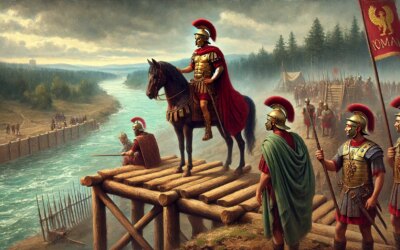
Thus, Valens granted permission for the Tervingi to cross the Danube into Thrace, albeit with strict conditions. These included disarming upon entry, settling in designated areas, and providing male Goths for military service. The sheer scale of the undertaking, however, involving hundreds of thousands of people, far exceeded Roman logistical capabilities and administrative foresight, turning a strategic gamble into a monumental logistical nightmare.
The Fiasco of Resettlement: Corruption and Starvation
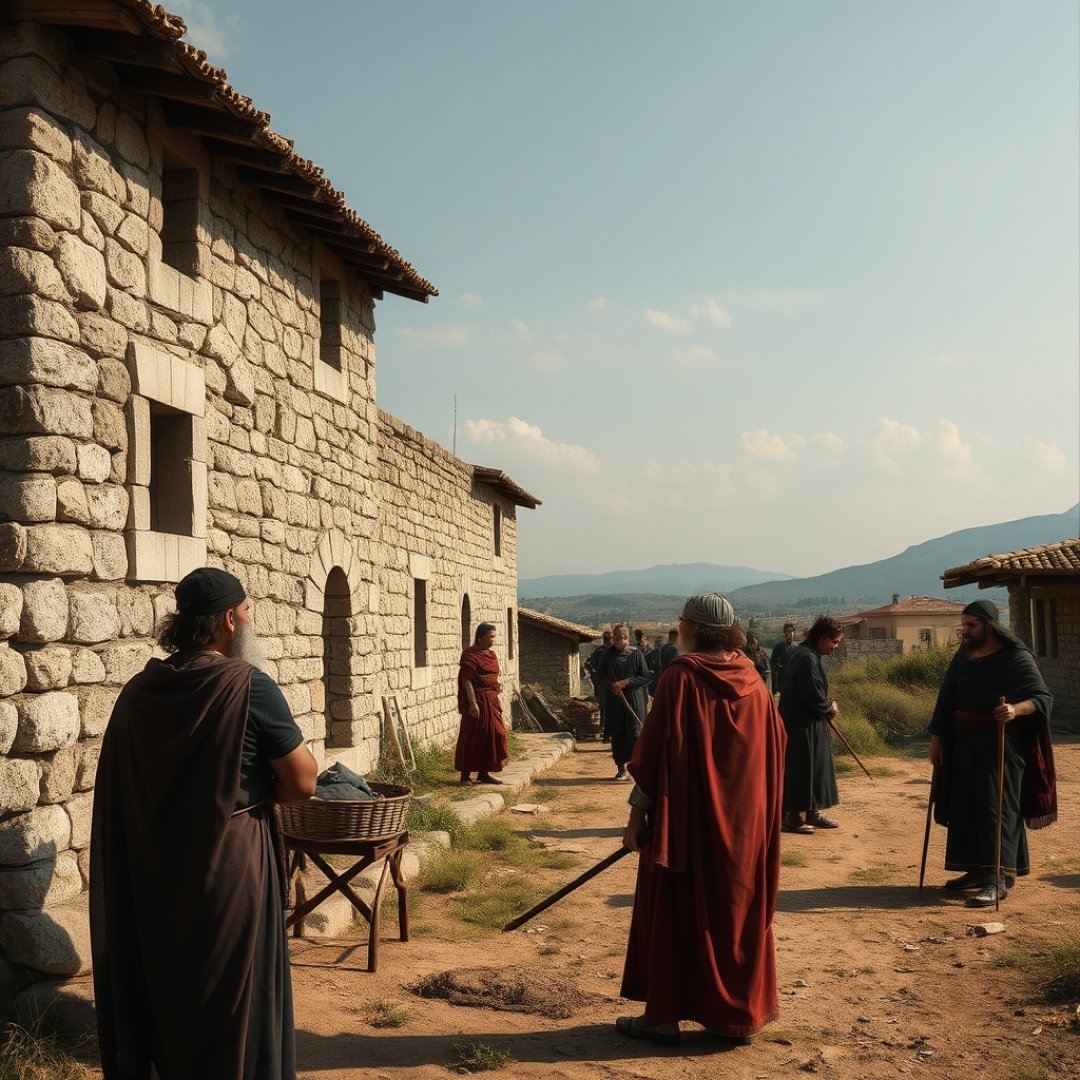
The implementation of the Gothic resettlement was disastrously mismanaged, sowing seeds of resentment and rebellion almost immediately. Roman officials, notably Count Lupicinus and Maximus, were tasked with overseeing the process. Instead of providing the promised food and resources, they exploited the Goths’ dire situation. The newly arrived Goths, disarmed and confined, soon faced widespread starvation. Roman administrators engaged in rampant corruption, hoarding supplies and selling meager rations at exorbitant prices, often in exchange for Gothic children who were then sold into slavery. The Goths were forced to trade their valuables, and even their own family members, for survival. This brutal treatment, combined with a lack of proper housing and the breakdown of all promises made, created an explosive atmosphere of desperation and anger among a proud and powerful people.
The Escalation to Conflict
The breaking point came when Fritigern, a Gothic leader, along with Alavivus, was invited to a banquet by Lupicinus near Marcianople. While the leaders were inside, Roman soldiers attempted to disarm the Goths accompanying them, leading to a violent clash. Fritigern and Alavivus managed to escape the trap and rallied their starving and enraged people. The Goths, no longer bound by any agreements, began to plunder the Thracian countryside for food and retribution. This marked the beginning of open warfare between the Goths and the Eastern Roman Empire, a conflict that would culminate just two years later in the devastating Battle of Adrianople in 378 AD, forever altering the course of Roman history.
Lasting Repercussions and the Fall of the West
The immediate consequence of the failed Gothic resettlement in Thrace was the outbreak of the Gothic War (376–382 AD), which saw the Goths ravage large swathes of the Balkans. The war reached its tragic crescendo at the Battle of Adrianople in 378 AD, where Emperor Valens himself was killed, and a significant portion of the Eastern Roman army was annihilated. This defeat was not merely a military loss; it was a profound psychological blow, demonstrating Rome’s vulnerability to barbarian forces operating within its own territory. In the long term, the event fundamentally changed Roman policy towards barbarians. Instead of outright conquest or forced assimilation, subsequent emperors often resorted to federated treaties (foedera), allowing barbarian groups to settle within the empire as autonomous entities, often serving as military allies but retaining their own laws and leaders. This policy, while pragmatic, gradually eroded Roman authority and contributed to the fragmentation and eventual collapse of the Western Roman Empire.
Frequently Asked Questions
Why did the Goths seek refuge within the Roman Empire in 376 AD?
The Goths, specifically the Tervingi, were fleeing the advance of the Huns, a formidable nomadic people who were pushing westward into Gothic territories north of the Danube River. They sought protection and new lands within the Roman Empire.
What was Emperor Valens’ primary motivation for allowing the Gothic resettlement in Thrace?
Valens saw the Gothic resettlement as a strategic opportunity to replenish the Eastern Roman army with a large number of experienced warriors. He also hoped to gain a new tax base and stabilize a volatile frontier by integrating the Goths into the empire’s social and economic structure.
How did the Roman administration mishandle the resettlement process?
The Roman administration was plagued by incompetence and corruption. Officials like Count Lupicinus exploited the Goths, hoarding food, selling meager rations at inflated prices, and even trading Gothic children into slavery. This treatment led to widespread starvation and profound resentment among the Goths.
What immediate consequences arose from the failed Gothic resettlement?
The immediate consequences included open rebellion by the Goths, who began to plunder the Thracian countryside. This quickly escalated into the Gothic War, which culminated in the catastrophic Battle of Adrianople in 378 AD, where Emperor Valens and a large part of his army were killed.
How did this event contribute to the long-term decline of the Western Roman Empire?
The Gothic resettlement and the subsequent Battle of Adrianople exposed Rome’s vulnerabilities and led to a shift in imperial policy. Rome increasingly relied on ‘federated’ barbarian groups within its borders, weakening central authority and contributing to the eventual fragmentation and collapse of the Western Roman Empire in the following centuries.