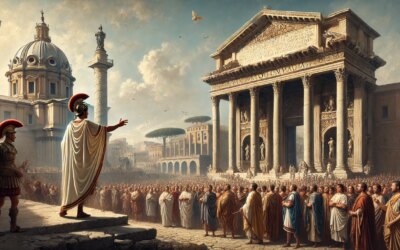
In the heart of the bustling Roman Empire, amidst a landscape already rich with monumental achievements, the dedication of Trajan’s Baths AD 109 marked a new zenith in imperial patronage and architectural ambition. Completed under the watchful eye of Emperor Trajan, this colossal complex wasn’t merely a place for washing; it was a sprawling urban park designed to cater to the body, mind, and spirit of Rome’s populace, setting a new standard for public amenities across the Roman world. Its innovative design, strategic location over the former site of Nero’s Domus Aurea, and sheer scale reflected Trajan’s vision of himself as the ‘Optimus Princeps’ – the Best Ruler – dedicated to the welfare of his citizens. More than just an engineering marvel, these baths quickly became a vibrant social hub, demonstrating the intricate connection between imperial power, public welfare, and the daily lives of Romans, from senators to ordinary citizens.
Architectural Innovation and Grandeur
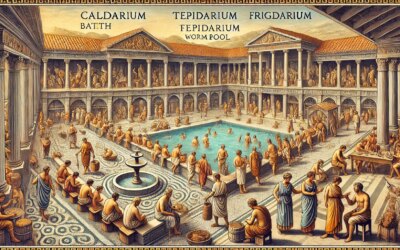
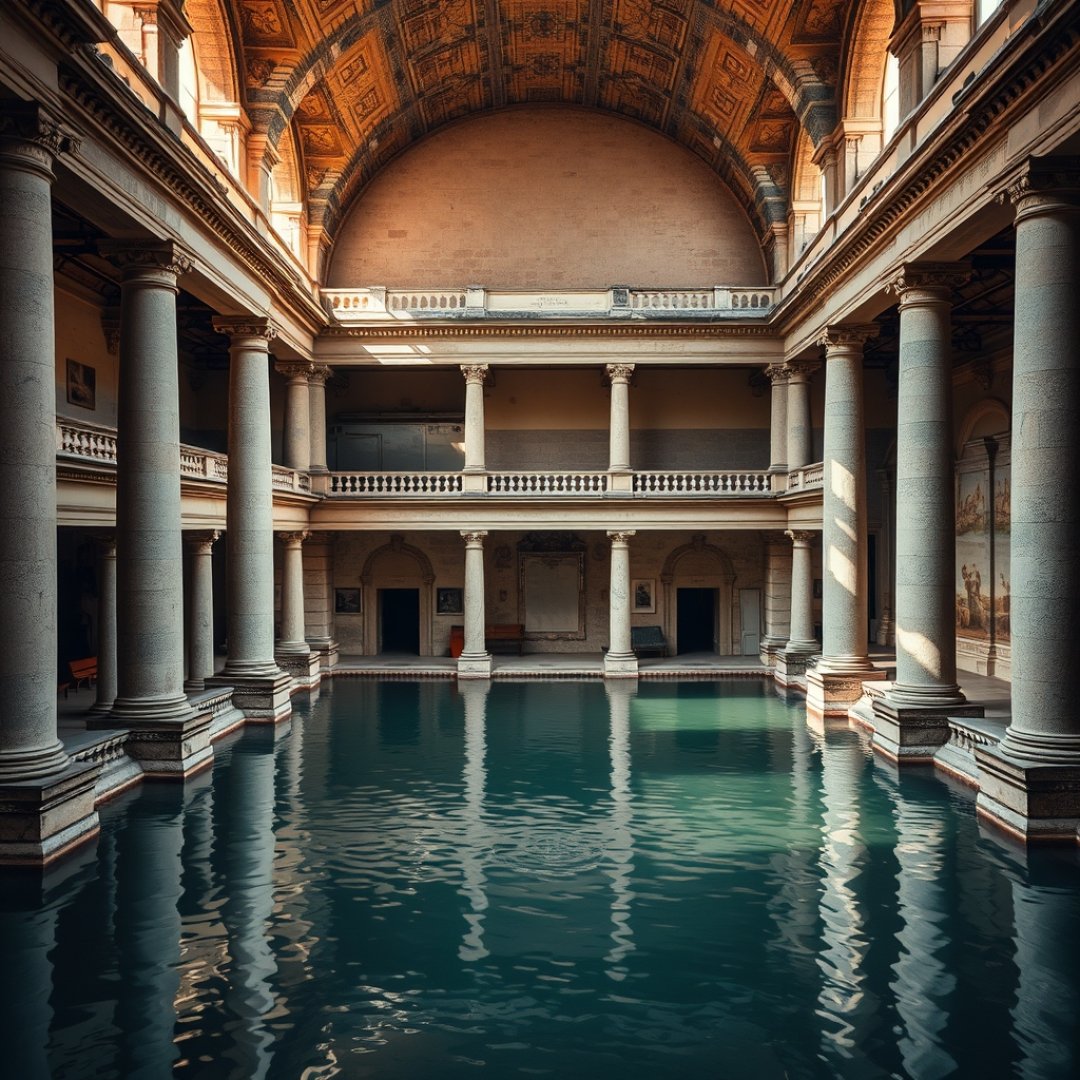
Designed by Trajan’s master architect, Apollodorus of Damascus, the Baths of Trajan represented a profound leap forward in Roman bath design. Unlike earlier bath complexes, such as the Baths of Agrippa or those of Titus which they partially replaced, Trajan’s Baths were built on an unprecedented scale and incorporated several architectural innovations. Utilizing Roman concrete and sophisticated vaulting techniques, Apollodorus created vast, airy spaces, bathed in natural light, a stark contrast to the often darker, more confined structures that preceded them. The central block, containing the frigidarium (cold bath), tepidarium (warm bath), and caldarium (hot bath), was oriented to maximize solar heating, demonstrating a keen understanding of passive energy design. Beyond the bathing halls, the complex boasted expansive palaestrae for exercise, beautifully landscaped gardens, and even underground service tunnels, a testament to Rome’s engineering prowess.
A Hub of Roman Social Life
The significance of Trajan’s Baths extended far beyond their function as a hygienic facility; they were integral to the social fabric of Roman life. Open to all citizens for a nominal fee, or often free, the baths served as a daily gathering place where people could:
- Exercise: Engage in wrestling, running, and other physical activities in the palaestrae.
- Relax: Enjoy the various temperature baths, massages, and communal pools.
- Socialize: Conduct business, catch up on gossip, or simply meet friends.
- Learn: Access public libraries, which were often part of larger bath complexes, offering both Greek and Latin texts.
- Appreciate Art: Admire the numerous statues, mosaics, and frescoes that adorned the halls and courtyards.
This multifunctional nature transformed the baths into a true leisure complex, a microcosm of Roman urban existence where class distinctions often blurred, at least within the confines of the steam and water. The provision of such extensive and lavish facilities underscored the emperor’s commitment to public welfare and served as a powerful symbol of imperial beneficence.
Enduring Legacy and Influence
Although much of the Baths of Trajan lies in ruin today, its impact on subsequent Roman architecture and urban planning was immense. Its innovative layout, with the monumental central block surrounded by symmetrical courtyards and peripheral rooms, became the blueprint for all great imperial baths that followed, including the Baths of Caracalla and Diocletian. The design principles, particularly the use of grand vaulted spaces and the integration of natural light, influenced public buildings for centuries. After the fall of the Western Roman Empire, the baths, like many other ancient structures, fell into disuse. Parts were plundered for building materials, while others became overgrown, slowly returning to the earth. However, their foundations and surviving fragments continue to offer invaluable insights into Roman engineering, societal values, and the impressive scale of imperial ambition.
Frequently Asked Questions
What was the primary purpose of Trajan’s Baths?
While providing facilities for bathing and hygiene, Trajan’s Baths served as a comprehensive public leisure complex. It offered spaces for exercise, socializing, learning (through libraries), and enjoying art, embodying a holistic approach to Roman public welfare.
Who was the architect behind the Baths of Trajan?
The Baths of Trajan were designed by Apollodorus of Damascus, Emperor Trajan’s celebrated architect, who was also responsible for other major projects like Trajan’s Forum and Trajan’s Column.
How did Trajan’s Baths differ from earlier Roman bath complexes?
Trajan’s Baths were significantly larger and more architecturally advanced than their predecessors. They introduced a more integrated layout with a monumental central block, utilized innovative concrete vaulting, and were oriented to maximize natural light and solar heating, setting a new standard for imperial bath design.
Were the Baths of Trajan accessible to all Roman citizens?
Yes, like most imperial baths, Trajan’s Baths were intended for public use and were accessible to all Roman citizens, including men and women (though often at different times or in separate sections), for a very low fee or sometimes even free.
What happened to the Baths of Trajan after the Roman Empire?
Following the decline of the Western Roman Empire, the Baths of Trajan gradually fell into disuse and ruin. They were eventually stripped of their precious materials, and parts of the structure were built over or collapsed, though significant foundations and fragments remain today.