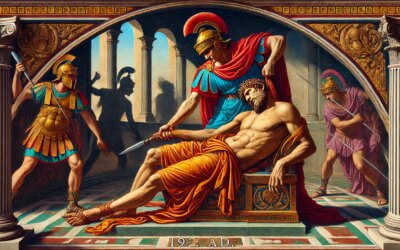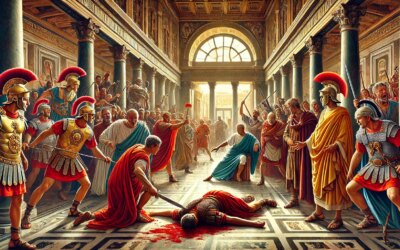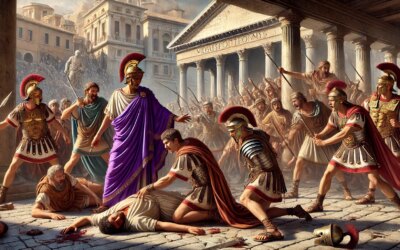
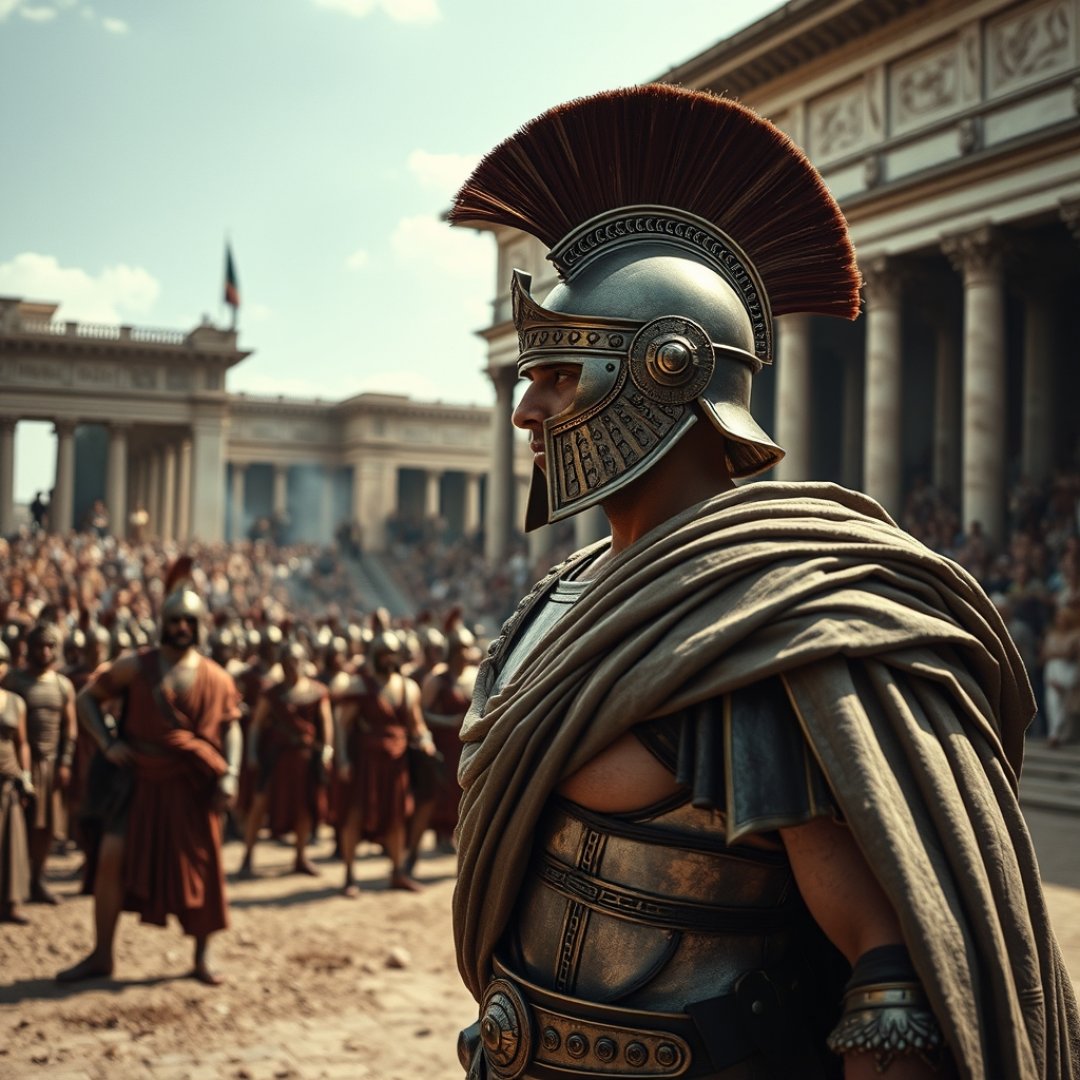
The reign of Emperor Commodus, spanning from AD 180 to 192, is often remembered for its instability, paranoia, and the emperor’s increasingly bizarre behavior. Among his most infamous acts was his personal participation in the gladiatorial arena, a practice that fundamentally shocked the Roman elite and the public alike. Around AD 184, and throughout the latter part of his rule, Commodus embraced the role of a gladiator, viewing himself as a divine Hercules reborn. These Commodus gladiatorial shows were not mere exhibitions; they were carefully orchestrated spectacles where the emperor, clad in lion’s skin and wielding a club, descended into the arena to fight against beasts and sometimes even crippled gladiators. This profound departure from traditional imperial decorum marked a significant decline in the prestige of the principate, foreshadowing the turbulent era that would follow his assassination.
The Imperial Performer: Commodus’s Descent into the Arena
Commodus’s fascination with the arena was not merely a passing interest; it became a central, disturbing feature of his reign. From around AD 184 onwards, he increasingly indulged in public performances as a gladiator, often styling himself as Hercules. He wore the Nemean lion’s skin and carried a club, mirroring the mythical hero. This obsession stemmed from a deep-seated desire for personal glory and a perceived connection to the divine, believing himself a god and a re-incarnation of Hercules, the son of Jupiter.
Unlike emperors who might sponsor games or even make a ceremonial appearance, Commodus actively participated. He trained with gladiators at the imperial school, perfecting his craft. His chosen weapon was typically a sword or a bow, and he would frequently hunt wild animals, including lions, elephants, and giraffes, in the arena. The number of animals he claimed to have slain was staggering, reaching thousands, all carefully recorded for posterity, or rather, for his own vanity.
The Emperor as Secutor
While he sometimes fought against actual gladiators, these contests were often rigged. Opponents were typically disarmed or crippled beforehand, ensuring Commodus’s easy victory. The Roman historian Cassius Dio, who witnessed some of these spectacles, recounts with palpable disgust the emperor’s appearances. Dio noted how Commodus would meticulously count his “victories” and demand enormous fees for his performances, drawing from the public treasury, further exacerbating the financial strain on the empire.
Spectacle and Scandal: The Roman Public’s Reaction
The Roman populace and, more significantly, the Senate reacted to Commodus’s arena performances with a mixture of awe, horror, and profound embarrassment. For the common people, there was a certain novelty and thrill in seeing their emperor, a living god, engage in the sport. However, even for them, the act was seen as highly inappropriate for the supreme ruler of the Roman world, a figure expected to uphold the gravitas and dignity of the empire.
For the senatorial class and the aristocratic elite, Commodus’s actions were nothing short of a debasement of the imperial office. The emperor was supposed to be above such vulgar displays, a military commander, a statesman, a philosopher-king, not a performer. His insistence on fighting, especially against inferior opponents, was seen as a grave insult to Roman traditions and the very concept of imperial dignity. It signaled a profound breakdown of established social order and imperial decorum.
Economic Drain and Political Humiliation
- Financial Extravagance: The games were incredibly expensive, draining the imperial coffers. Commodus demanded exorbitant fees for each appearance, further depleting state resources already strained by military campaigns and other imperial expenses.
- Social Transgression: Gladiators occupied a low status in Roman society, often slaves, condemned criminals, or volunteers from the fringes. An emperor aligning himself with such a class was an unimaginable transgression.
- Public Humiliation of the Senate: Senators were often compelled to attend these spectacles, forced to cheer and praise Commodus’s “victories,” enduring immense humiliation as their emperor paraded in the arena.
A Legacy of Debasement: Commodus and Imperial Prestige
Commodus’s gladiatorial displays contributed significantly to the erosion of his authority and, ultimately, to his downfall. His erratic behavior, coupled with the executions of perceived enemies and his self-aggrandizement, painted a picture of a tyrannical and unstable ruler. The imperial office, which had been painstakingly built upon principles of duty, honor, and a degree of republican facade, was now being openly ridiculed by its occupant.
His reign, and particularly his arena antics, served as a stark contrast to his father, Marcus Aurelius, the philosopher emperor. This stark difference fueled resentment and solidified the perception that Commodus was unfit to rule. The events around AD 184 and beyond, where he was increasingly absorbed by these performances, marked a turning point, accelerating the conspiracies that would eventually lead to his assassination on December 31, AD 192.
Impact on the Principate
The legacy of Commodus’s gladiatorial shows extended beyond his reign. It served as a cautionary tale for future emperors and highlighted the fragility of imperial power when divorced from traditional expectations of leadership. While the Severan dynasty that followed would attempt to restore a semblance of order and military discipline, the image of the emperor as a degraded performer lingered, contributing to the instability and political turmoil of the subsequent “Crisis of the Third Century.” His reign emphasized how much the stability of the Empire rested on the character and perceived legitimacy of its ruler, a legitimacy Commodus willingly squandered in the dust of the arena.
Frequently Asked Questions
Why did Emperor Commodus choose to participate in gladiatorial shows?
Commodus was driven by a profound fascination with gladiatorial combat, a desire for personal glory, and a belief that he was the divine reincarnation of Hercules. He sought to emulate the hero’s strength and prowess in the arena.
Was it common for Roman emperors to engage in gladiatorial combat?
No, it was extremely rare and considered highly improper. Emperors were expected to maintain imperial dignity and preside over games, not actively participate as performers, who held a low social status in Roman society.
How did the Roman Senate and public react to Commodus’s gladiatorial displays?
The Roman Senate viewed Commodus’s participation with disgust and humiliation, seeing it as a debasement of the imperial office. The public, while sometimes entertained, also generally regarded it as inappropriate for an emperor.
What kind of opponents did Commodus typically face in his arena performances?
Commodus often fought against wild animals, claiming to have slain thousands. When he faced human opponents, they were usually disarmed, crippled, or otherwise disadvantaged to ensure his “victory,” making the contests largely rigged spectacles.