In the early years of Emperor Trajan’s reign, the Roman Empire found itself embroiled in a formidable conflict with the powerful Dacian kingdom, led by the astute King Decebalus. The First Dacian War (AD 101-102) was a brutal and costly campaign, showcasing Rome’s military might but also the fierce resistance of its northern adversary. Following significant Roman victories that pushed Decebalus to the brink, a temporary resolution was sought, culminating in the crucial Treaty Decebalus 102 AD. This agreement, rather than signifying an outright annexation, marked a strategic pause for Rome, allowing Trajan to consolidate his forces and cement the empire’s dominance over Dacia, albeit for a fleeting period, before the ultimate conquest that would follow.
The First Dacian War and Rome’s Strategic Imperative
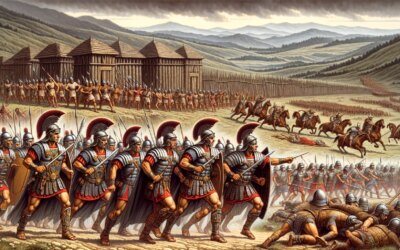
Trajan ascended to the imperial throne with a clear understanding of the ongoing threat posed by the Dacian kingdom to the Roman province of Moesia. Beyond military security, the vast gold mines of Dacia also presented an enticing economic prospect. The initial campaigns of AD 101-102 were characterized by relentless Roman advances and several decisive battles, which severely weakened Decebalus’s position. Despite these successes, the sheer logistical demands of prolonged warfare in hostile territory and the need to consolidate newly secured regions meant that an immediate, total conquest was not Trajan’s preferred option. Instead, a peace agreement, such as the Treaty Decebalus 102 AD, was seen as a pragmatic and strategic step, allowing Rome to assert control without overextending its resources prematurely.
The Humiliating Terms Imposed on Decebalus
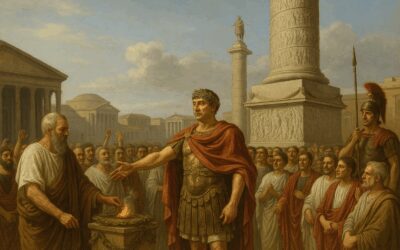
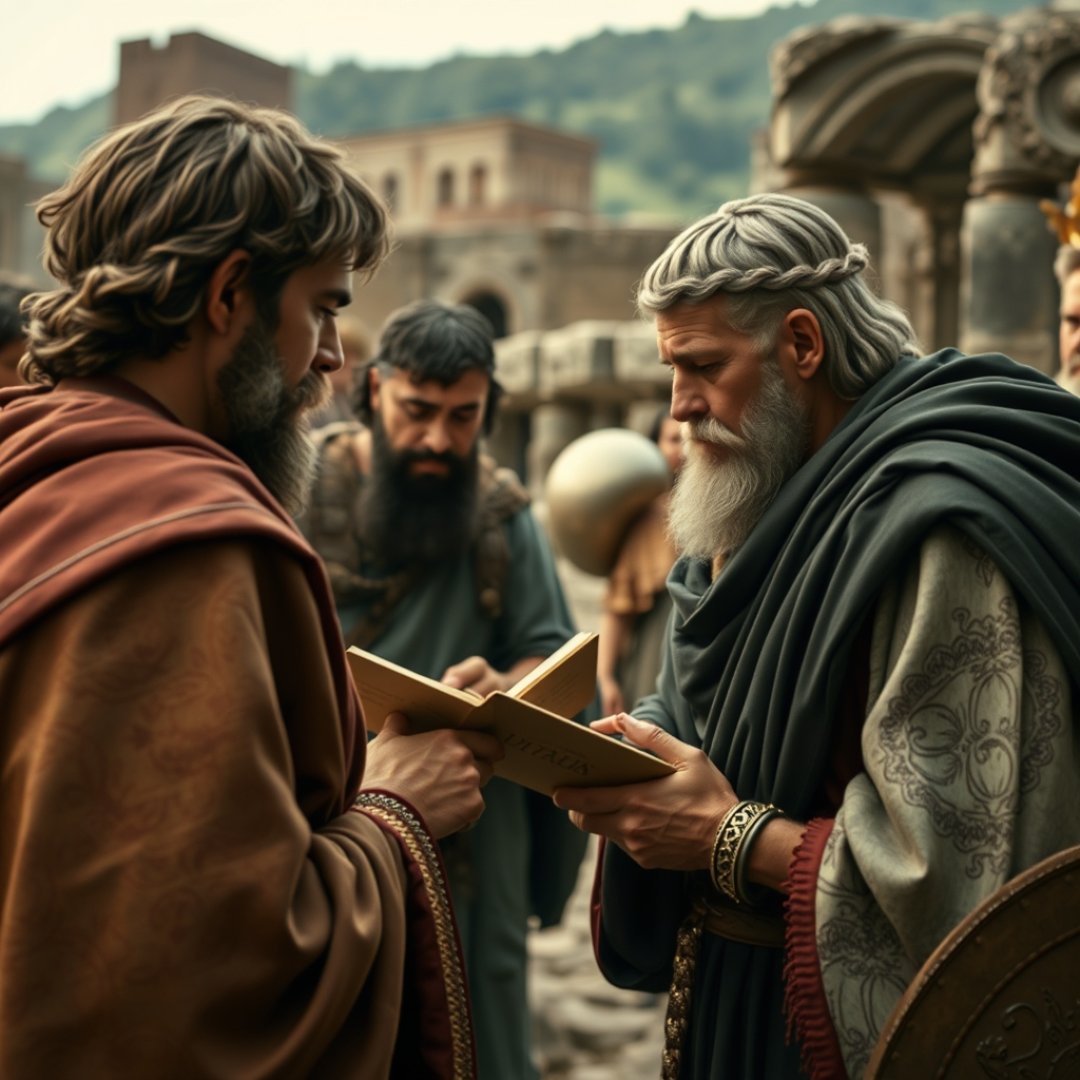
The terms of the Treaty Decebalus 102 AD were overtly punitive, designed to cripple Dacian military capability and subordinate its foreign policy entirely to Rome. Decebalus, facing overwhelming Roman strength, had no choice but to accept conditions that were deeply humiliating for his kingdom. Key provisions of the treaty included:
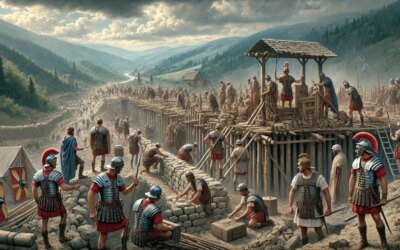
- The mandatory demolition of all Dacian fortifications, with the exception of specific structures deemed useful for Roman military control.
- The surrender of significant Dacian territory along the Danube, directly benefiting Roman provincial security.
- The immediate return of all Roman prisoners of war and any deserters who had joined Decebalus.
- A strict prohibition on Dacia engaging in independent foreign policy or forming alliances without Roman approval.
- The acceptance of a permanent Roman garrison stationed within the Dacian capital of Sarmizegetusa Regia.
- Dacia officially became a client kingdom, obligated to provide military aid to Rome whenever required.
For the Romans, this was a clear demonstration of their supremacy and a means to extract resources while ensuring future compliance.
A Brief Respite: Decebalus’s Defiance and Trajan’s Resolve
Despite the harshness of its terms, the peace established by the Treaty Decebalus 102 AD proved to be exceptionally fragile and short-lived. King Decebalus, a leader of immense pride and strategic cunning, viewed the stipulations as an intolerable affront to Dacian sovereignty. Almost immediately following the signing of the treaty, he covertly began violating its provisions. Reports reached Rome of Dacian efforts to rebuild fortifications, acquire new weaponry, and forge alliances with other barbarian tribes along Rome’s frontiers, all without imperial consent. Trajan, ever vigilant and determined to resolve the Dacian ‘problem’ permanently, was well aware of these clandestine activities. This brief period of uneasy peace, which lasted approximately three years until AD 105, served as a crucial interlude, allowing Rome to reinforce its gains and meticulously plan for what would become the decisive Second Dacian War, ultimately leading to Dacia’s full annexation into the Roman Empire.
Frequently Asked Questions
Who was King Decebalus?
Decebalus was the last king of Dacia, celebrated for his exceptional military and diplomatic skills in resisting the expansion of the Roman Empire during the late 1st and early 2nd centuries AD.
What were the key provisions of the Treaty Decebalus 102 AD?
The treaty compelled Dacia to surrender territory, demolish fortifications, return Roman prisoners, accept a Roman garrison in its capital, and become a Roman client state with no independent foreign policy.
Why did Trajan agree to a peace treaty instead of immediate annexation of Dacia?
After the demanding First Dacian War, Trajan likely sought a temporary peace to consolidate Roman gains, resupply his legions, and strategically prepare for a more comprehensive and definitive conquest of Dacia in the near future.
How long did the peace established by the Treaty Decebalus 102 AD last?
The peace was short-lived, lasting approximately three years. Decebalus’s violations of the treaty terms soon prompted Trajan to launch the Second Dacian War in AD 105, which resulted in Dacia’s full annexation.