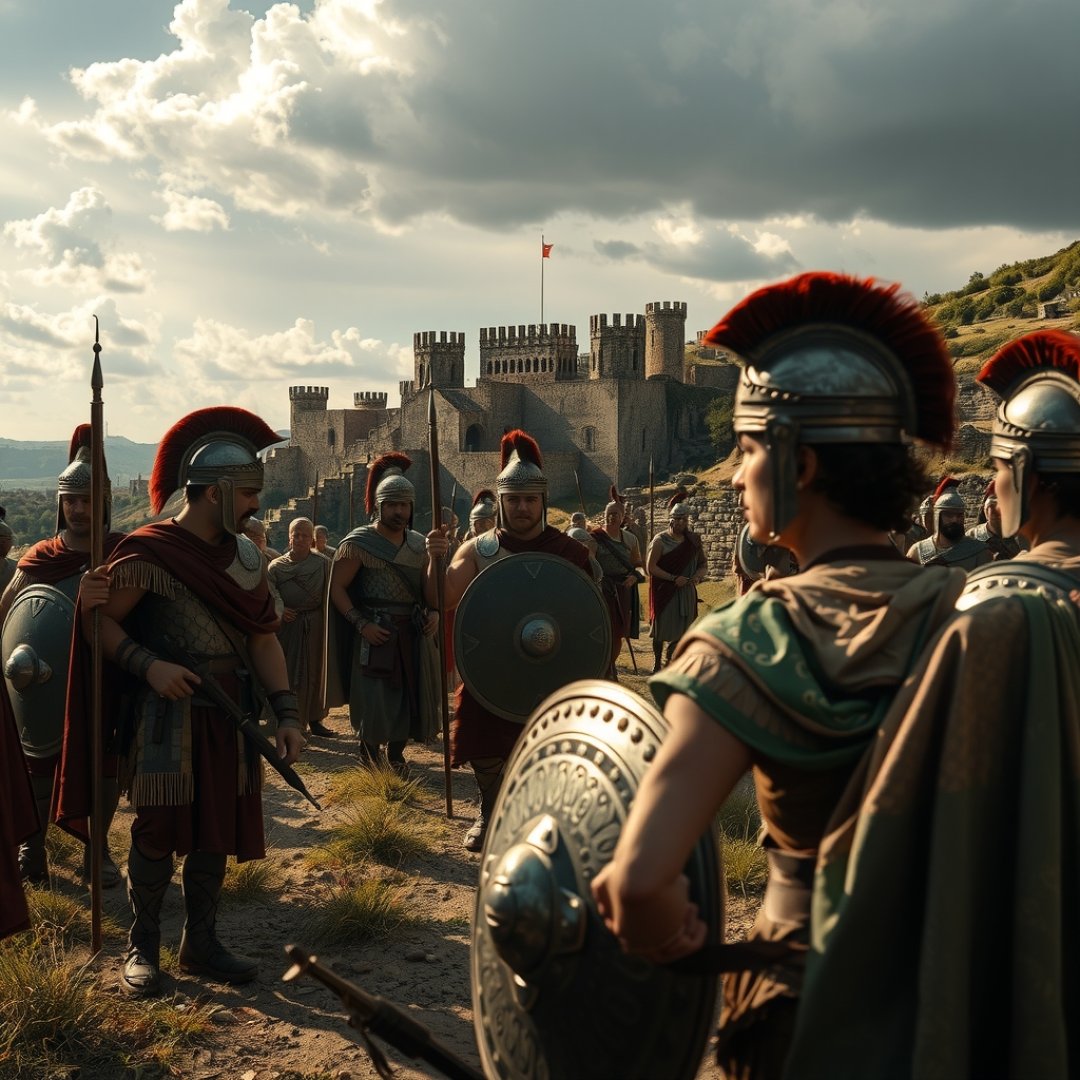
In the fraught early years of the Roman Empire, just as Augustus was consolidating his power and establishing the Pax Romana, a massive and devastating uprising erupted in the Balkans. Known as the Great Illyrian Revolt, this conflict, which raged from AD 6 to AD 9, posed one of the gravest threats to Roman stability during Augustus’s long reign. Far from a minor provincial disturbance, this was a full-scale rebellion involving hundreds of thousands of combatants and demanding an unprecedented mobilization of Roman military might, diverting crucial resources and attention from other frontiers, most notably Germania. Its suppression required the direct intervention of Tiberius, Augustus’s adopted son and future successor, who commanded an army of astounding proportions for three grueling years across difficult terrain, demonstrating both the brutal effectiveness of the Roman military machine and the immense cost of imperial control.
Seeds of Rebellion: Roman Rule and Local Grievances
The provinces of Pannonia and Dalmatia, collectively known as Illyricum, were vital to Roman strategic interests, serving as a buffer against Germanic tribes and a recruiting ground for soldiers. However, Roman administration was often heavy-handed and exploitative. The local Pannonian and Dalmatian tribes chafed under a regime of severe taxation, forced conscription into the auxiliary forces, and the appropriation of their lands and resources. Adding to the grievances, Roman governors often treated the indigenous populations with disdain, fueling widespread resentment. By AD 6, the cumulative pressure became unbearable, igniting a widespread and coordinated rebellion. Two main leaders emerged: Bato the Daesitiate in Dalmatia and Bato the Breucian in Pannonia, uniting disparate tribes into a formidable resistance.
Tiberius’s Herculean Task: Mobilizing the Imperial Army
An Unprecedented Military Response
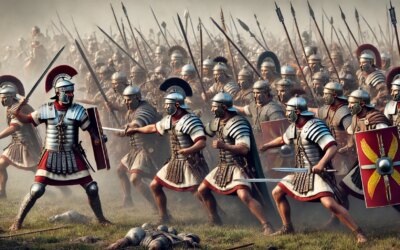
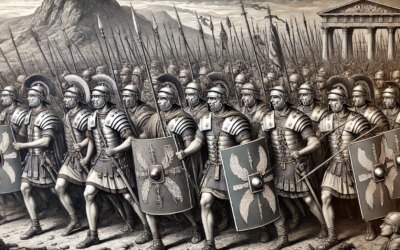
The scale of the Great Illyrian Revolt caught Rome by surprise. Initial Roman forces were quickly overwhelmed, and the rebels even threatened Italy itself. Augustus was forced to recall Tiberius, who was campaigning in Germania, to address the crisis. Tiberius embarked on a monumental military campaign, gathering an enormous army that, at its peak, reportedly comprised 15 legions and an equal number of auxiliary forces – nearly half of Rome’s entire military establishment. This force, numbering potentially 200,000 men, was the largest ever assembled by Rome for a single conflict outside of major civil wars.
- Strategic Challenges: The campaign was hindered by the rugged, mountainous terrain of Illyricum, which favored guerrilla warfare and made large-scale Roman maneuvers difficult.
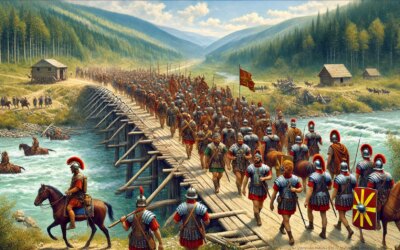
- Logistical Nightmare: Supplying such a vast army in a hostile environment over several years presented immense logistical challenges.
- Fierce Resistance: The Illyrian rebels, fighting for their freedom, proved to be highly motivated and skilled adversaries, inflicting heavy casualties on the Roman legions.
Tiberius, alongside his nephew Germanicus, systematically suppressed the revolt through a combination of attrition, scorched-earth tactics, and patient campaigning. The war was brutal and protracted, testing the limits of Roman military endurance and leadership.
A Brutal End and Lasting Consequences for Illyricum
By AD 9, after three years of relentless fighting, the Great Illyrian Revolt was finally crushed. Bato the Breucian surrendered first, followed by Bato the Daesitiate, who was eventually captured and brought to Rome to adorn Tiberius’s triumph. The suppression was incredibly costly, both in terms of Roman lives and financial resources, but the devastation for the local population was even greater. Entire regions were depopulated, and the surviving inhabitants were subjected to harsher Roman rule, with many enslaved.
Impact on Imperial Policy
The severity of the revolt had profound implications for Roman foreign policy. It underlined the dangers of overextension and the immense resources required to maintain newly conquered territories. The Illyrian campaigns tied up so many legions that they were unavailable for deployment in Germania, contributing indirectly to the catastrophic defeat of Varus’s three legions at the Teutoburg Forest in AD 9. This dual blow cemented Augustus’s decision to halt Roman expansion significantly, particularly beyond the Rhine. Illyricum, though pacified, remained a crucial military zone, with several legions permanently stationed there, forming the backbone of Rome’s Danubian frontier defense for centuries to come.
Frequently Asked Questions
What were the primary causes of the Great Illyrian Revolt?
The main causes included heavy Roman taxation, forced conscription into the Roman army, exploitation of local resources, and the harsh, often disrespectful, treatment of the Pannonian and Dalmatian populations by Roman administrators.
Who were the key leaders of the Great Illyrian Revolt?
The revolt was primarily led by Bato the Daesitiate (from Dalmatia) and Bato the Breucian (from Pannonia), who managed to unite various tribes against Roman rule.
How did Rome respond to the Great Illyrian Revolt?
Rome responded by deploying an immense military force under the command of Tiberius, Augustus’s adopted son. This army, consisting of up to 15 legions, was one of the largest ever assembled by Rome for a single conflict.
What was the significance of the Great Illyrian Revolt for the Roman Empire?
It was one of the most serious internal threats to Augustus’s reign, requiring unprecedented military mobilization. Its suppression diverted critical resources, contributing to the later Roman defeat at Teutoburg Forest, and ultimately influenced Rome’s more cautious imperial expansion policies.
Which regions were involved in the Great Illyrian Revolt?
The revolt encompassed the Roman provinces of Pannonia and Dalmatia, which largely correspond to parts of modern-day Croatia, Bosnia-Herzegovina, Serbia, and Hungary.