Introduction: The Day Rome Took Macedonia
In 168 BC, a Roman general rode in glory through the streets of the Eternal City, hailed by citizens, senators, and soldiers alike. Lucius Aemilius Paullus, victor of the Battle of Pydna, had crushed the once-mighty Macedonian kingdom, bringing an end to the Antigonid dynasty and expanding Rome’s influence deep into the eastern Mediterranean. His triumph, a lavish display of military supremacy and political theater, marked the final curtain for Hellenistic power and the ascendance of Roman rule.
Background: Rome vs. Macedon
The Battle of Pydna was the climax of the Third Macedonian War (171–168 BC), a conflict that pitted Rome against King Perseus of Macedon. Tensions had long simmered between Rome and the Hellenistic kingdoms, as Rome sought to curtail any eastern rival that might challenge its growing hegemony. When Perseus began expanding influence and forging alliances in Greece, Rome responded decisively.
Aemilius Paullus: The Reluctant Commander
Lucius Aemilius Paullus, a seasoned statesman and general, was appointed consul in 168 BC. Though nearing retirement age, he brought discipline, experience, and strategic clarity to a campaign that had stalled under previous commanders. Paullus reorganized the Roman legions, improved supply lines, and marched with precision into Macedon, determined to bring the war to a close.
The Battle of Pydna
The decisive encounter occurred near the town of Pydna on June 22, 168 BC. Perseus fielded the famed Macedonian phalanx—a formation of long pikes and tight ranks that had been the terror of battlefields since Alexander the Great. But Paullus cleverly exploited the rough terrain, where the phalanx’s cohesion faltered. Roman manipular flexibility, superior tactics, and relentless infantry pressure broke the Macedonian line. The battle ended in a rout. Tens of thousands of Macedonian soldiers were killed or captured. Perseus fled, only to be caught later and brought to Rome in chains.
The Triumph in Rome
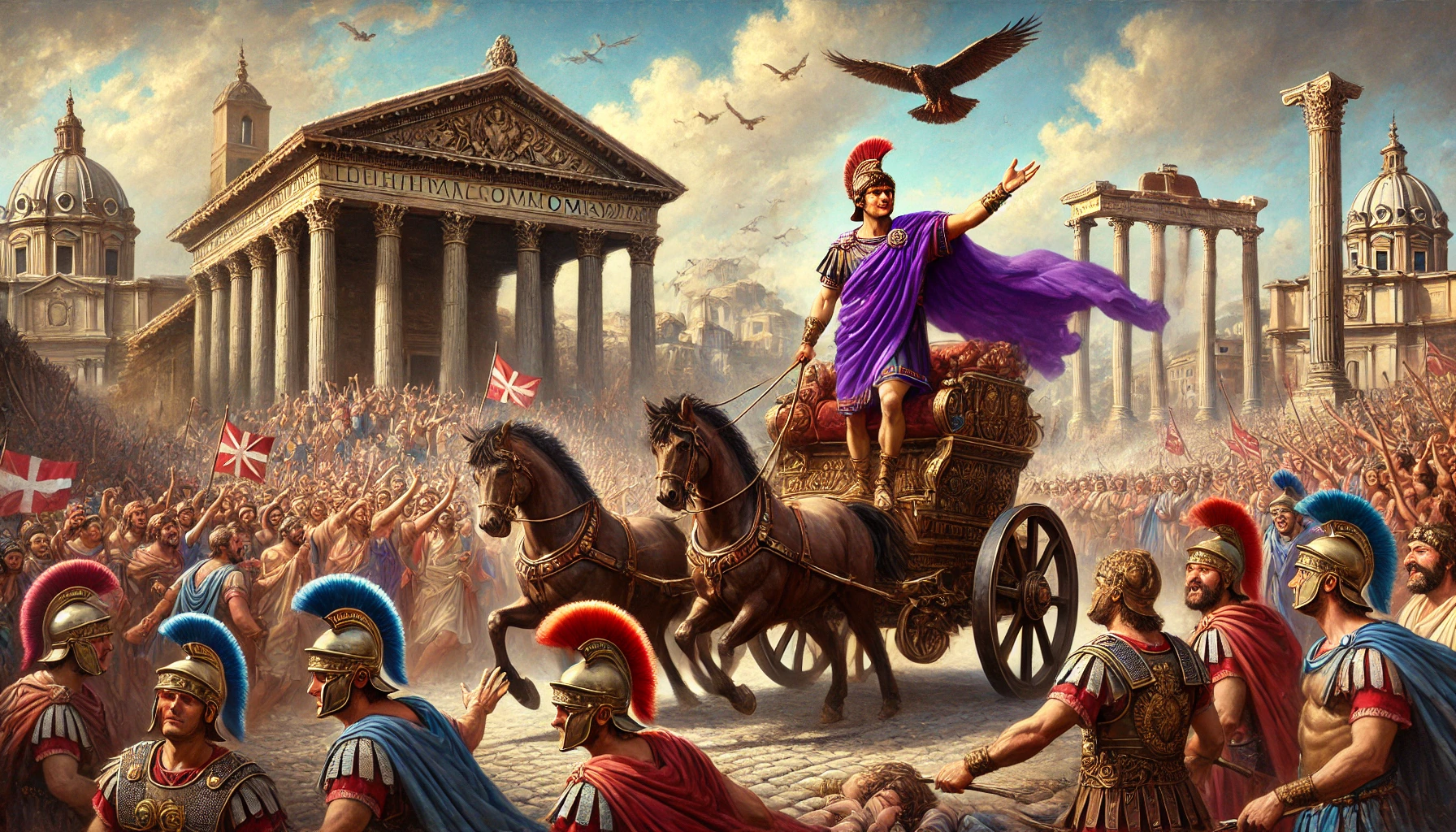
Paullus’ triumph was one of the most magnificent ever witnessed in Rome. Over three days, prisoners, plunder, and exotic animals paraded through the city. Gold, statues, and paintings looted from Macedonian temples dazzled the crowd. Perseus and his royal family were displayed in chains, followed by Paullus himself in a golden chariot, wearing a purple toga and laurel crown. The triumph was not merely celebratory—it was a public ritual of Roman supremacy over the Greek world.
Political and Cultural Significance
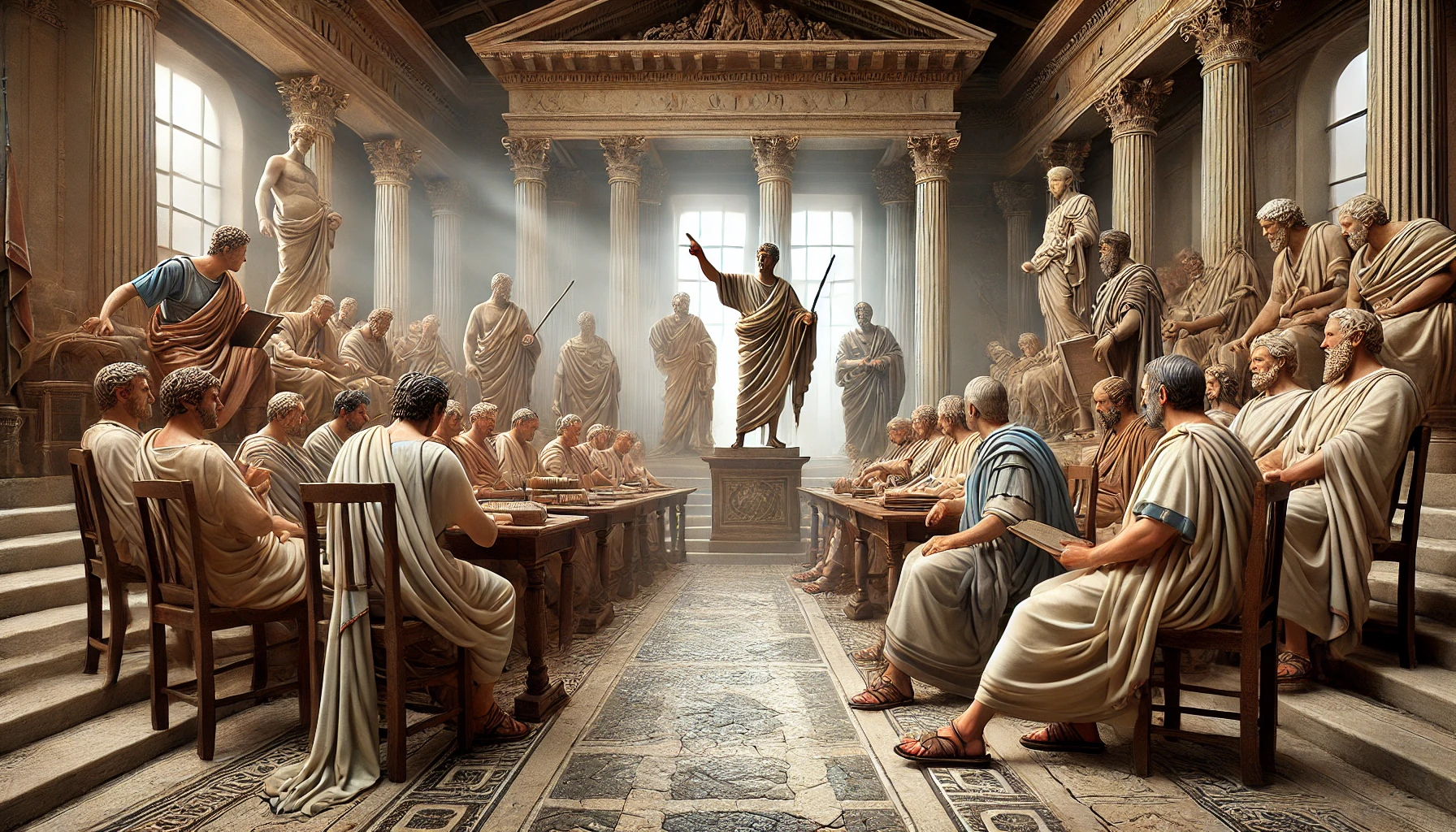
The fall of Macedon had seismic repercussions. The Antigonid monarchy—the last vestige of Alexander’s successors—was dissolved. Rome divided Macedonia into client republics and began asserting tighter control over Greek affairs. The Senate, once wary of eastern entanglements, now found itself the arbiter of Mediterranean politics. The infusion of wealth and culture from Greece transformed Roman society, art, and philosophy—bringing Hellenism home to the heart of the Republic.
Aemilius Paullus’ Legacy
Despite his triumph, Paullus remained a complex figure. Known for his austere values and intellectual depth, he reportedly took little personal pleasure in plunder. He used the triumph to honor Jupiter and emphasized discipline and piety over pomp. His sons, adopted into other prominent Roman families, would carry on his lineage—most notably through Scipio Aemilianus, the future destroyer of Carthage.
Conclusion: A Turning Point in Roman Expansion
The Battle of Pydna and the triumph of Lucius Aemilius Paullus symbolized more than just a military conquest—it marked Rome’s irreversible pivot from regional republic to imperial hegemon. With Macedon subdued, the road was clear for Rome to dominate the Greek world, absorb its culture, and expand its power eastward. Paullus’ chariot ride through Rome was not just the end of a campaign—it was the beginning of empire.