In 1377, Pope Gregory XI returned the papacy to Rome after decades in Avignon, restoring the city’s religious and political significance.

The Return of the Papacy to Rome: Gregory XI and the End of the Avignon Exile
read more

In 1377, Pope Gregory XI returned the papacy to Rome after decades in Avignon, restoring the city’s religious and political significance.
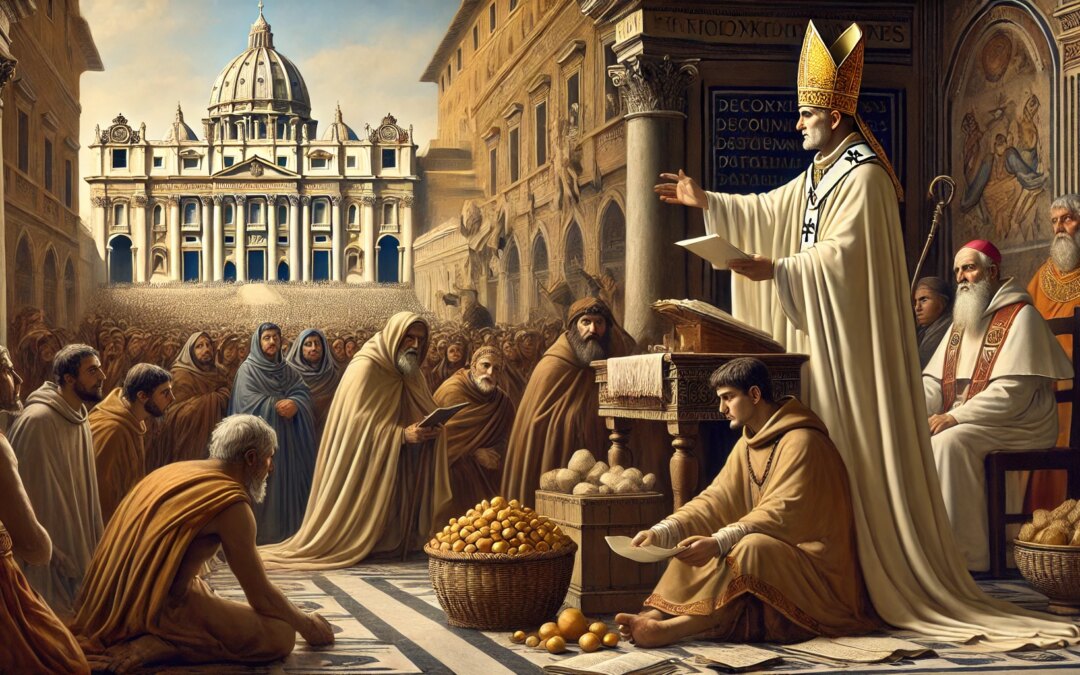
In the 7th century, Pope Gregory I led Rome through famine, plague, and war, shaping the medieval papacy and spreading Christianity across Europe.
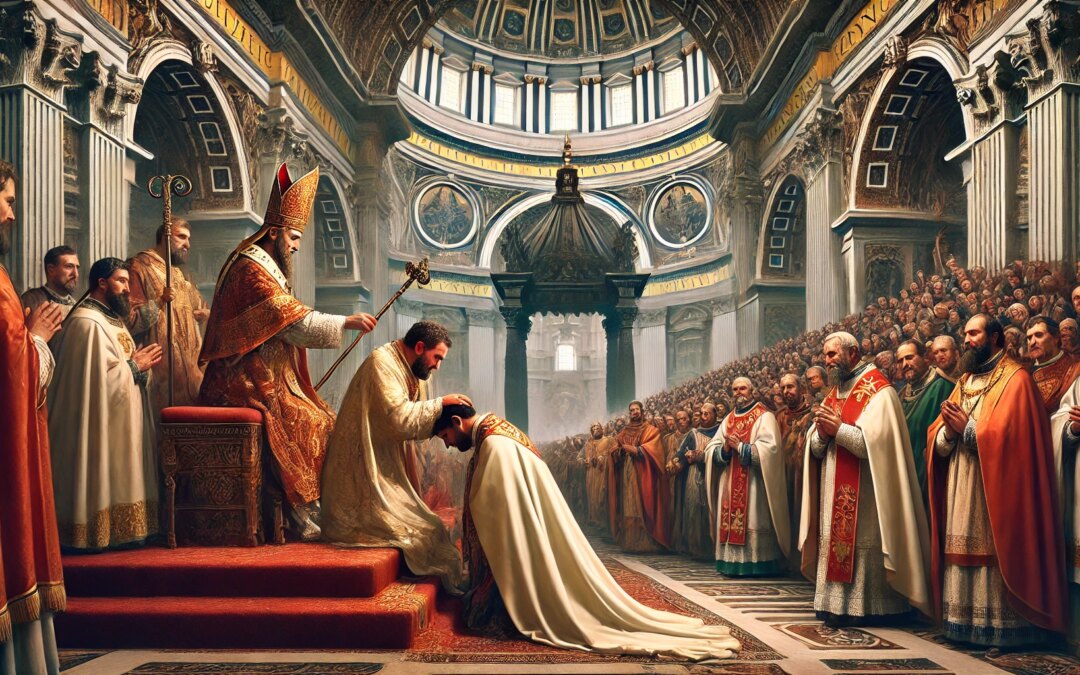
In 754 CE, Pope Stephen II anointed Pepin the Short in Rome, forging the alliance that led to the creation of the Papal States and reshaped medieval Europe.
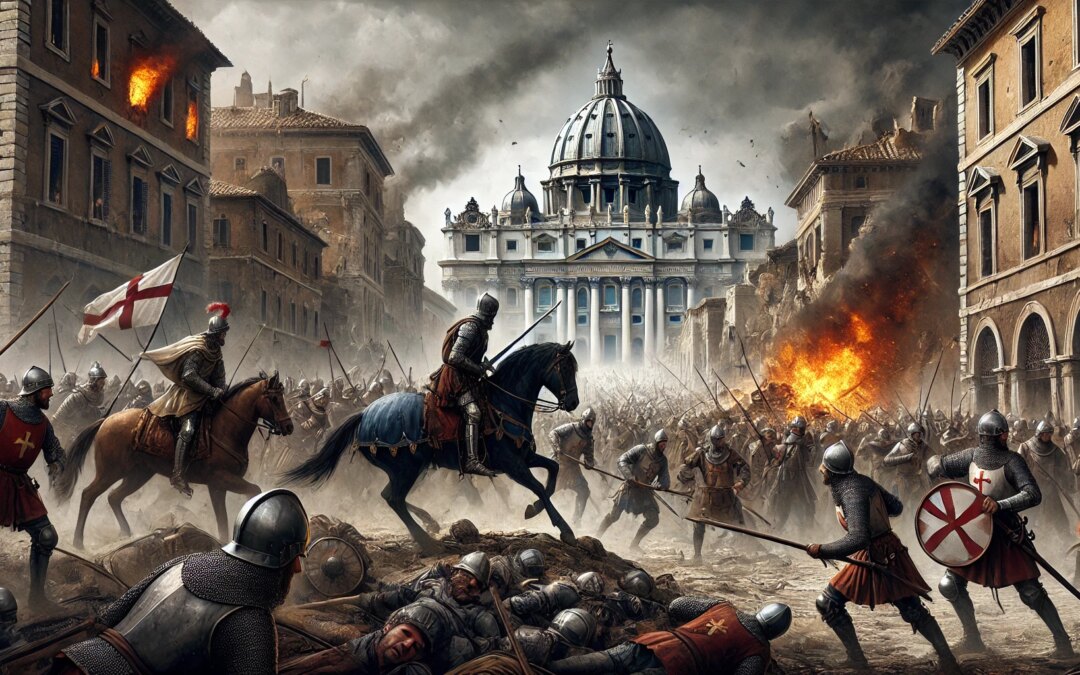
In 1084, Norman forces under Robert Guiscard sacked Rome, rescuing Pope Gregory VII but leaving the city in ruins after clashing with Emperor Henry IV.
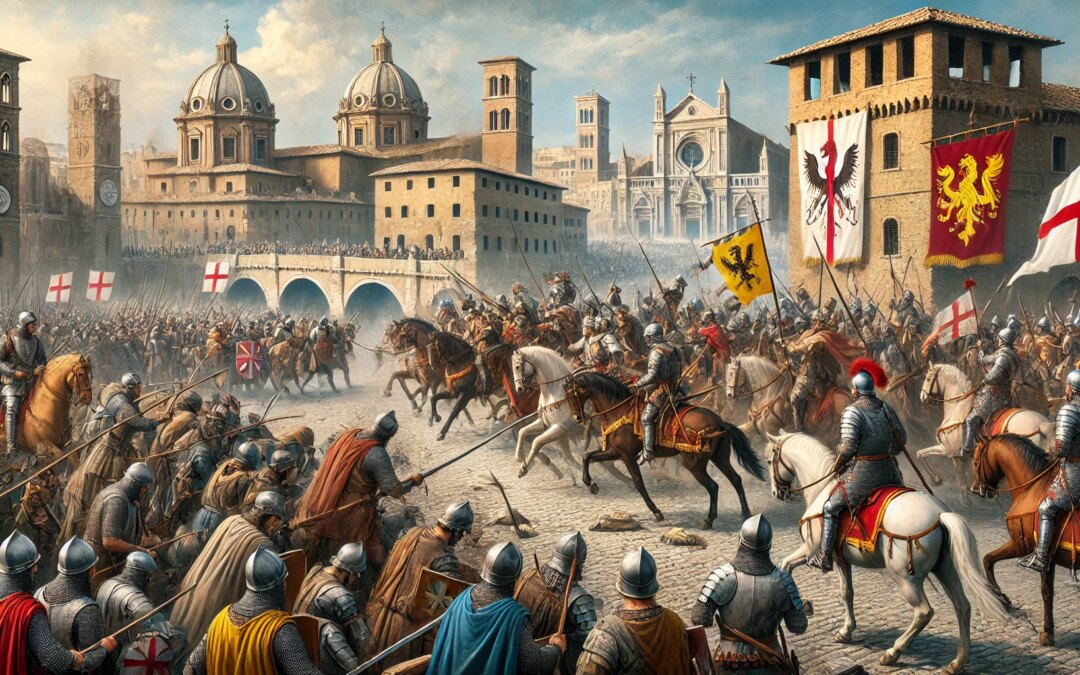
In the 13th century, Rome was torn between the Guelphs and Ghibellines, factions fighting for control between the papacy and the Holy Roman Empire.
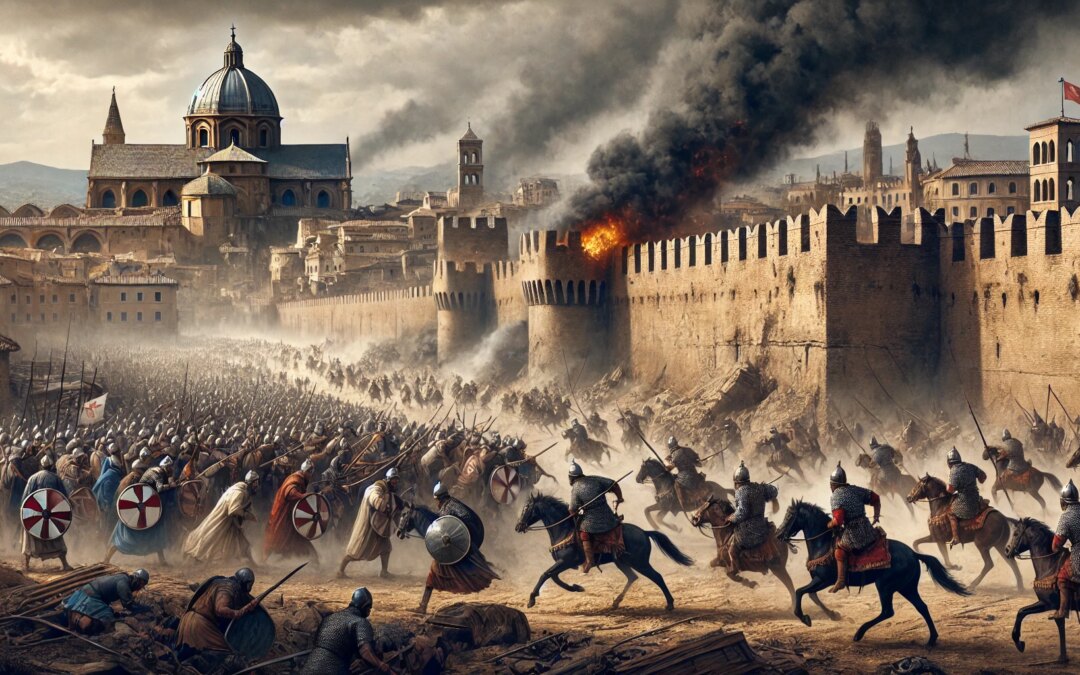
In the 9th century, Saracen raiders attacked Rome, threatening the city’s security and prompting the fortification of the Vatican and the rise of new defenses.
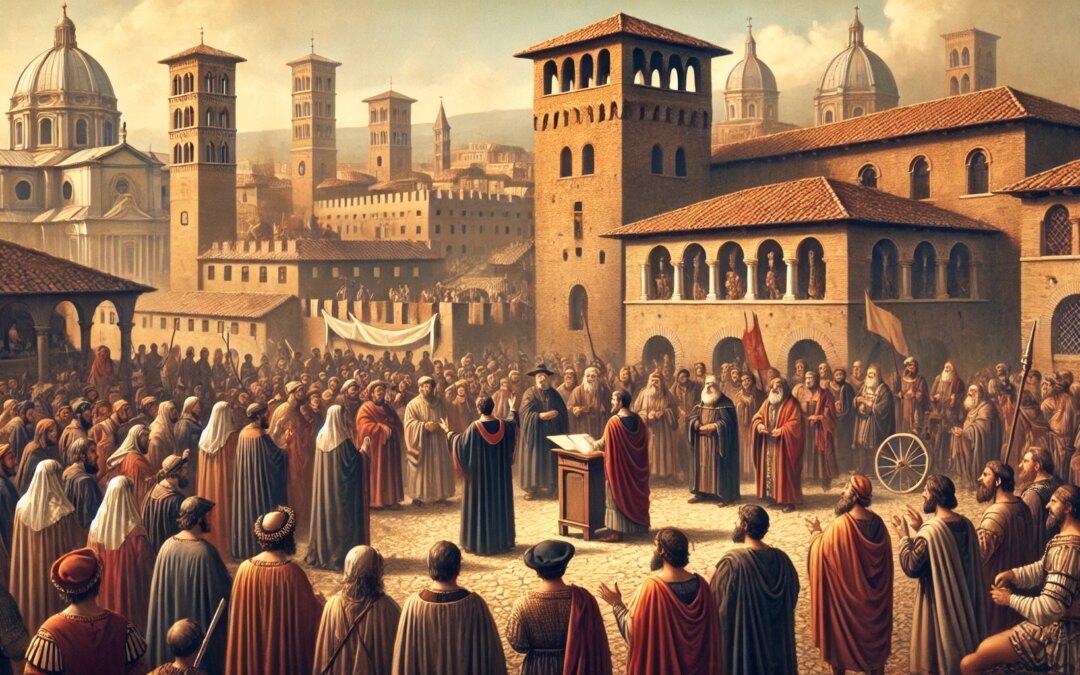
In the 12th century, the Commune of Rome emerged as citizens challenged papal rule, seeking self-governance and a return to the city’s republican past.

During the Avignon Papacy (1309–1377), the papal court abandoned Rome, leaving the city in decline while power shifted to France.
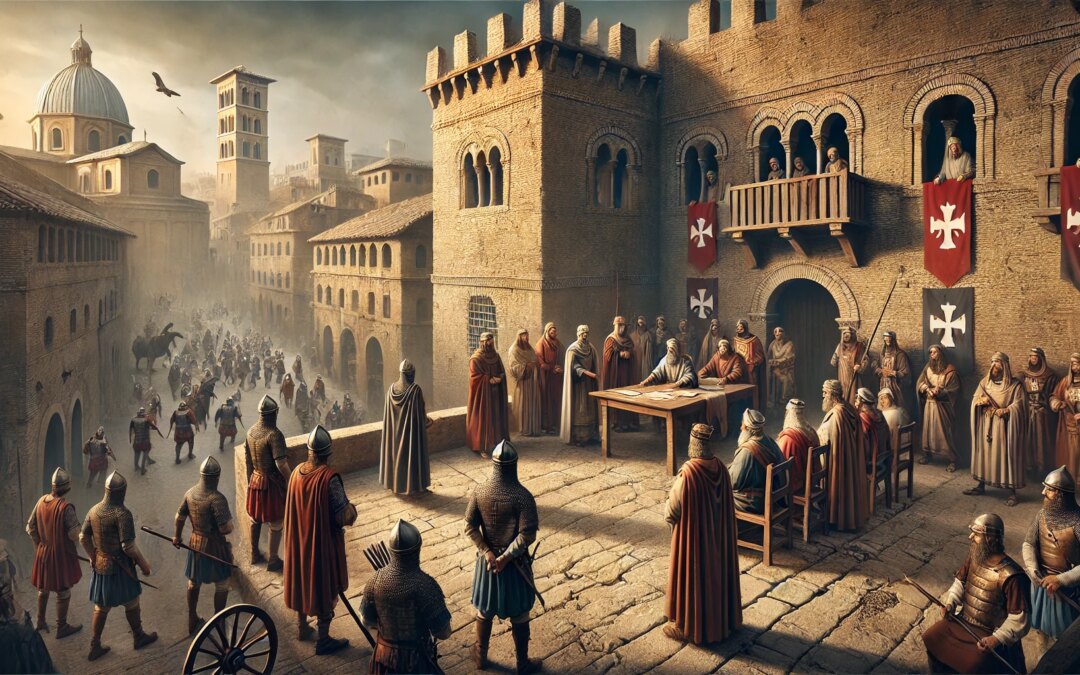
In the 10th century, the Crescentii family dominated Rome, controlling the papacy and shaping the city’s medieval politics through strategic alliances and intrigue.
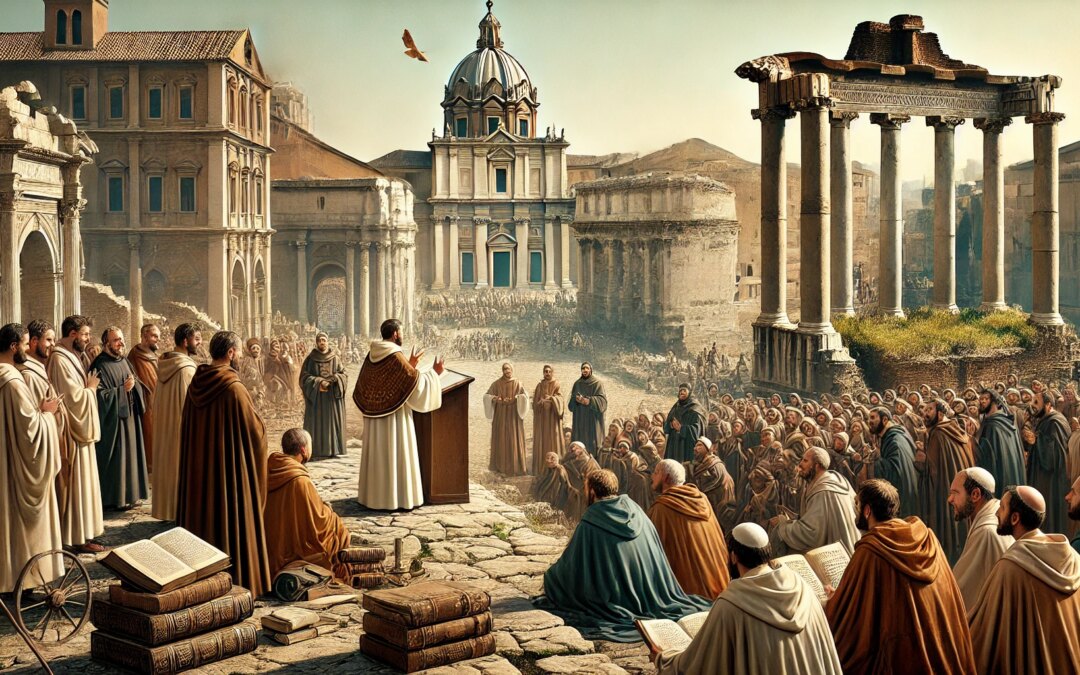
In the 7th century, Pope Gregory I guided Rome through its transition from antiquity to the medieval era, preserving knowledge and reshaping the Church’s role.