Explore life and logistics in Roman harbors during the 1st century AD—hubs of trade, customs, and economic power in the ancient empire.
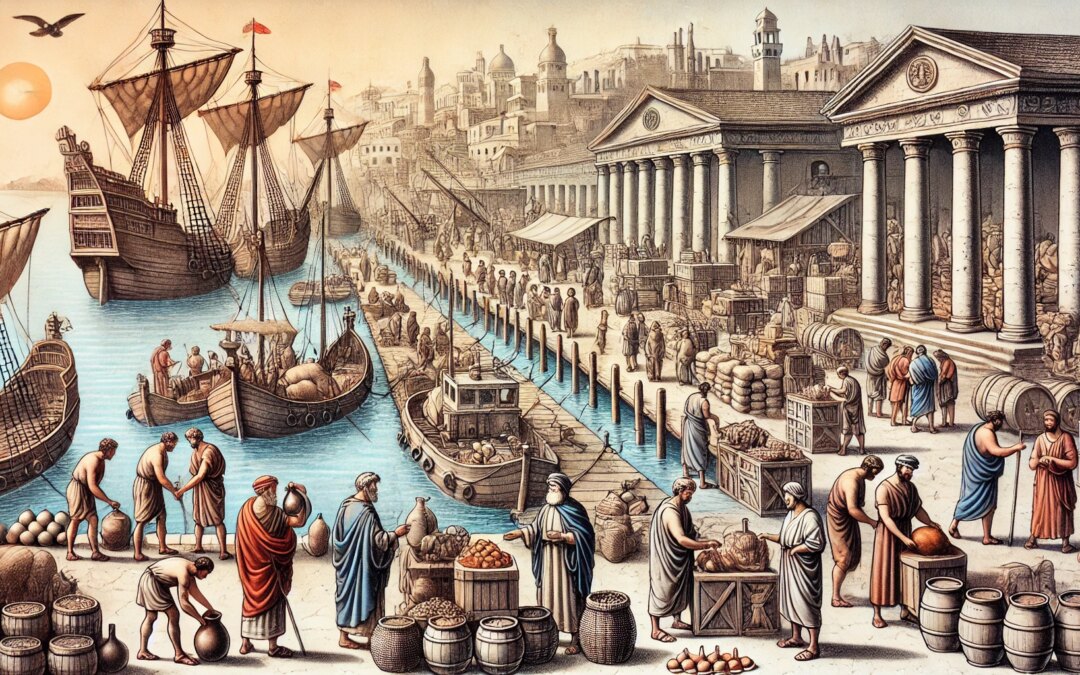
Commerce by the Sea: Roman Harbors and Maritime Trade in the 1st Century AD
read more

Explore life and logistics in Roman harbors during the 1st century AD—hubs of trade, customs, and economic power in the ancient empire.
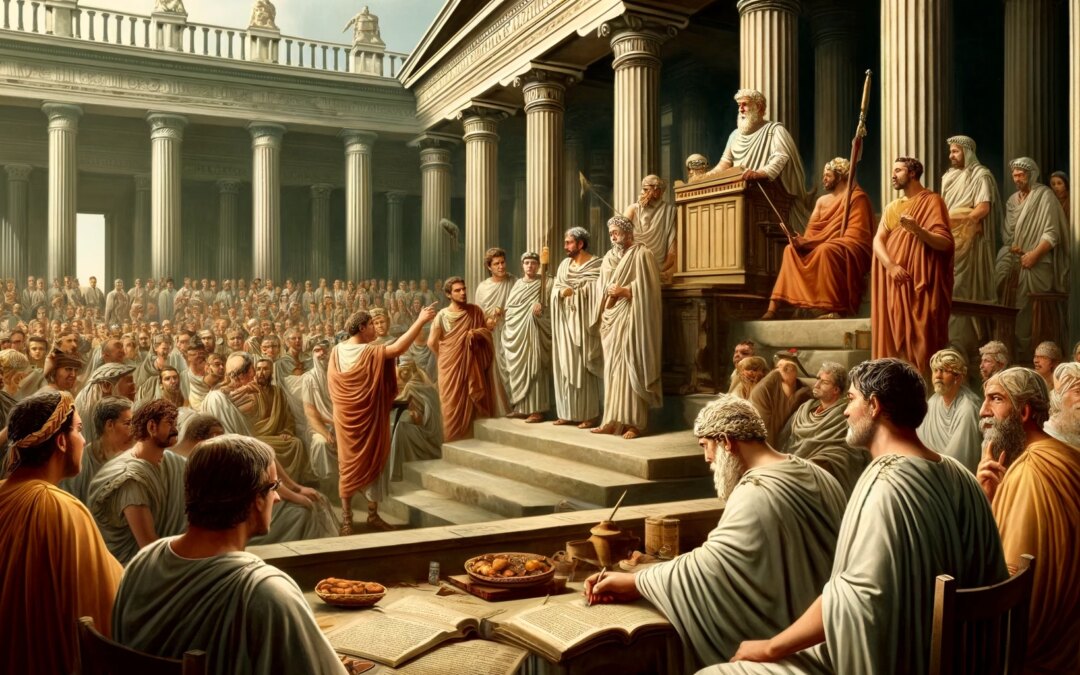
Explore how legal trials unfolded in Roman courtrooms during the 1st century BCE, where rhetoric, reputation, and law shaped justice.
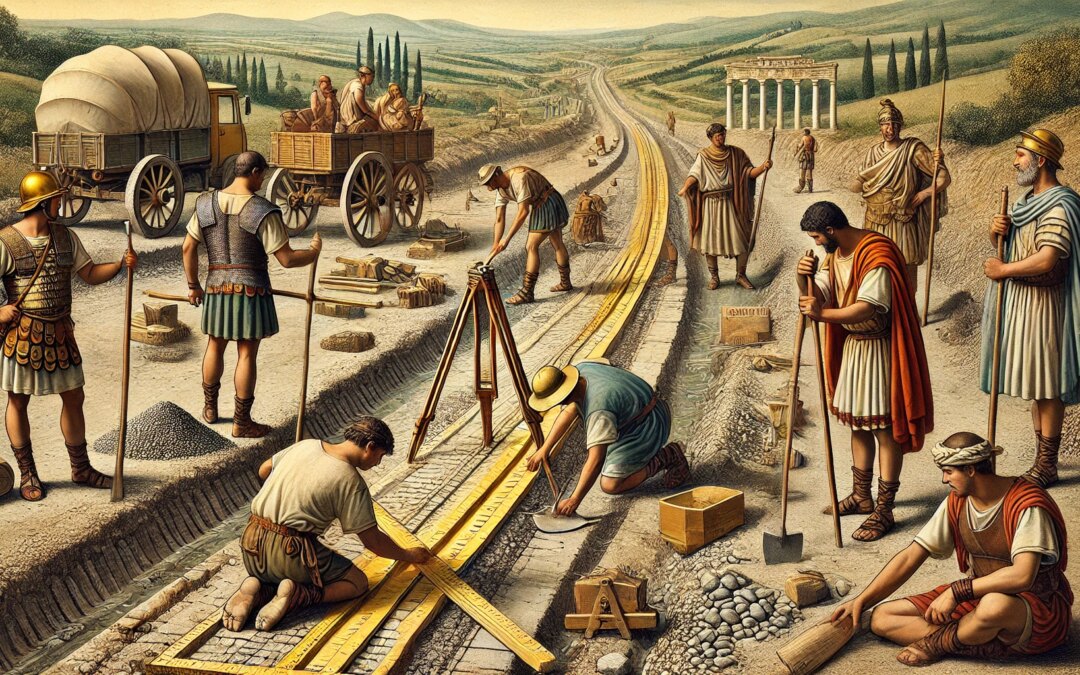
How Roman roads were built in the 1st century BCE—exploring their design, labor, and impact on Rome’s military and economic dominance.
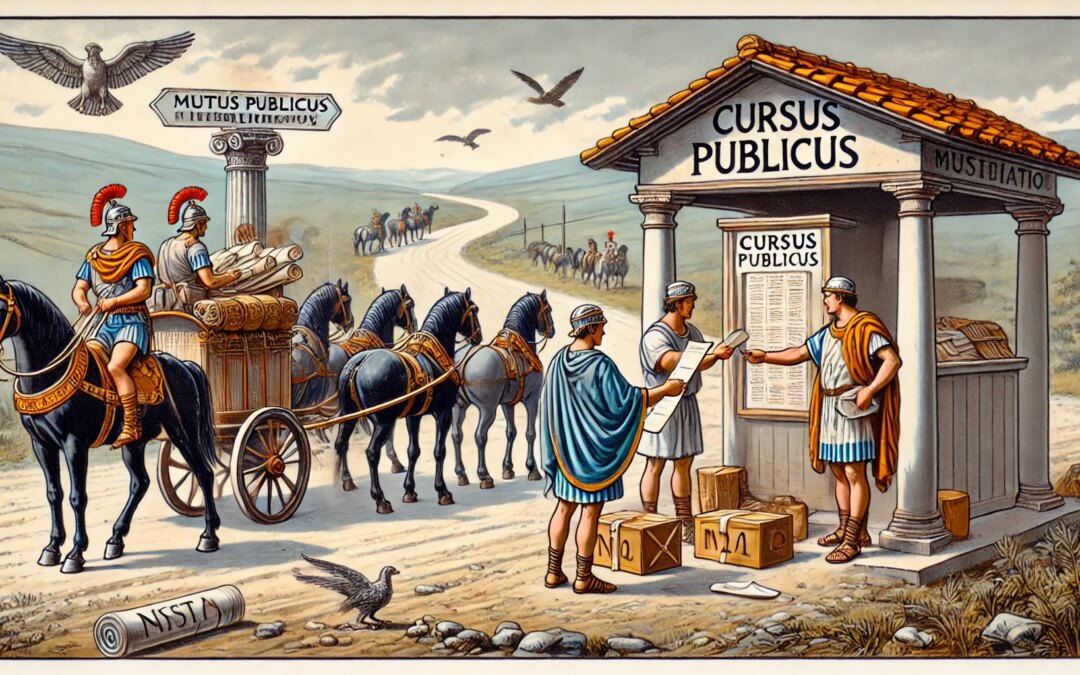
In the 1st century AD, Rome’s Cursus Publicus revolutionized communication—linking the empire through relay stations, couriers, and roads.
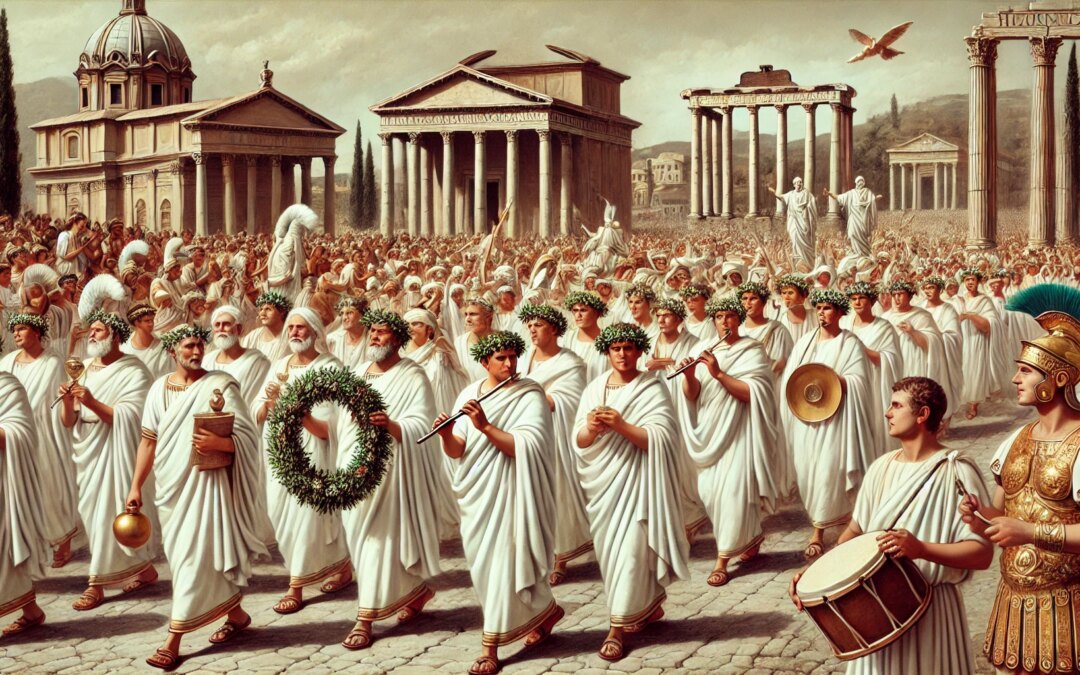
In 1st century BCE Rome, religious processions were grand civic rituals—uniting gods, people, and politics in the heart of the Republic.
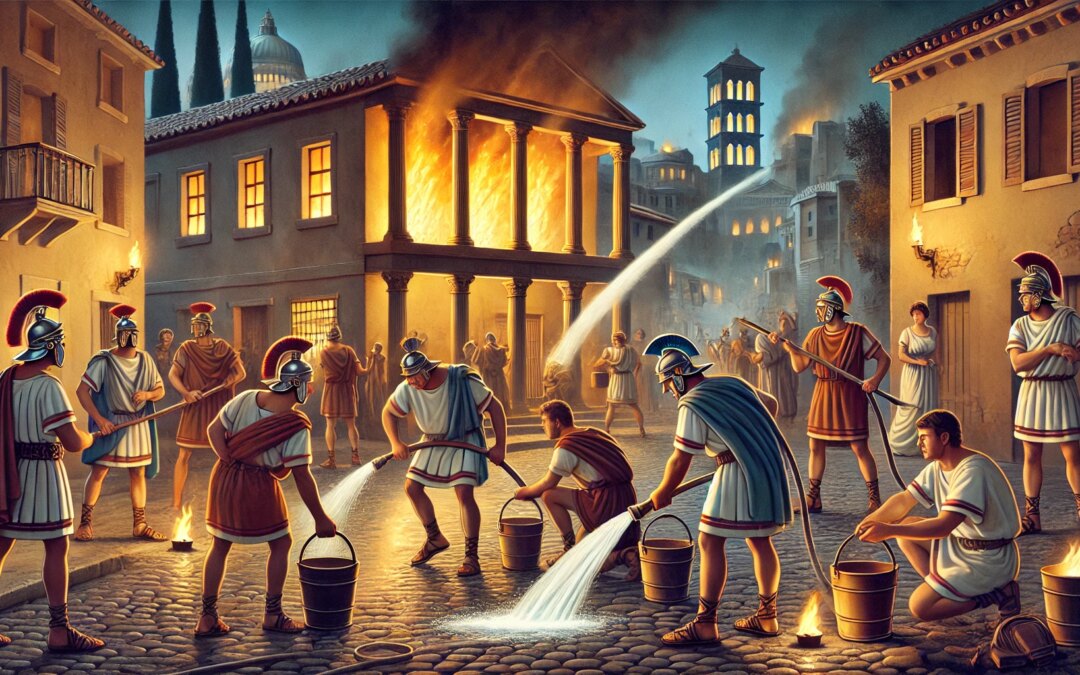
In 1st century AD Rome, the Vigiles safeguarded the city from fires and crime, serving as its first professional emergency service.
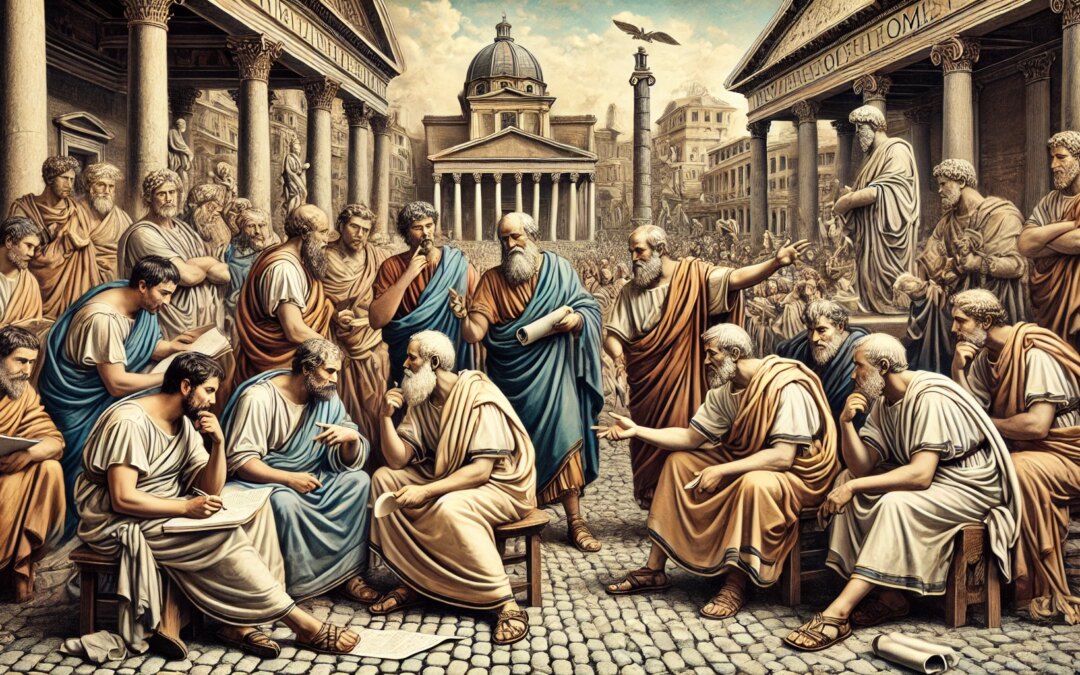
In the 1st century BCE, the Roman Forum echoed with philosophical debates that shaped law, ethics, and the soul of the Republic.
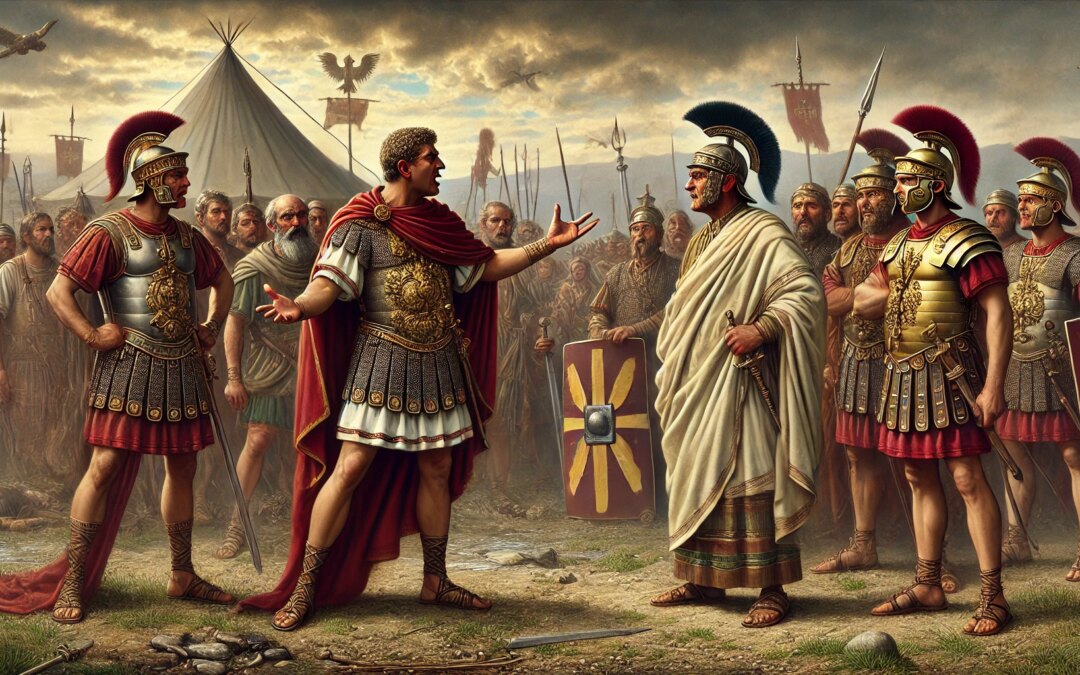
Emperor Valentinian I died of a stroke in 375 AD during a fiery confrontation with Alemannic envoys—ending a reign of military might and reform.
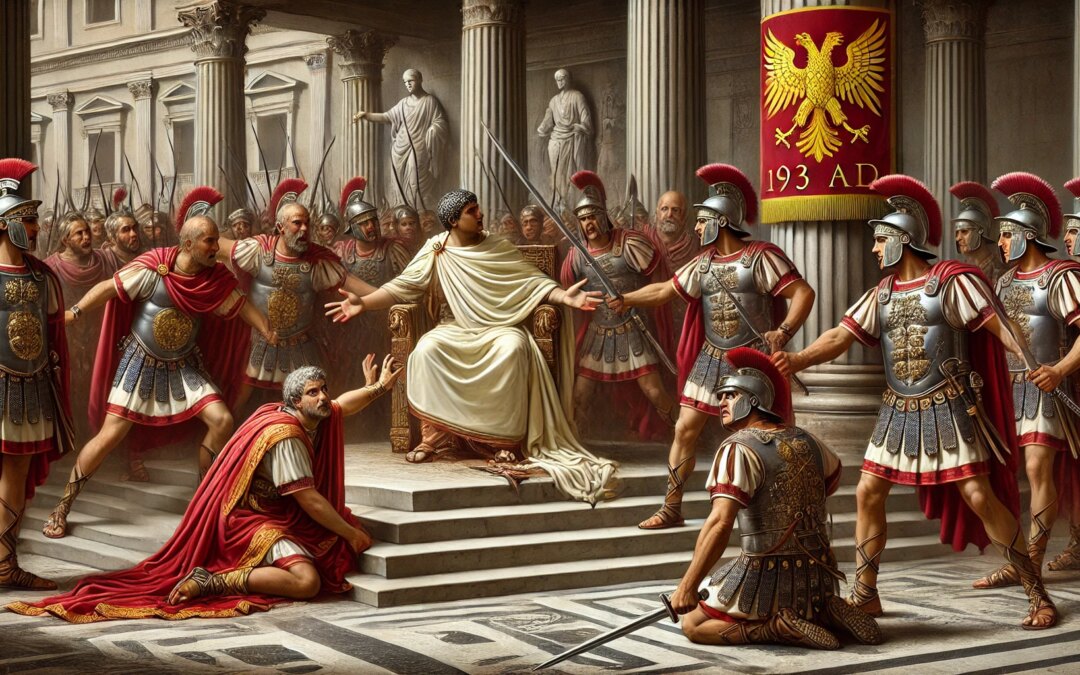
In 193 AD, Emperor Pertinax was assassinated by the Praetorian Guard—an event that exposed the fragility of imperial power in Rome.
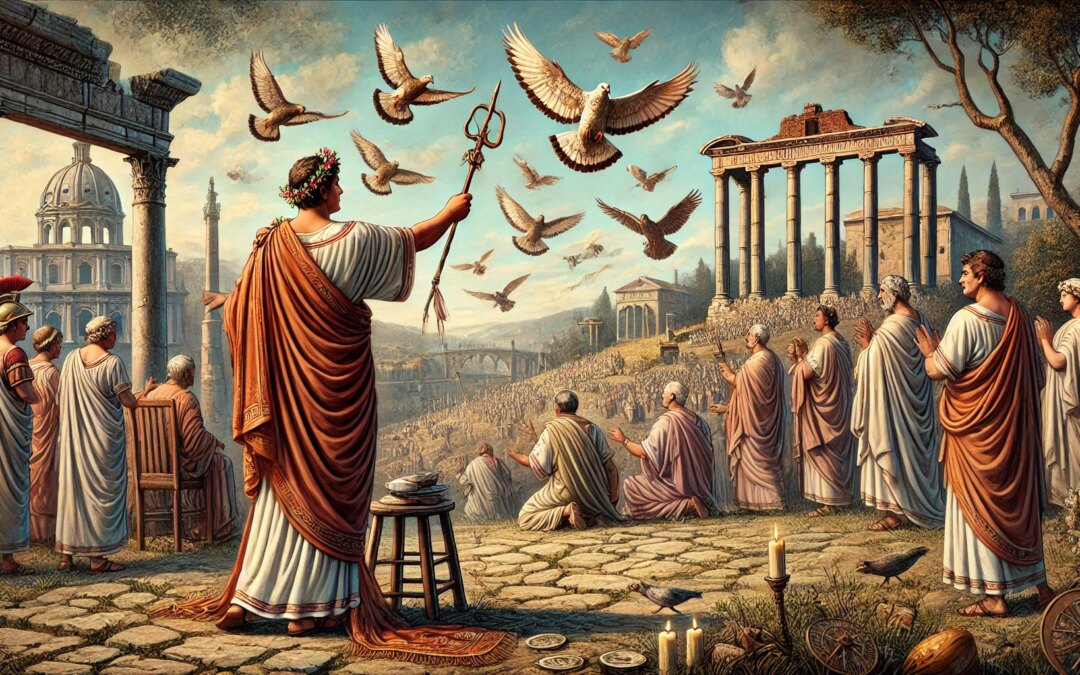
Roman augurs interpreted the flight of birds to guide political and military decisions—linking nature, religion, and state power in ancient Rome.