Floralia, the vibrant Roman spring festival, celebrated flowers, fertility, and female liberty with games, theater, and colorful revelry.
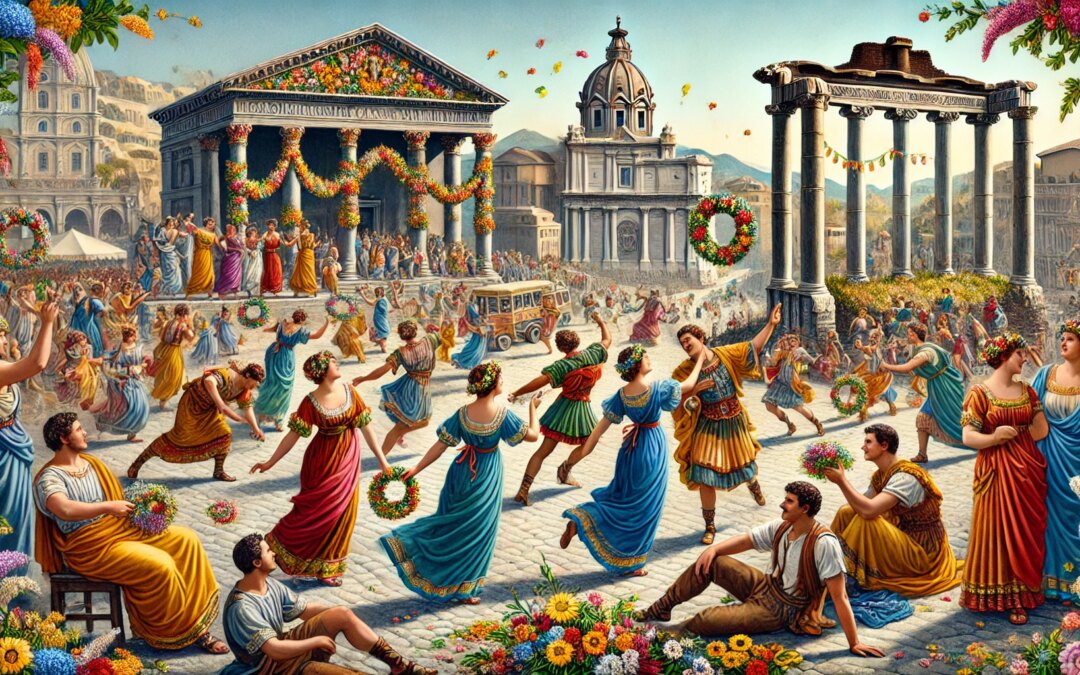
Floralia: The Roman Festival of Flowers, Fertility, and Freedom
read more

Floralia, the vibrant Roman spring festival, celebrated flowers, fertility, and female liberty with games, theater, and colorful revelry.
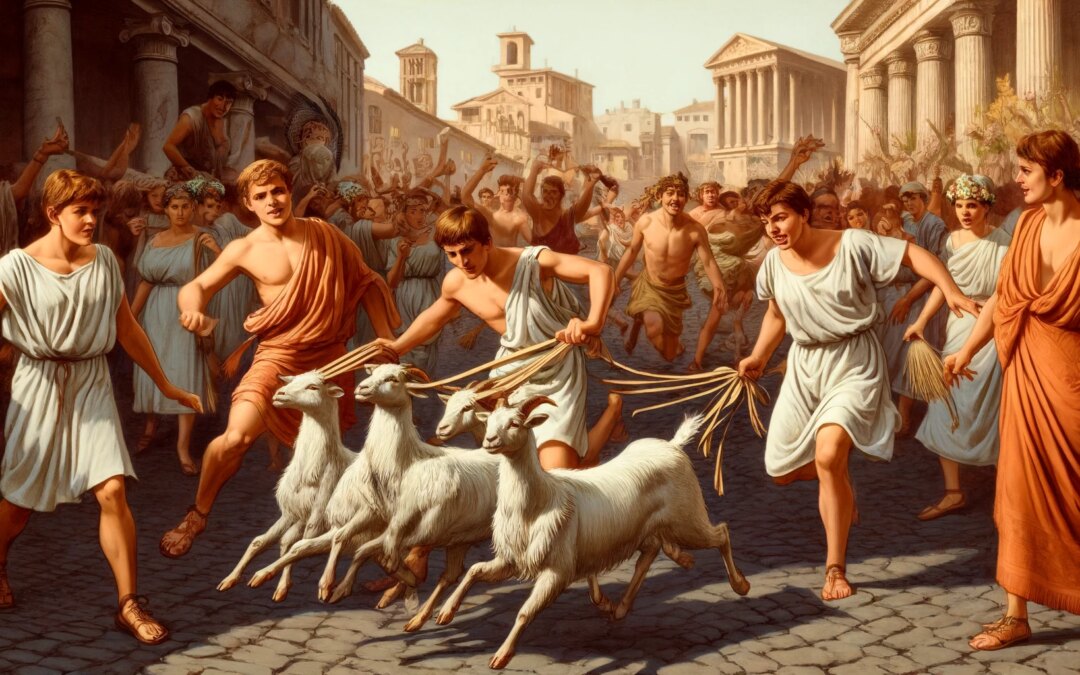
Lupercalia, celebrated in February, was one of Rome’s most ancient rituals—honoring fertility, cleansing the city, and blurring social lines.
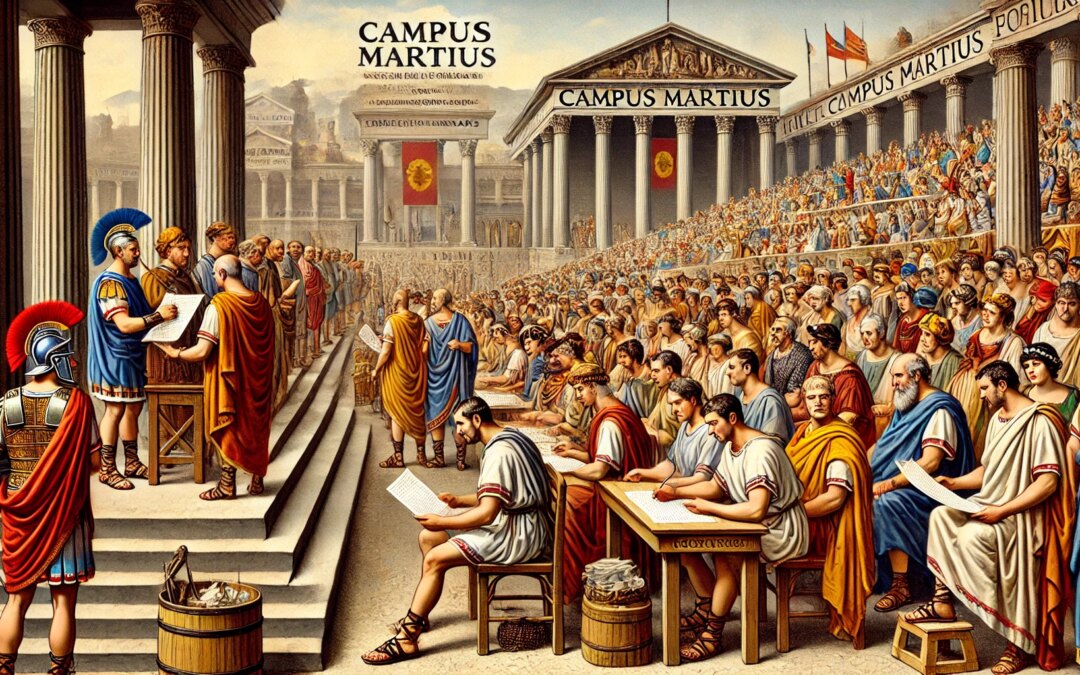
During the Roman Republic, the census was a vital institution—ranking citizens, organizing the army, and shaping Rome’s social fabric.
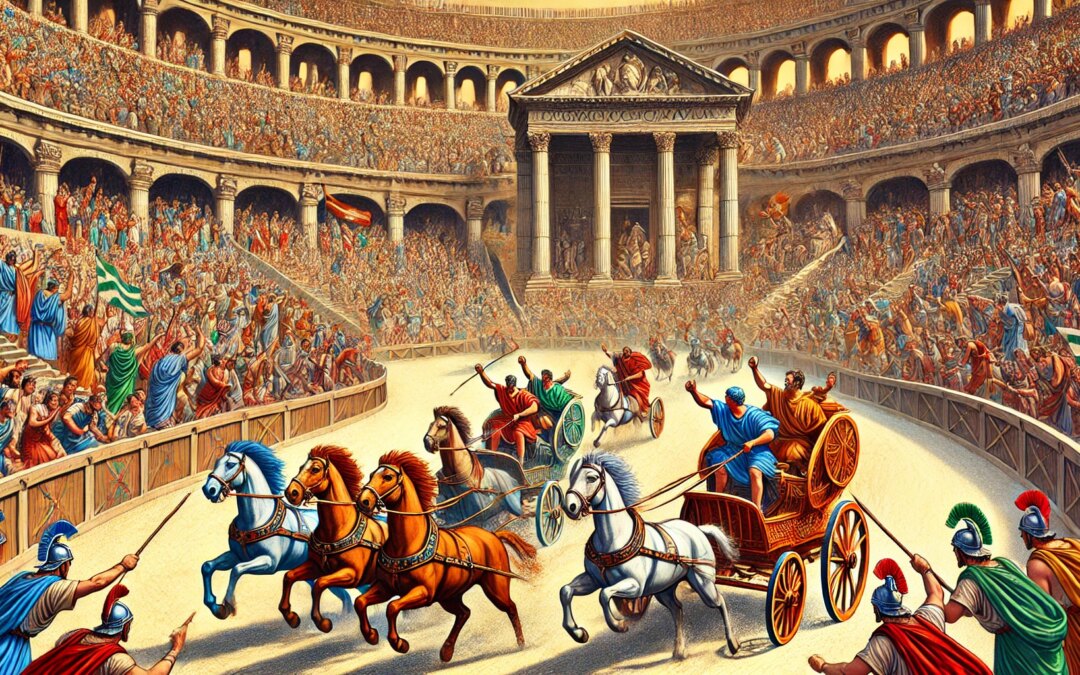
Chariot races at Rome’s Circus Maximus thrilled crowds with speed, danger, and spectacle—defining entertainment in the Roman Empire.
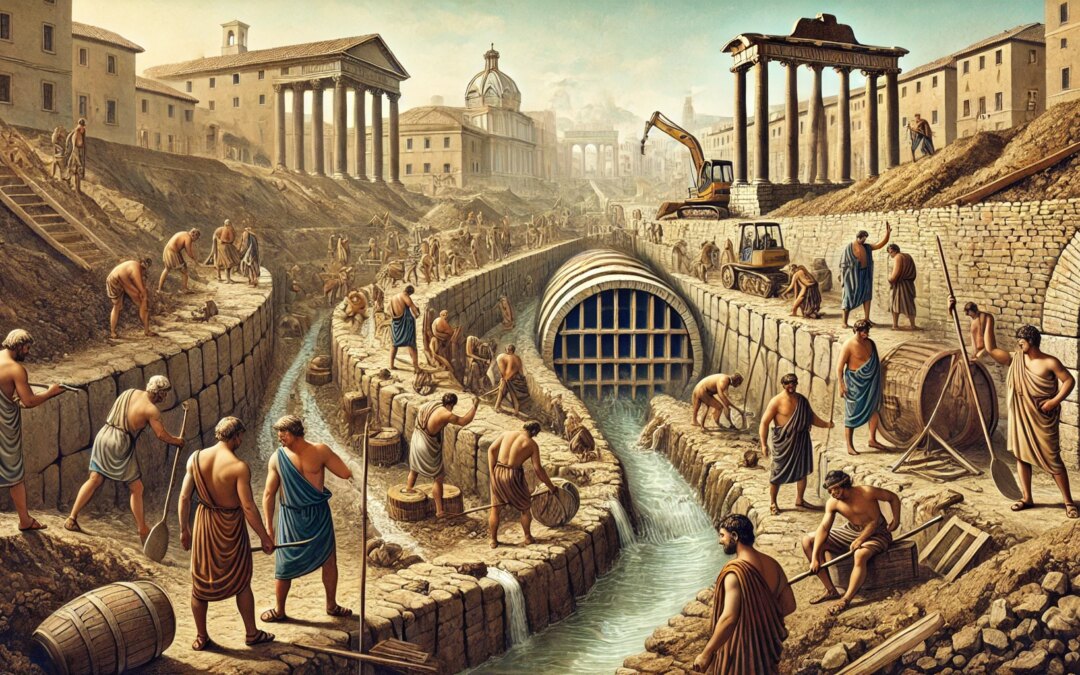
Built in the 6th century BCE, the Cloaca Maxima was Rome’s first major sewer—laying the groundwork for urban sanitation and engineering greatness.
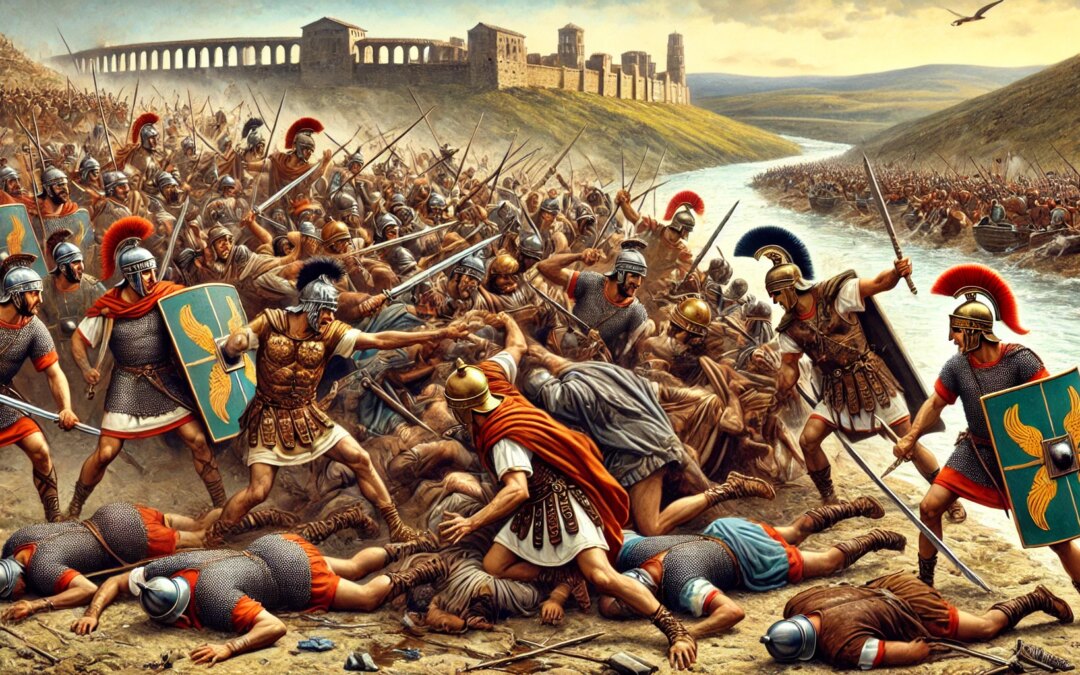
In 390 BCE, the Roman army was crushed by Gallic invaders at the Battle of the Allia, leading to the sack of Rome and a historical trauma.
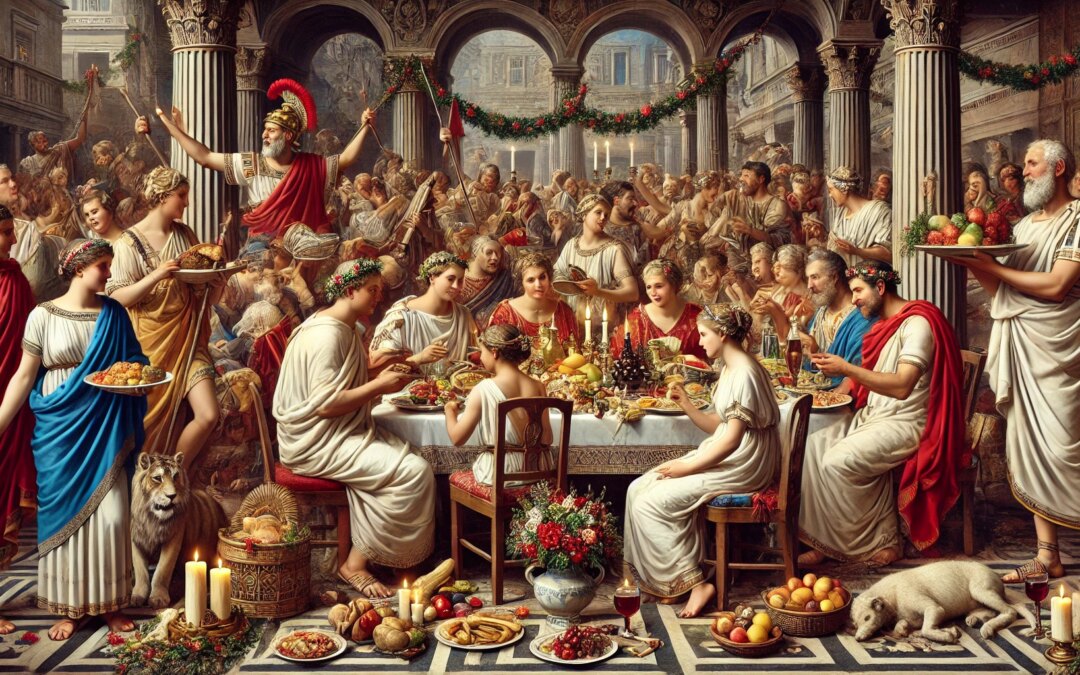
Saturnalia, the Roman festival of Saturn, upended social norms with feasting, gift-giving, and joy—an ancient precursor to modern holidays.
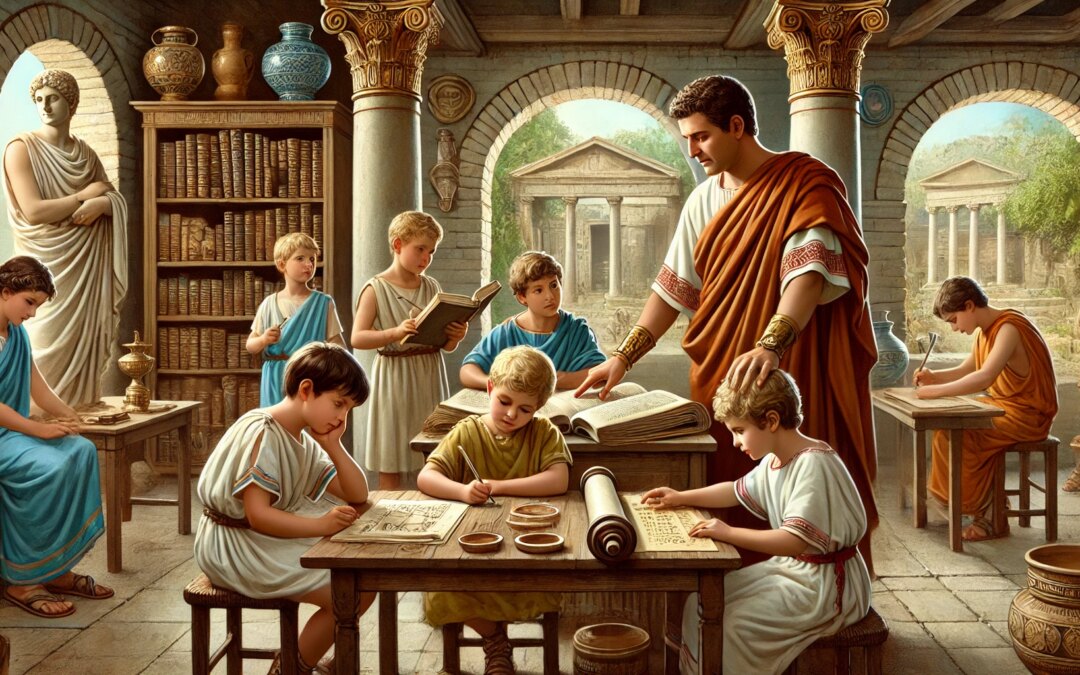
In 1st century AD Rome, education shaped elite youth with rhetoric, literature, and discipline—preparing them for civic and political life.
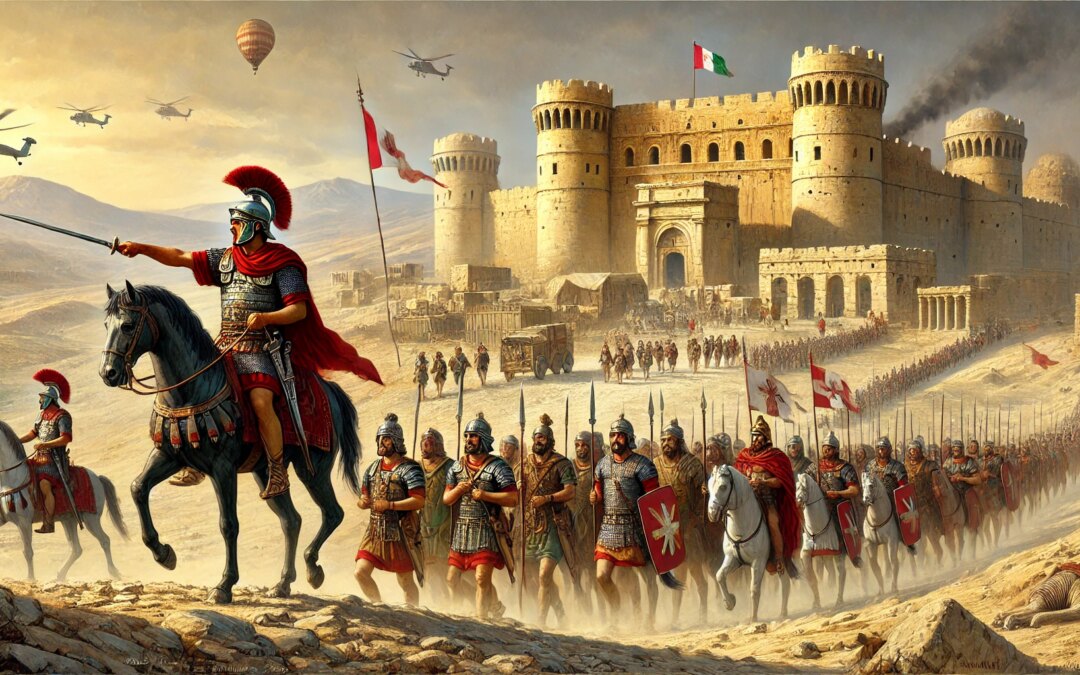
In 273 AD, Emperor Aurelian recaptured Palmyra, ending Zenobia’s rebellion and reuniting the fractured Roman Empire through decisive military power.
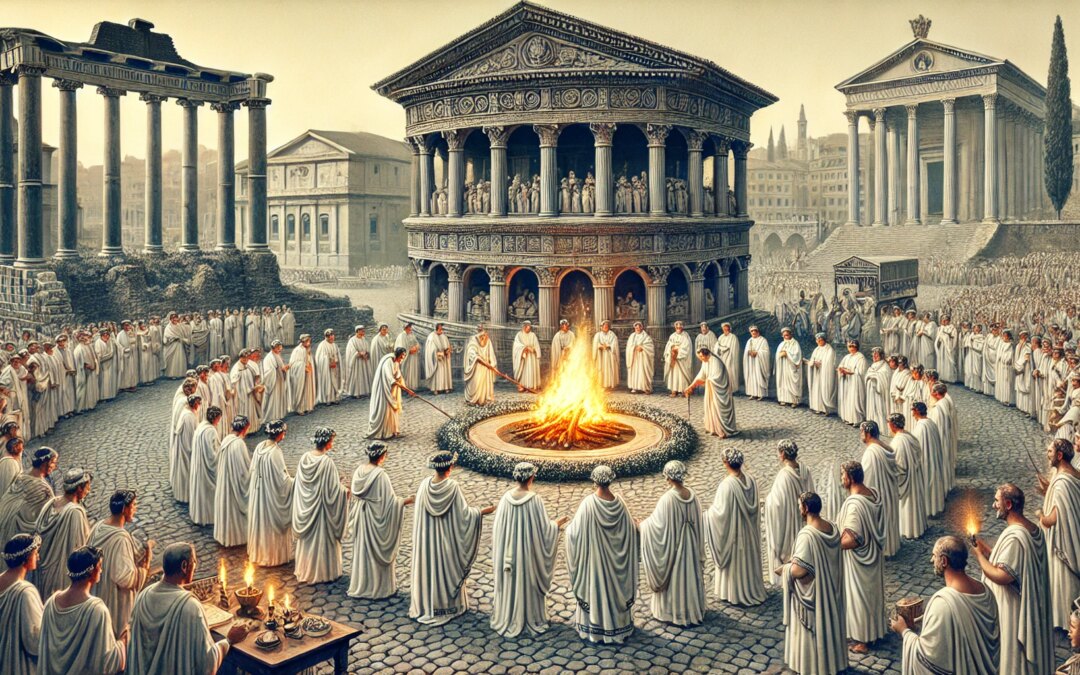
In ancient Rome, the Vestal Virgins kept the sacred fire of Vesta burning—symbolizing the city’s fate and the divine order of its society.