Seneca the Younger shaped Stoic thought and Roman ethics under Nero’s rule, balancing philosophy, politics, and peril in a turbulent era.
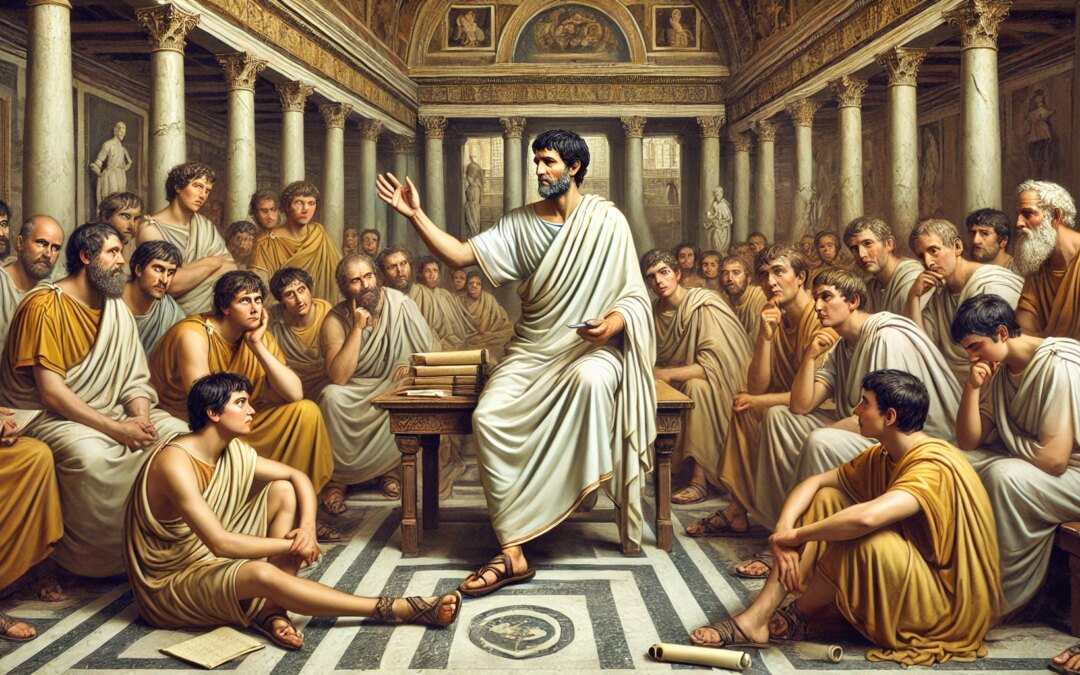
Seneca the Younger: Stoic Philosopher and Moral Voice of Imperial Rome
read more

Seneca the Younger shaped Stoic thought and Roman ethics under Nero’s rule, balancing philosophy, politics, and peril in a turbulent era.
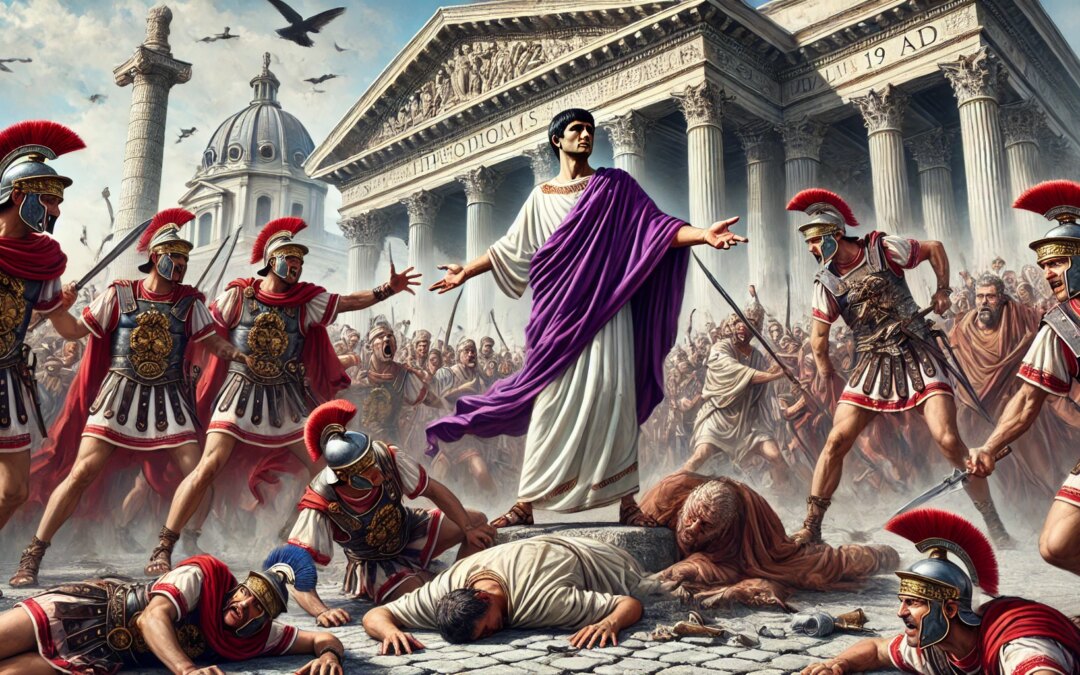
In 193 AD, Emperor Pertinax was assassinated by the Praetorian Guard after a brief rule, triggering the infamous Year of the Five Emperors.
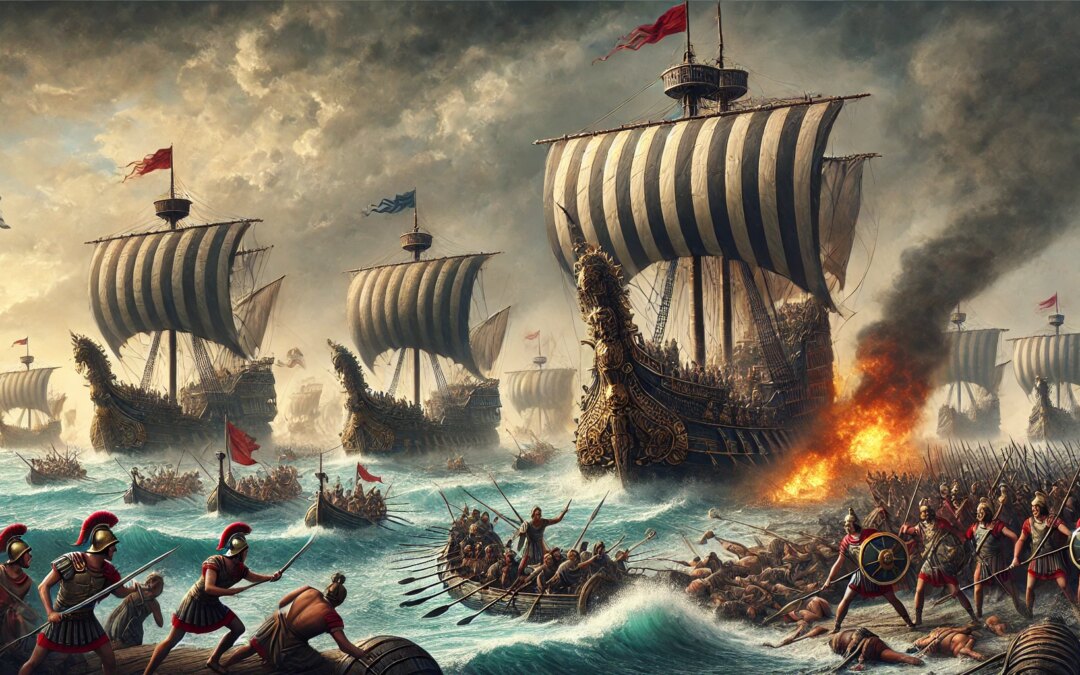
In 31 BCE, Octavian’s navy defeated Mark Antony and Cleopatra at Actium, sealing the fate of Rome’s Republic and ushering in the age of the Empire.
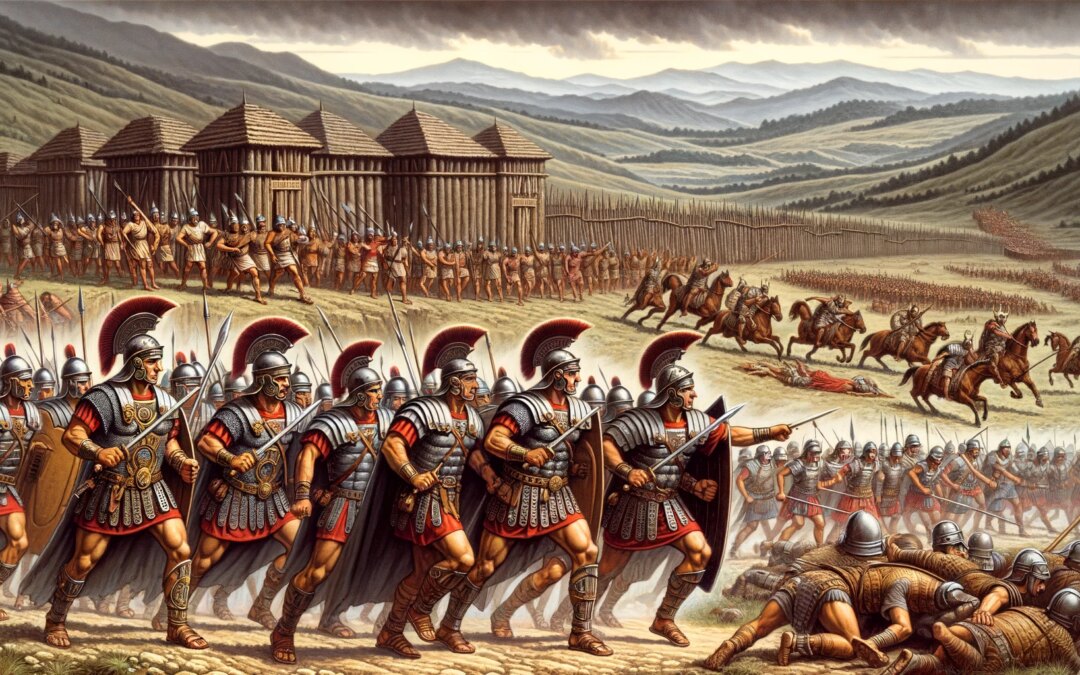
Emperor Trajan’s conquest of Dacia (101–106 AD) expanded Rome’s borders and secured vast resources, marking one of the empire’s greatest military triumphs.
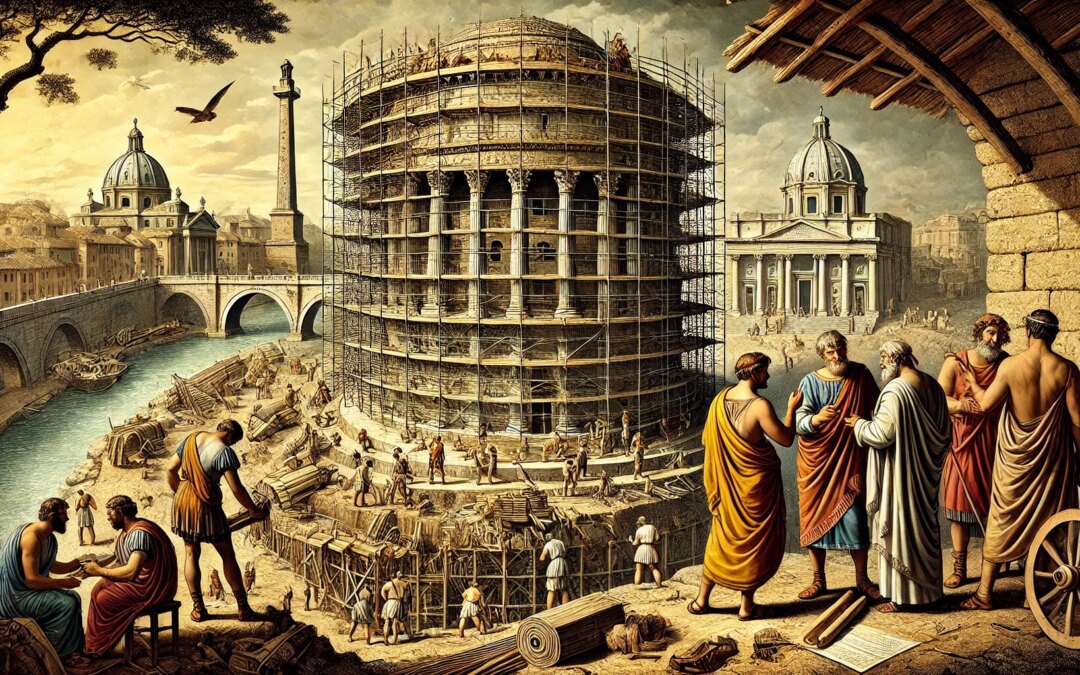
Hadrian’s Mausoleum, now Castel Sant’Angelo, was built as a grand imperial tomb and later transformed into a fortress shaping Rome’s history.
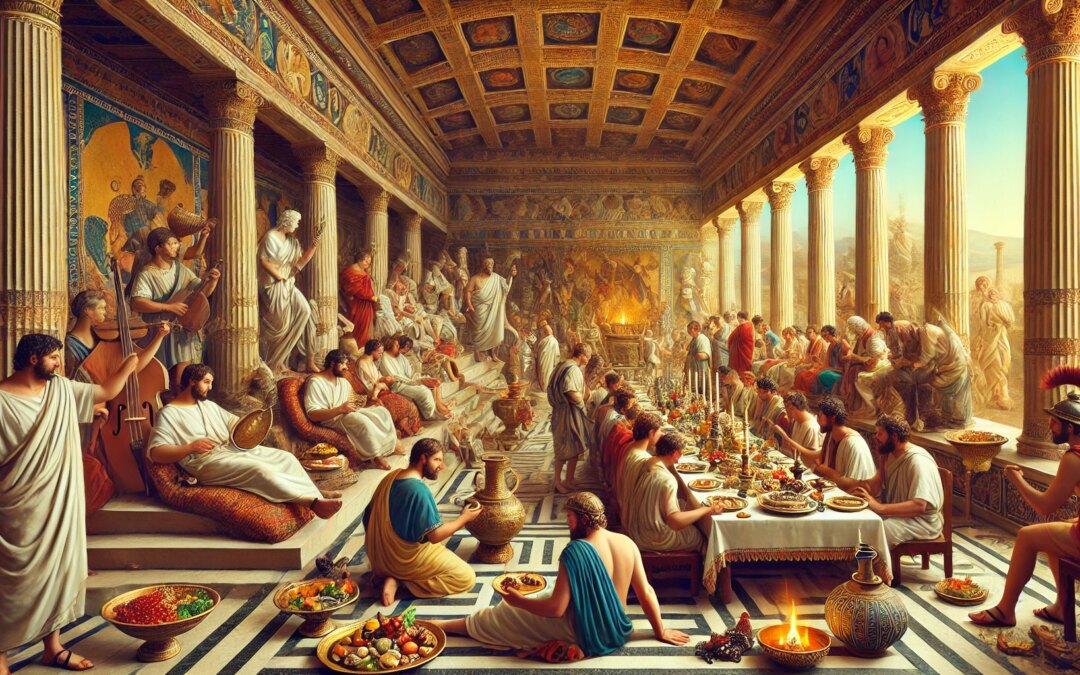
Roman feasts were legendary for their opulence, featuring exotic dishes, fine wines, and elaborate entertainment in lavish banquet halls.
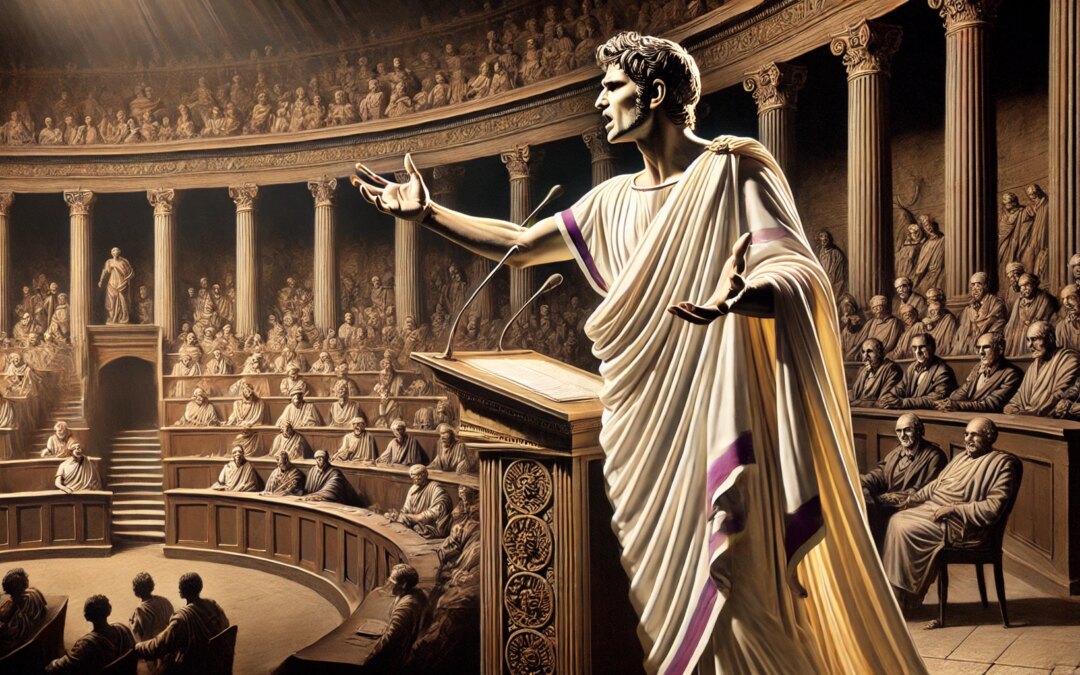
Cicero’s dramatic denunciation of Catiline in the Senate in 63 BCE exposed a conspiracy that threatened the Roman Republic.
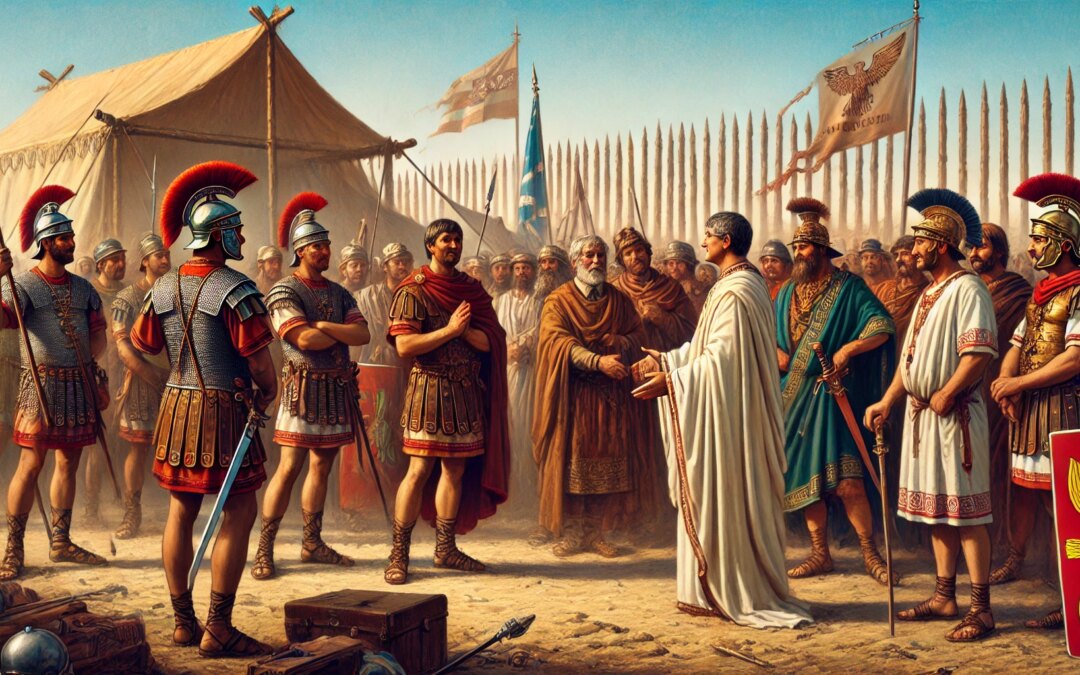
Delve into the early Roman Republic’s pivotal alliance, the Latin League, and its role in shaping the future of Roman dominance in the Italian peninsula.
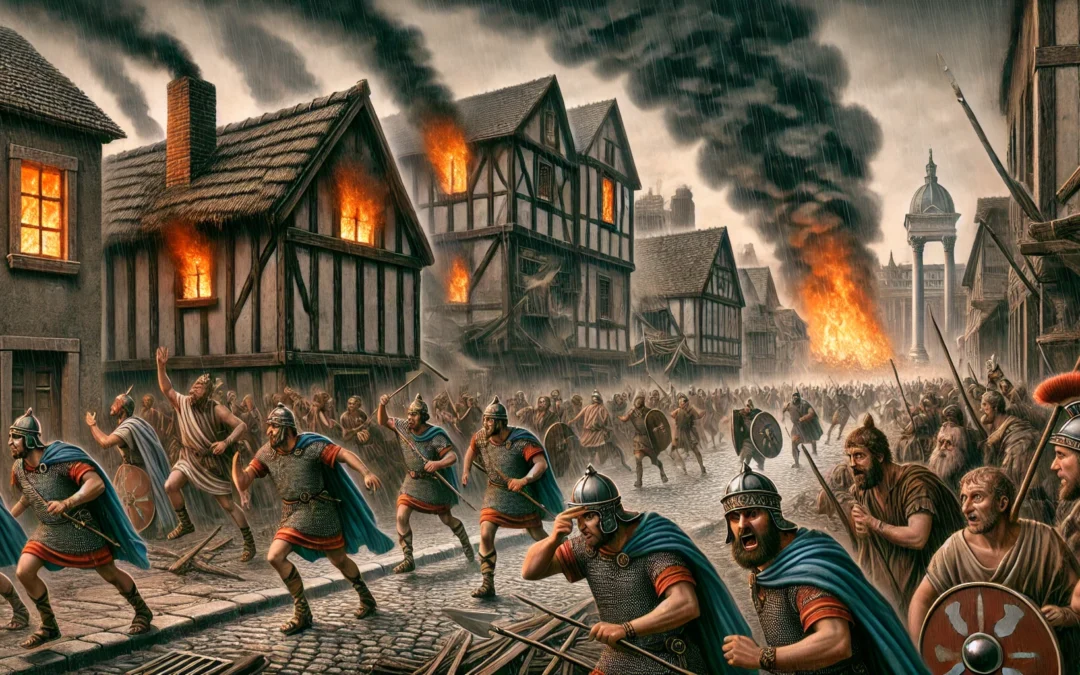
In 390 BCE, Rome faced its first catastrophic sack when the Gauls overran the city. Discover how the Romans endured and rebuilt.
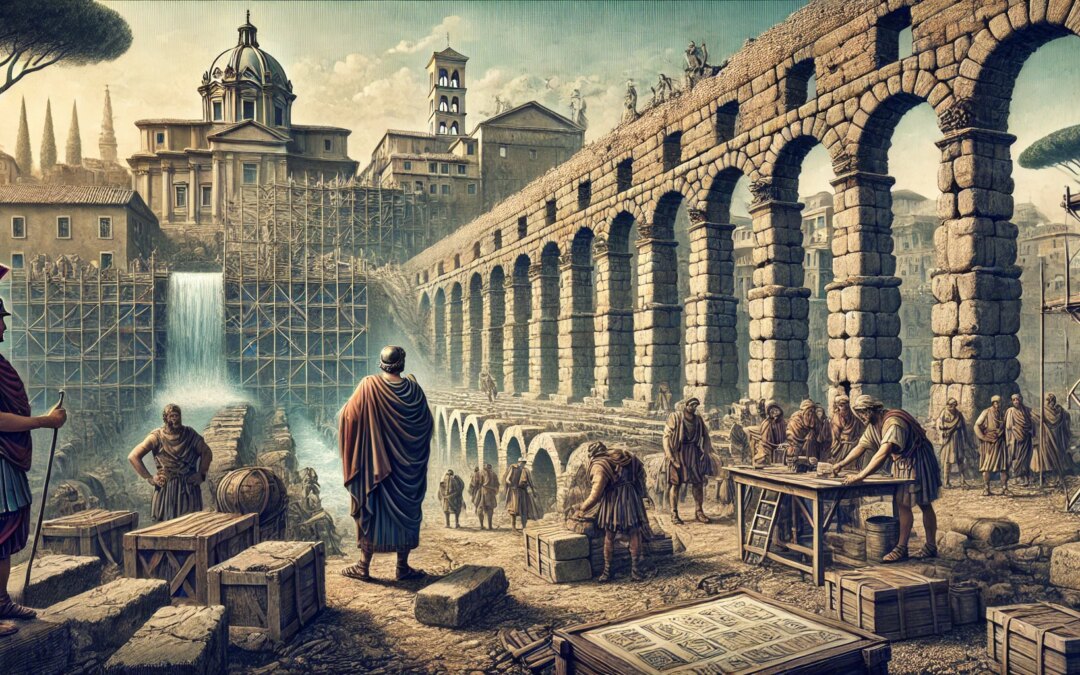
Built under Emperor Claudius in the 1st century CE, the Aqua Claudia was one of Rome’s most impressive aqueducts, supplying water to the capital.