In the 5th century BCE, Rome fought against the Etruscans in a battle for survival, shaping the early Republic’s military and political strength.
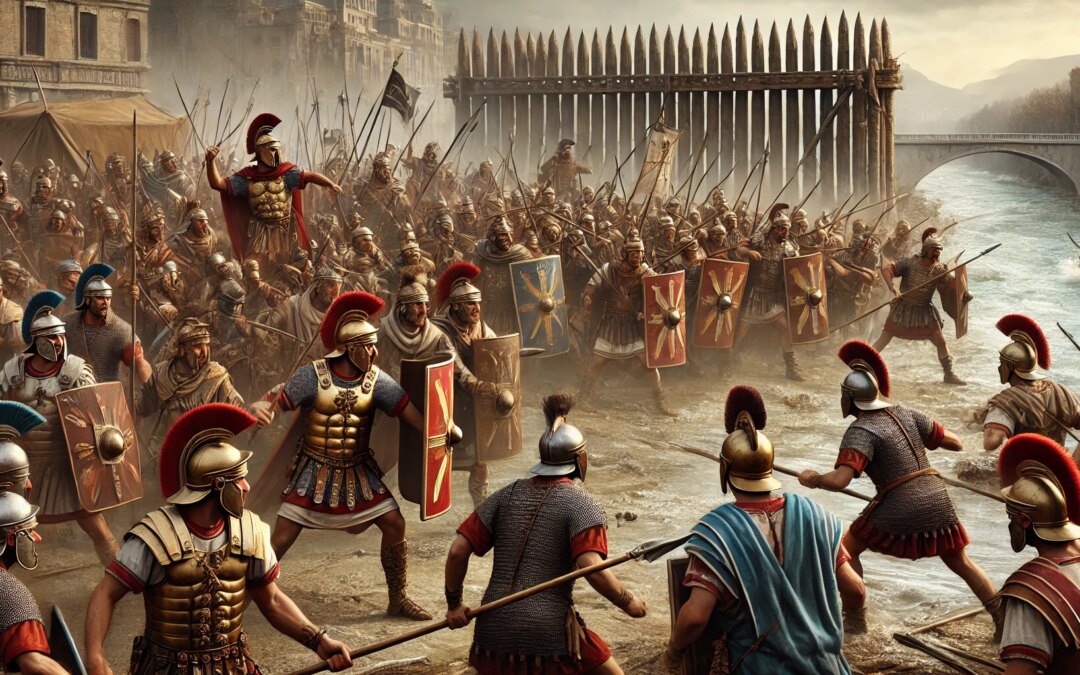
Rome vs. the Etruscans: The Early Struggles of the Republic
read more

In the 5th century BCE, Rome fought against the Etruscans in a battle for survival, shaping the early Republic’s military and political strength.
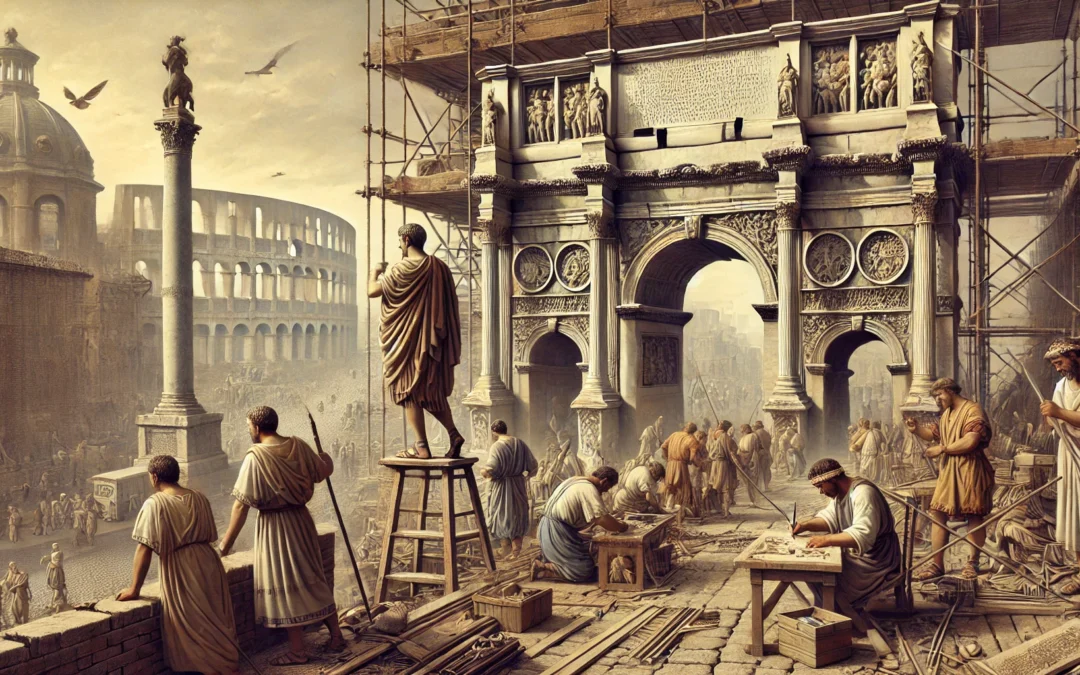
Built in 315 CE, the Arch of Constantine commemorates the emperor’s triumph and reflects Rome’s transition from paganism to Christianity.
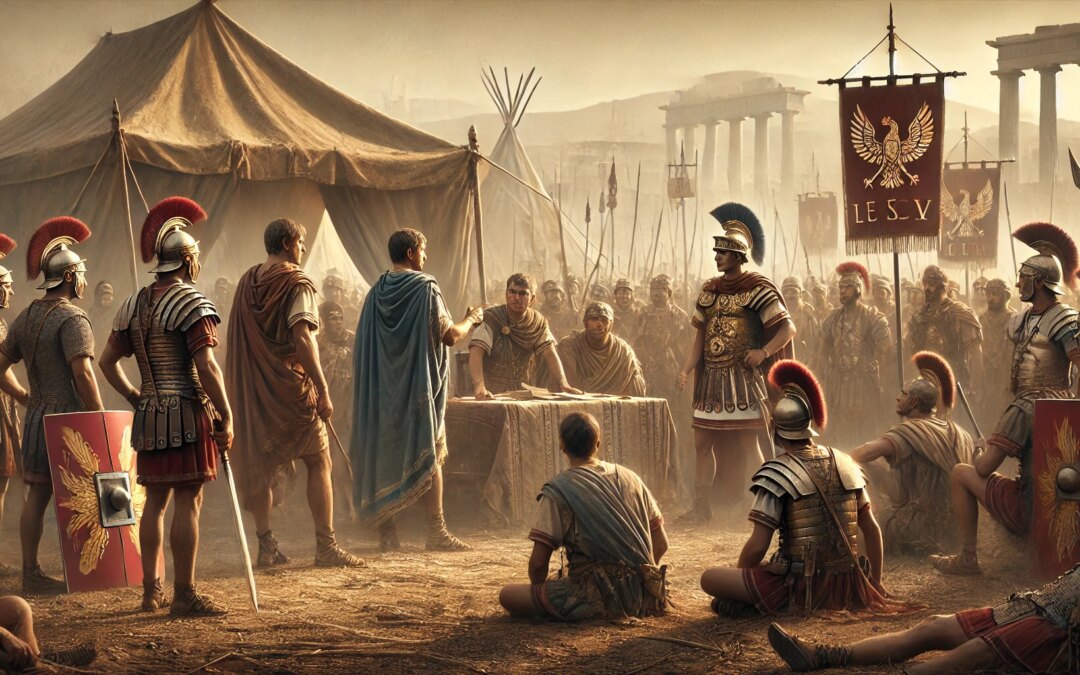
The Crisis of the Third Century (235–284 CE) saw Rome plagued by civil war, invasions, and economic turmoil, nearly leading to the empire’s downfall.
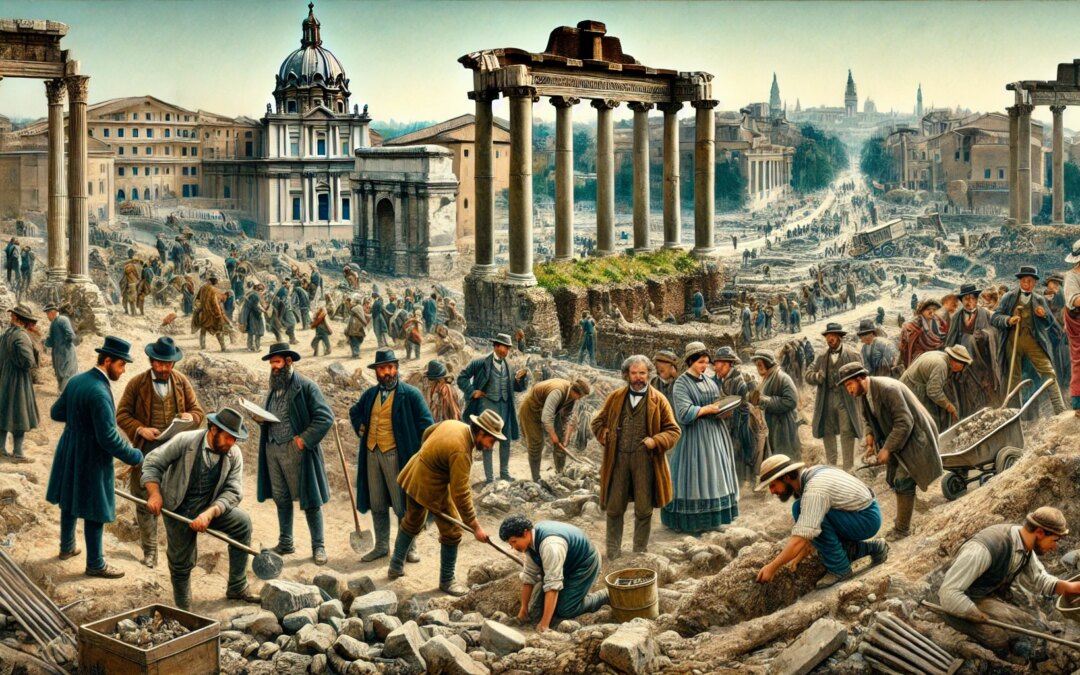
In the 19th century, systematic excavations of the Roman Forum and other sites sparked a new era of archaeological exploration in the Eternal City.
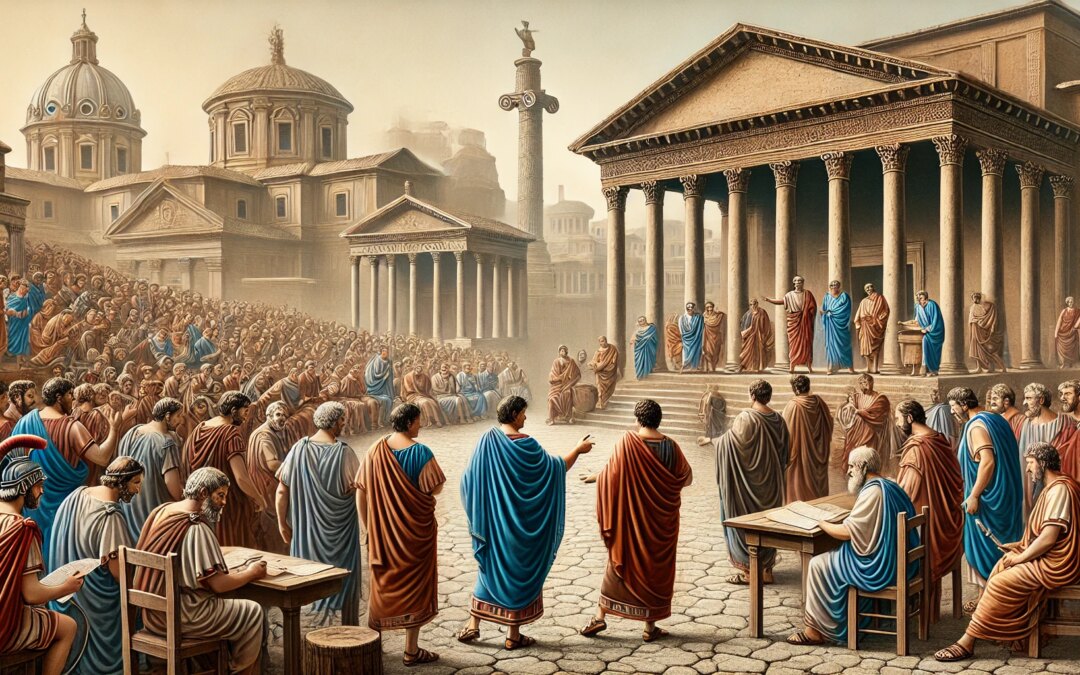
In the 5th century BCE, the Twelve Tables established the foundation of Roman law, shaping legal systems for centuries to come.
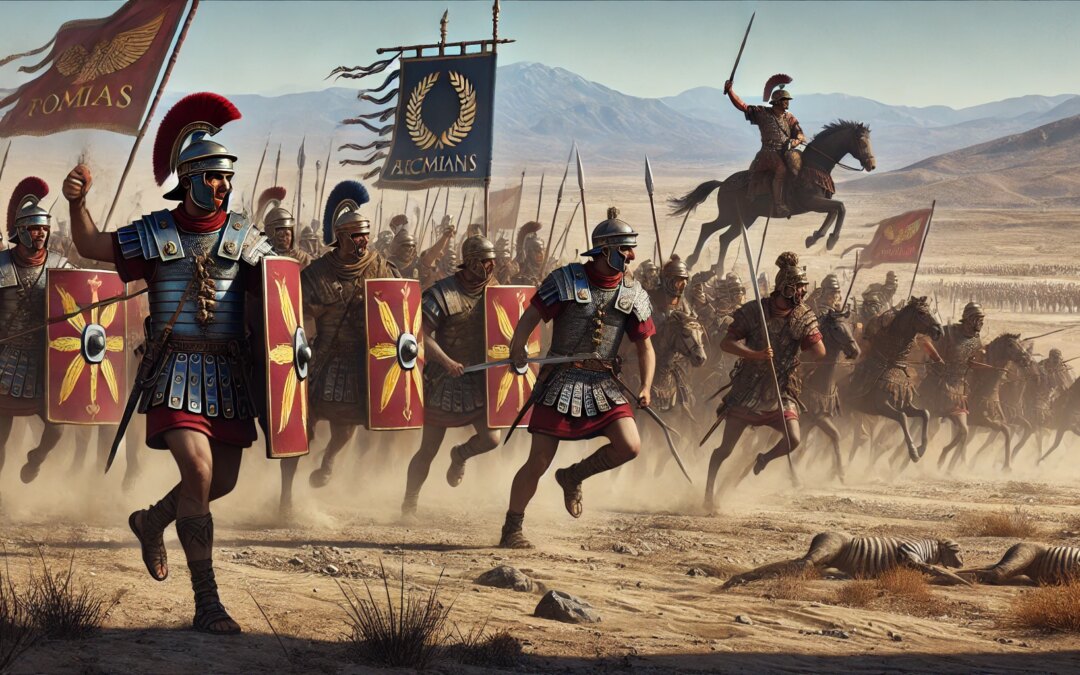
The Roman-Parthian Wars in the 2nd century CE saw Rome’s legions clash with Parthian cavalry in a brutal struggle for control over the East.
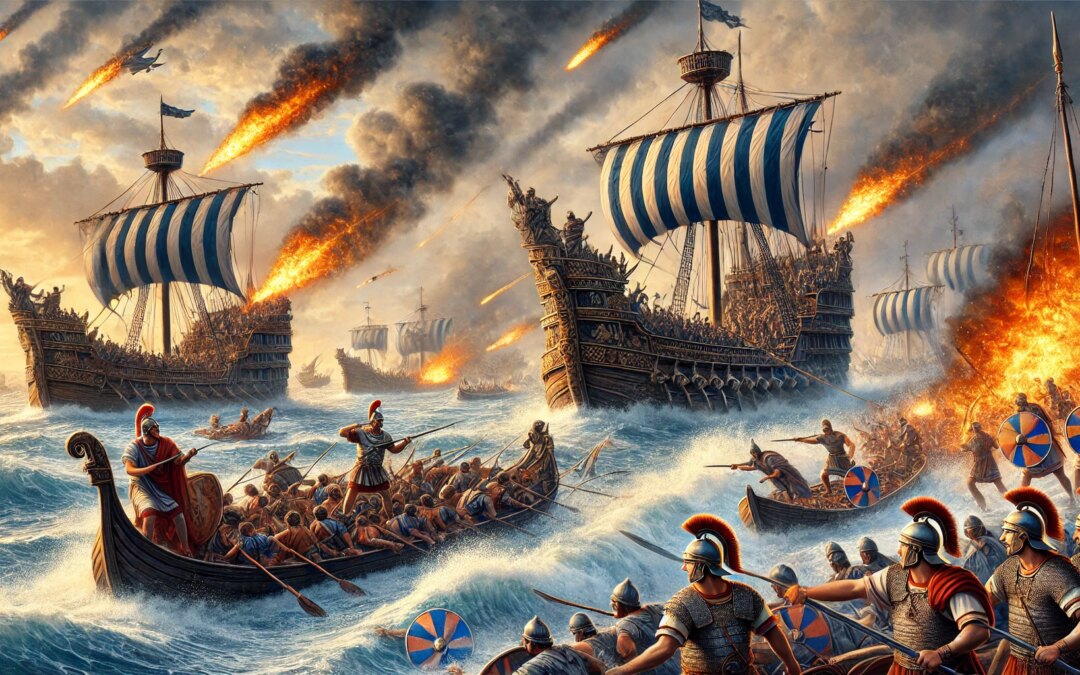
The First Punic War (264–241 BCE) saw Rome transform into a naval power, using innovative tactics to challenge Carthage’s dominance at sea.
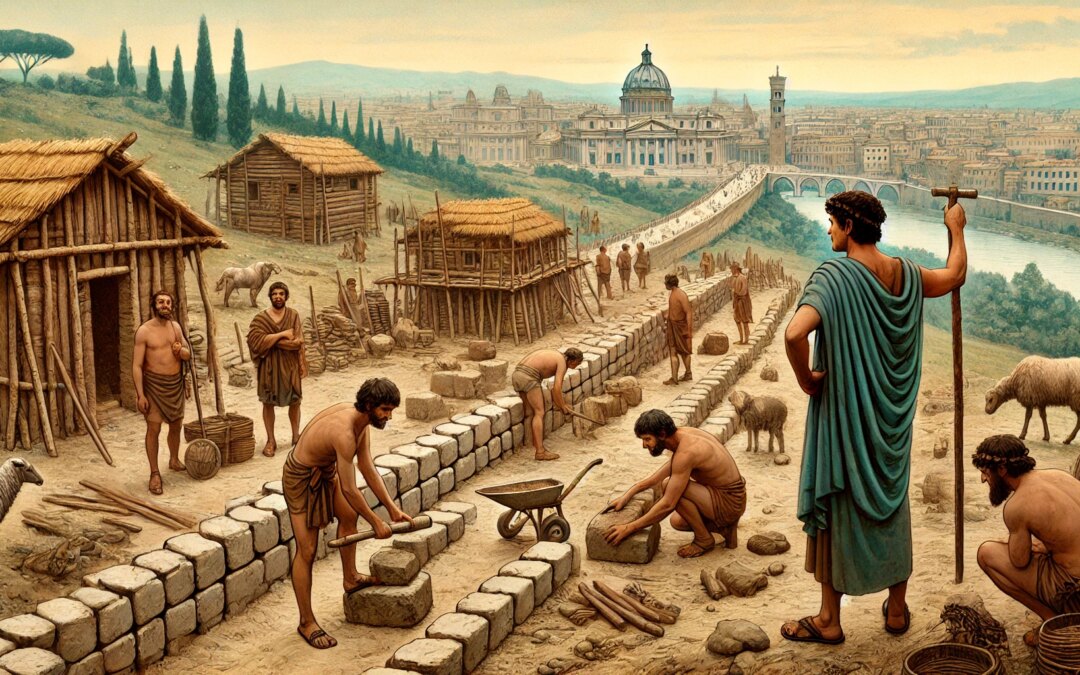
In the 8th century BCE, Romulus founded Rome on the Palatine Hill, marking the beginning of the city that would dominate the ancient world.
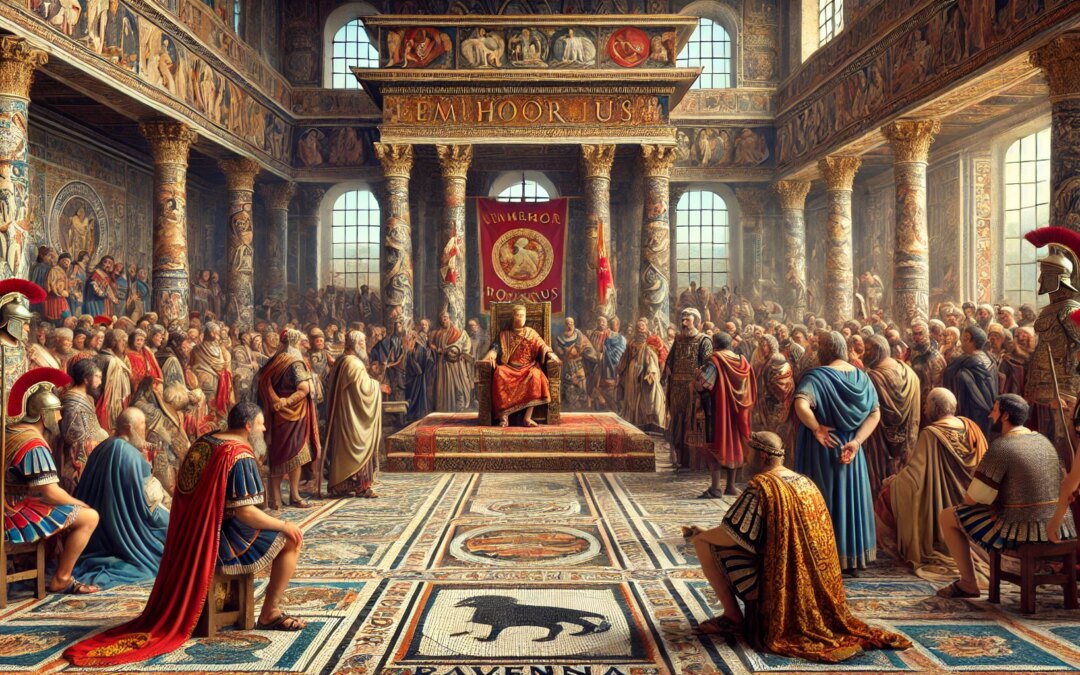
In the early 5th century, Emperor Honorius ruled from Ravenna as the Western Roman Empire faced growing instability and external threats.
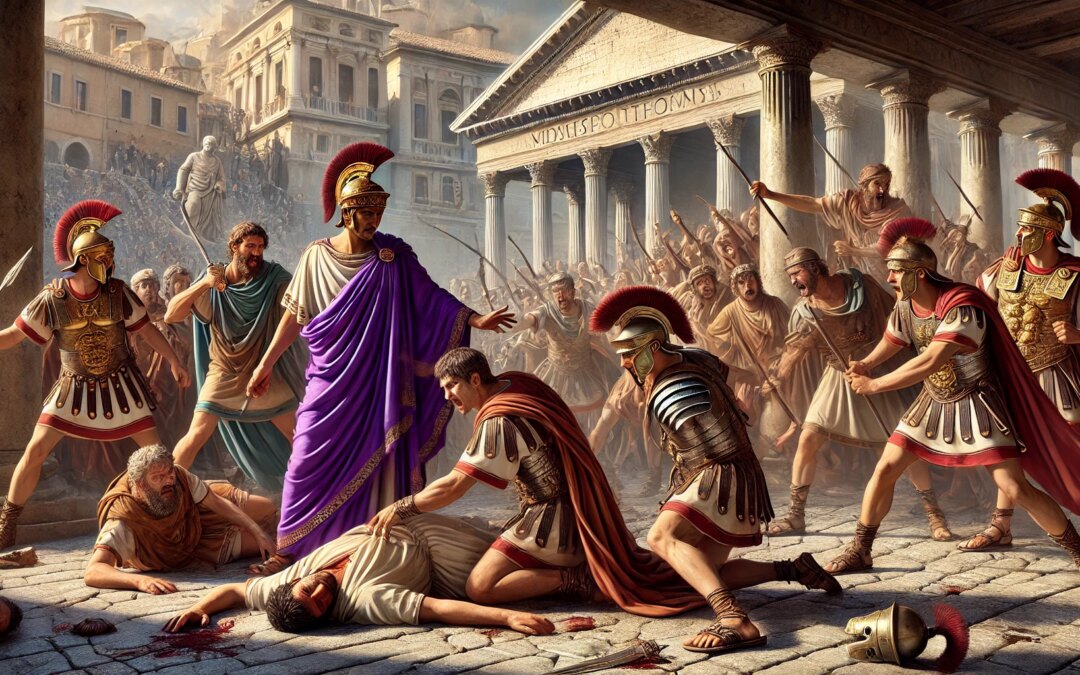
The assassination of Emperor Galba in 69 CE marked the beginning of Rome’s chaotic Year of the Four Emperors, plunging the empire into turmoil.