The Via Appia, built in 312 BCE, was Rome’s first major road, revolutionizing transportation and military logistics across the Republic.
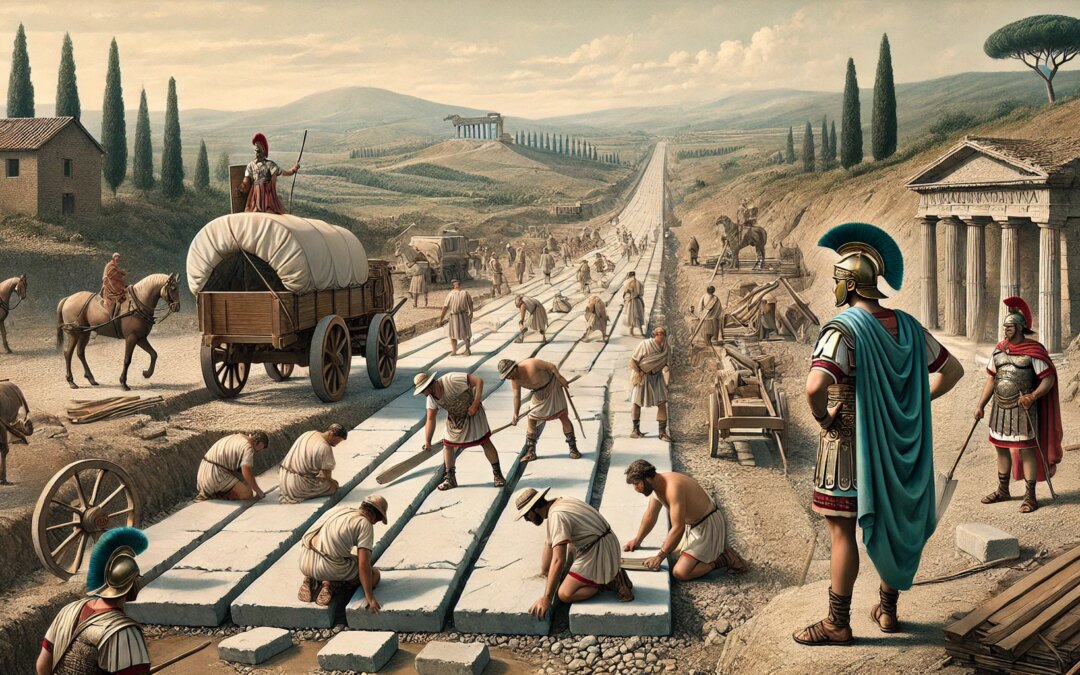
Building the Via Appia: Rome’s First Great Road
read more

The Via Appia, built in 312 BCE, was Rome’s first major road, revolutionizing transportation and military logistics across the Republic.
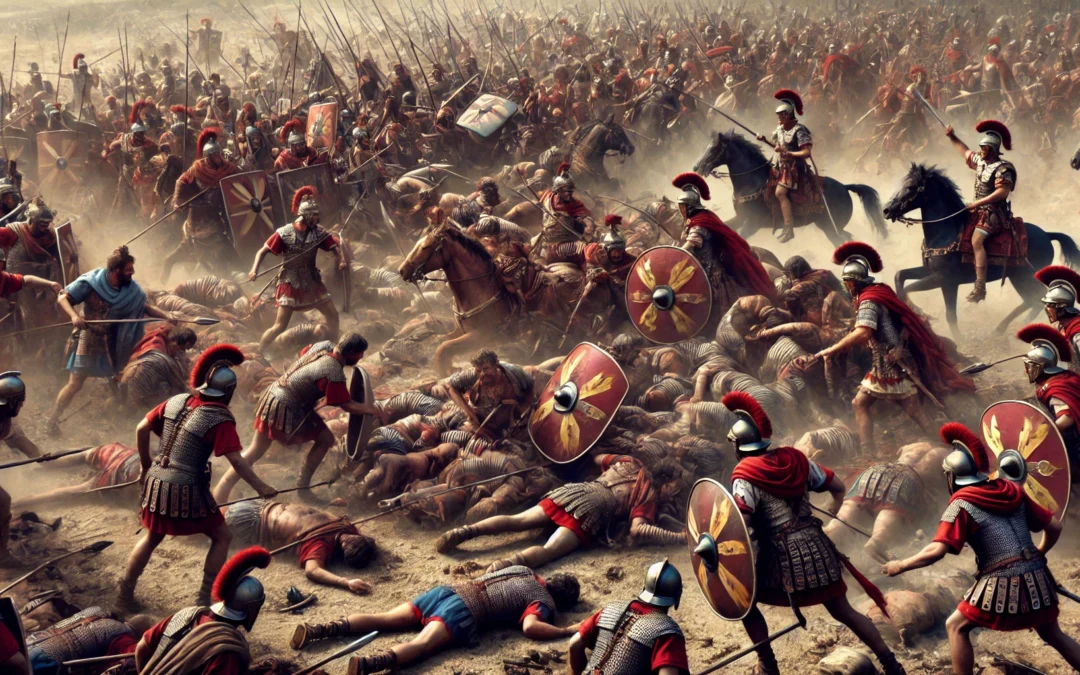
The Battle of Cannae in 216 BCE saw Hannibal’s Carthaginian forces annihilate a massive Roman army in one of history’s most devastating defeats.
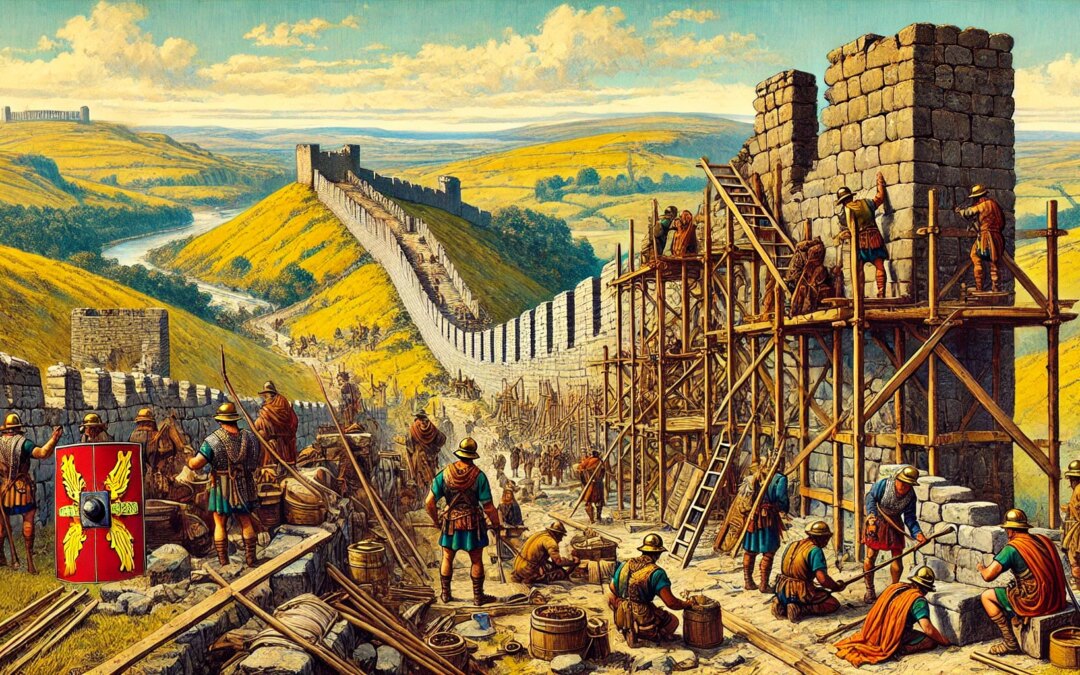
Built in 122 AD under Emperor Hadrian, Hadrian’s Wall secured Rome’s northernmost frontier in Britain, marking the empire’s limits.
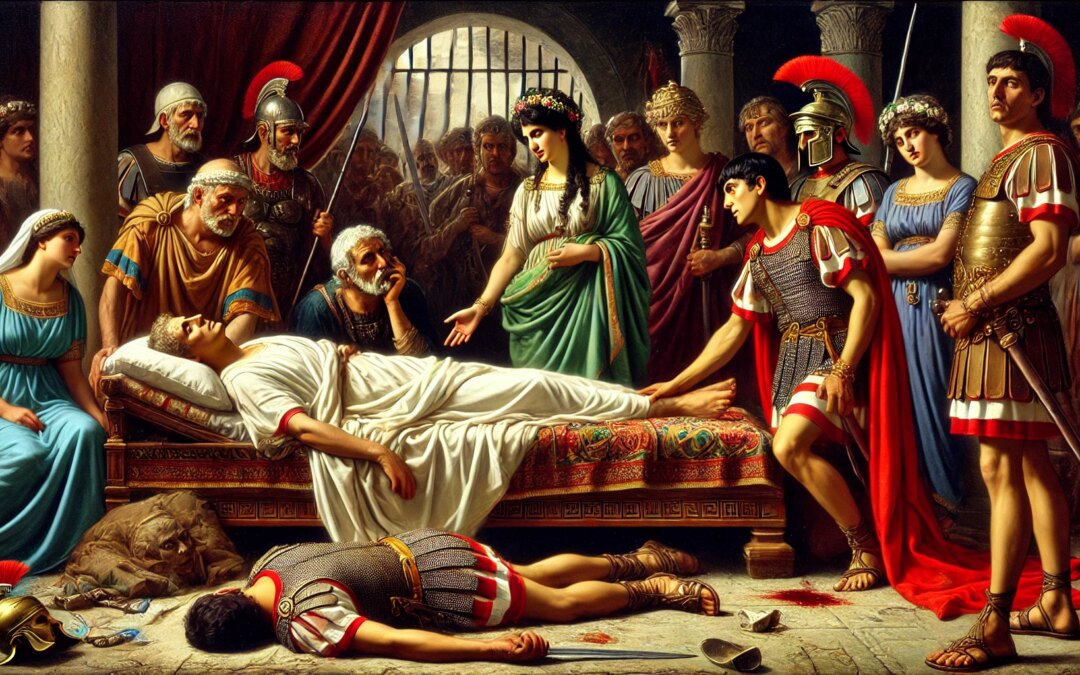
In 19 AD, the sudden death of Germanicus in Antioch shocked Rome, fueling suspicions of poisoning and imperial conspiracy.
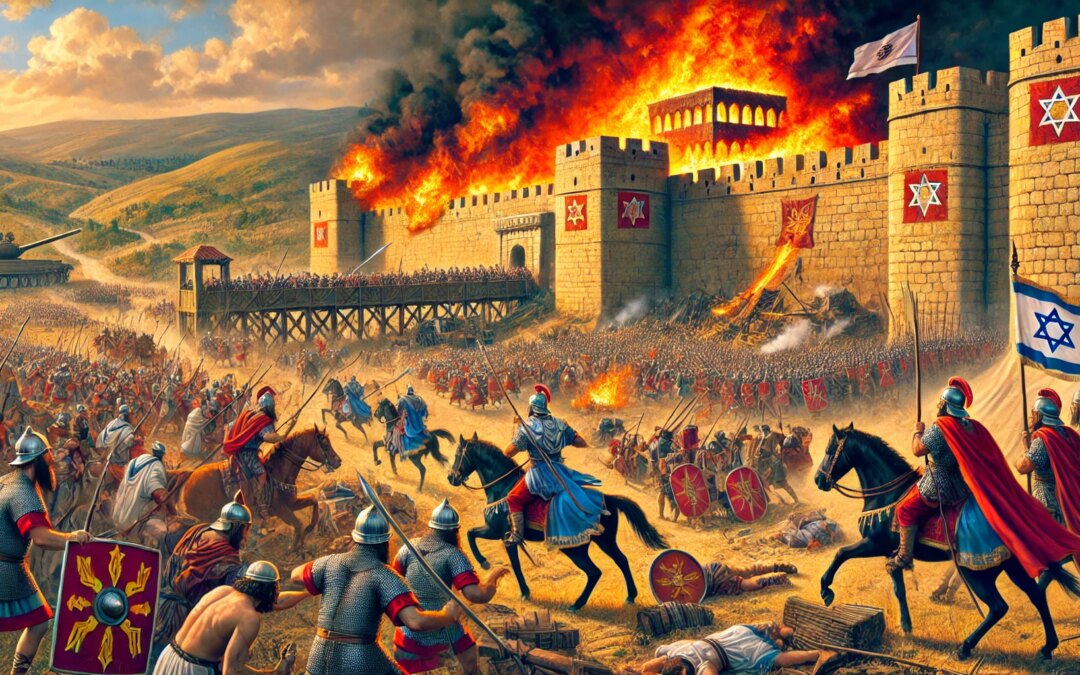
In 70 AD, the Roman army, led by Titus, besieged Jerusalem, destroying the Second Temple and ending the Jewish Revolt.
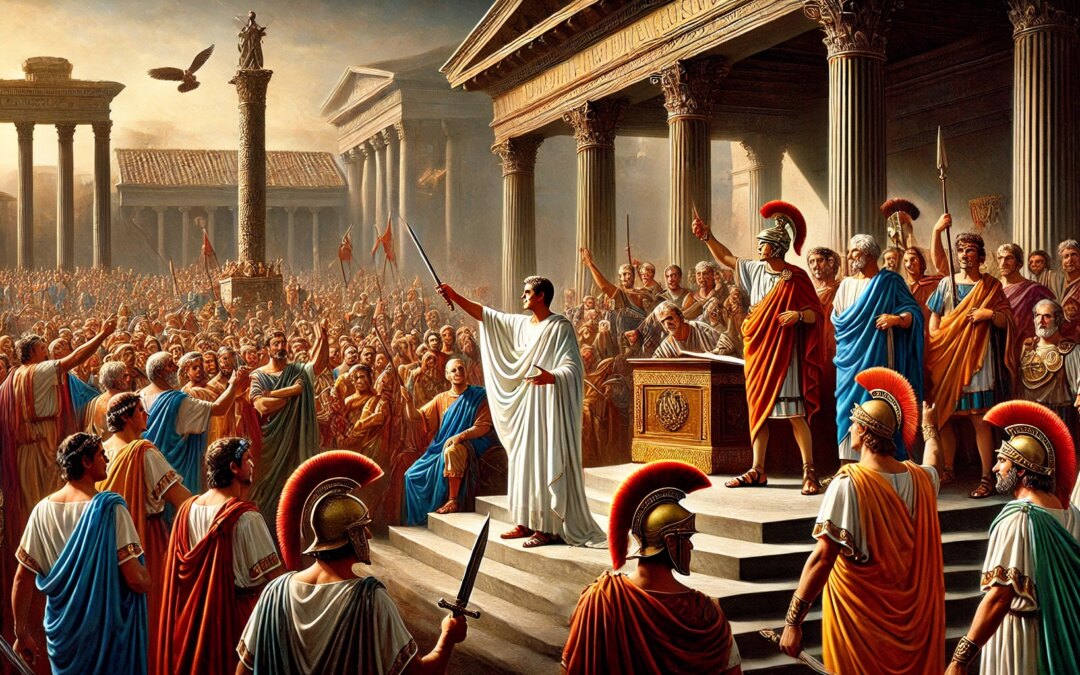
In 509 BC, Rome expelled its last king, Tarquin the Proud, establishing the Roman Republic and a new era of governance.
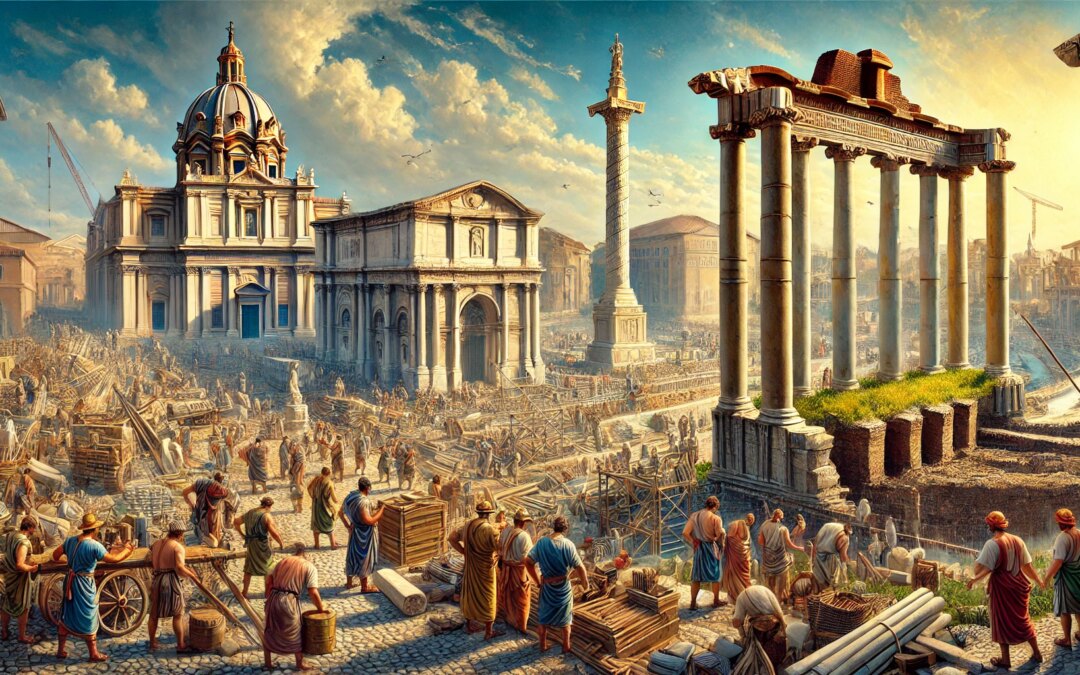
Built in 112 AD, Trajan’s Forum was the largest and most ambitious of Rome’s imperial forums, symbolizing the height of Roman engineering and power.
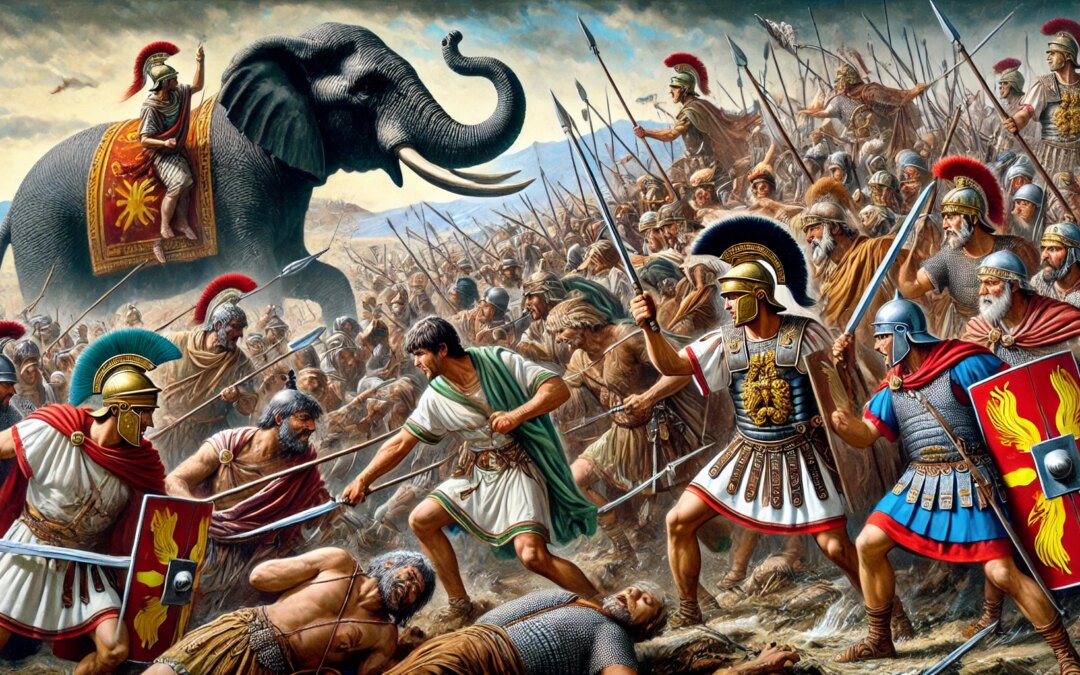
In 295 BC, the Battle of Sentinum saw Rome defeat a coalition of Samnites and Gauls, securing dominance over central Italy.
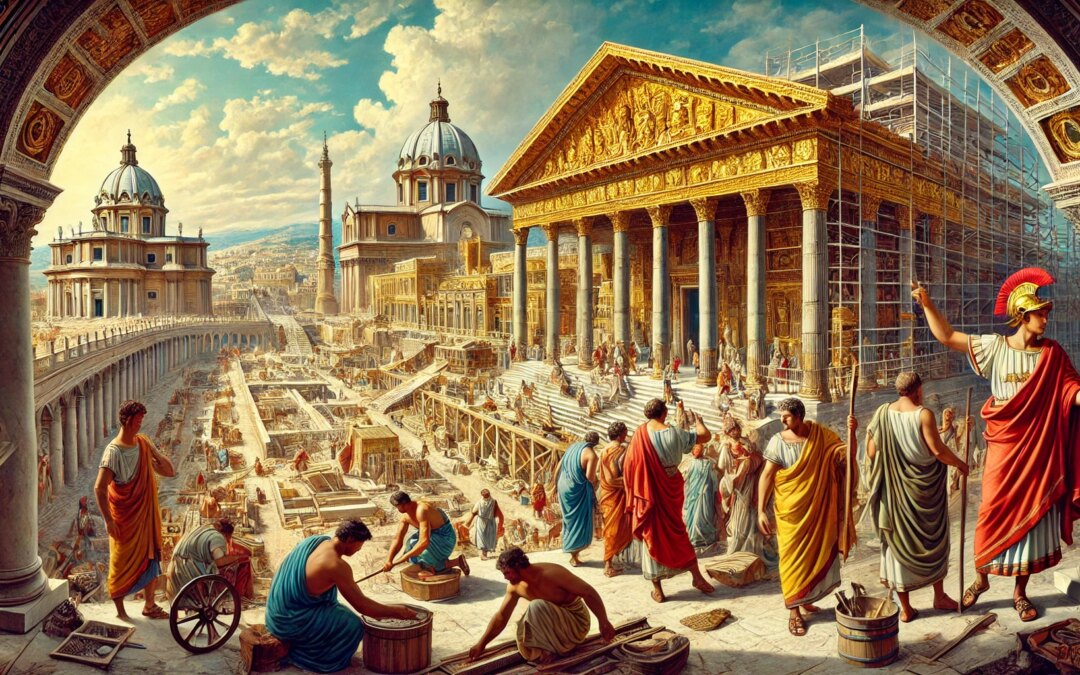
After the Great Fire of Rome in 64 AD, Emperor Nero built the Domus Aurea, a lavish palace that symbolized his reign and sparked outrage.
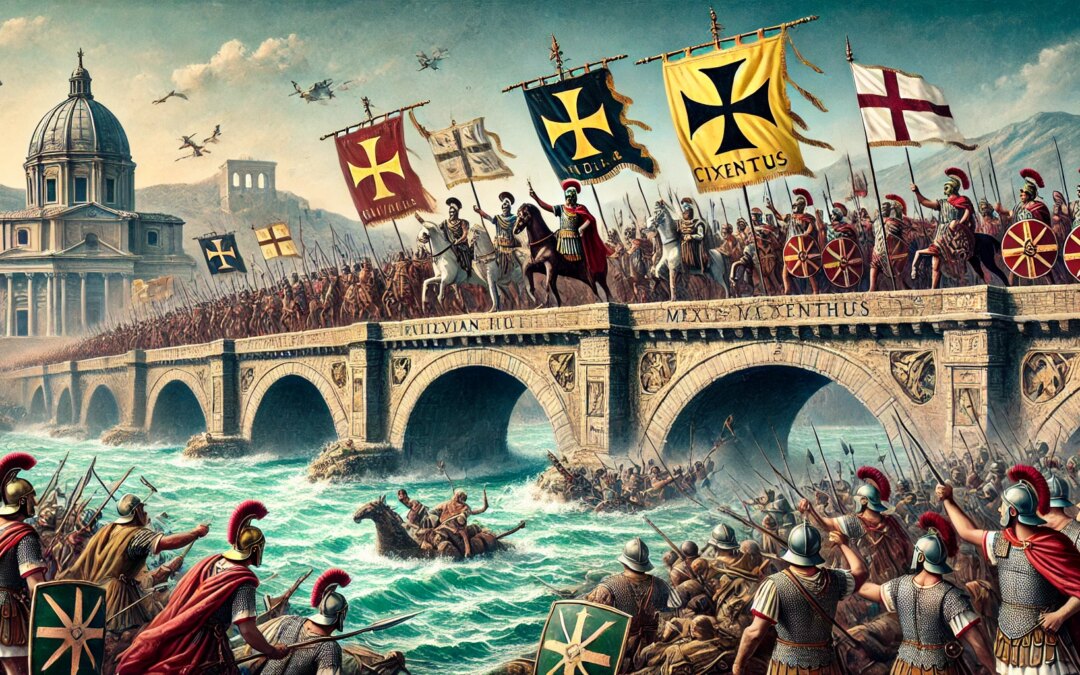
In 312 AD, Constantine defeated Maxentius at the Battle of the Milvian Bridge, securing his rule and shaping the future of Christianity in Rome.