Explore how Emperor Aurelian’s defensive walls redefined the security of Rome during the 3rd century crisis.
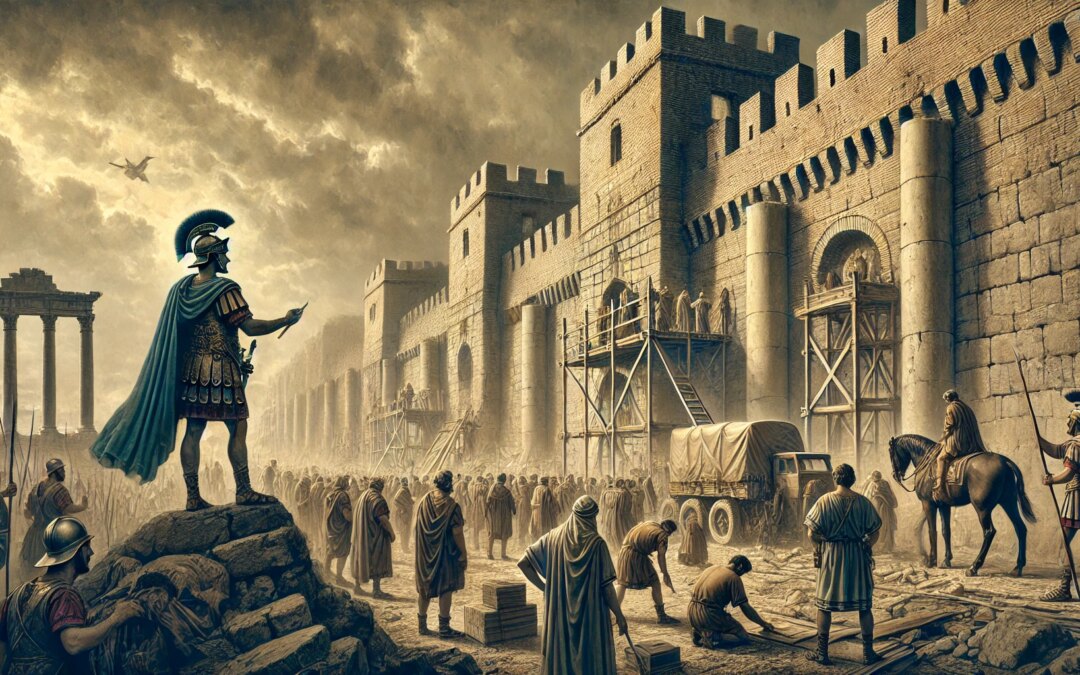
Aurelian’s Walls: Defending a Fading Empire with Stone
read more

Explore how Emperor Aurelian’s defensive walls redefined the security of Rome during the 3rd century crisis.
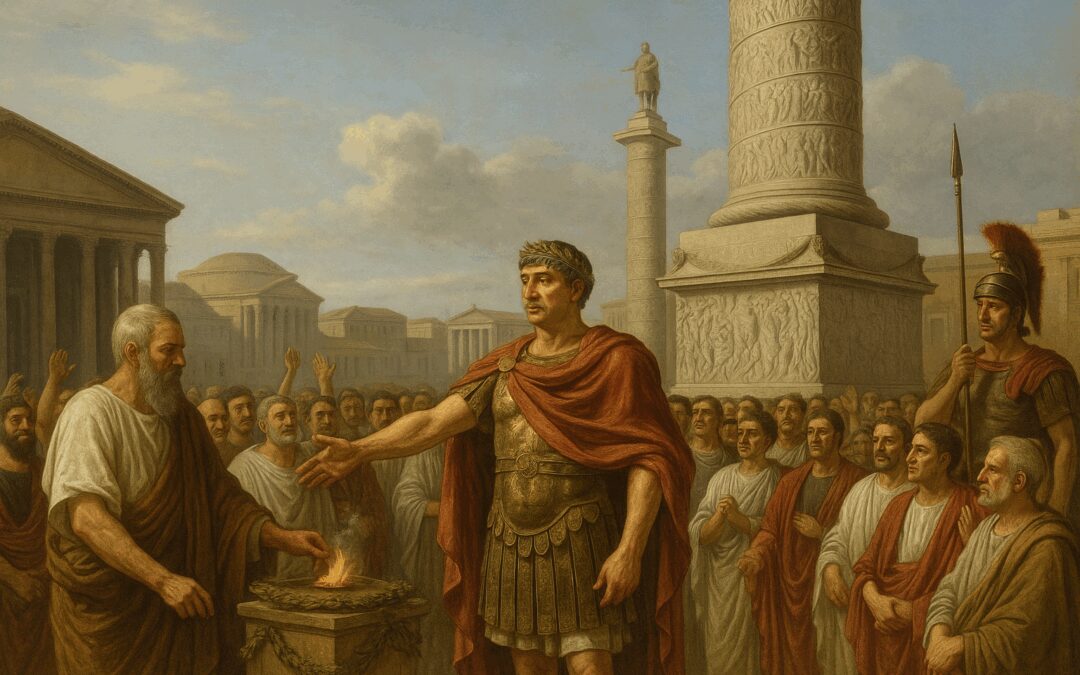
In 113 AD, Emperor Trajan dedicated Trajan’s Column in Rome, celebrating his victories in Dacia and symbolizing imperial glory. Learn how this monumental structure reflected Rome’s power and architectural mastery.
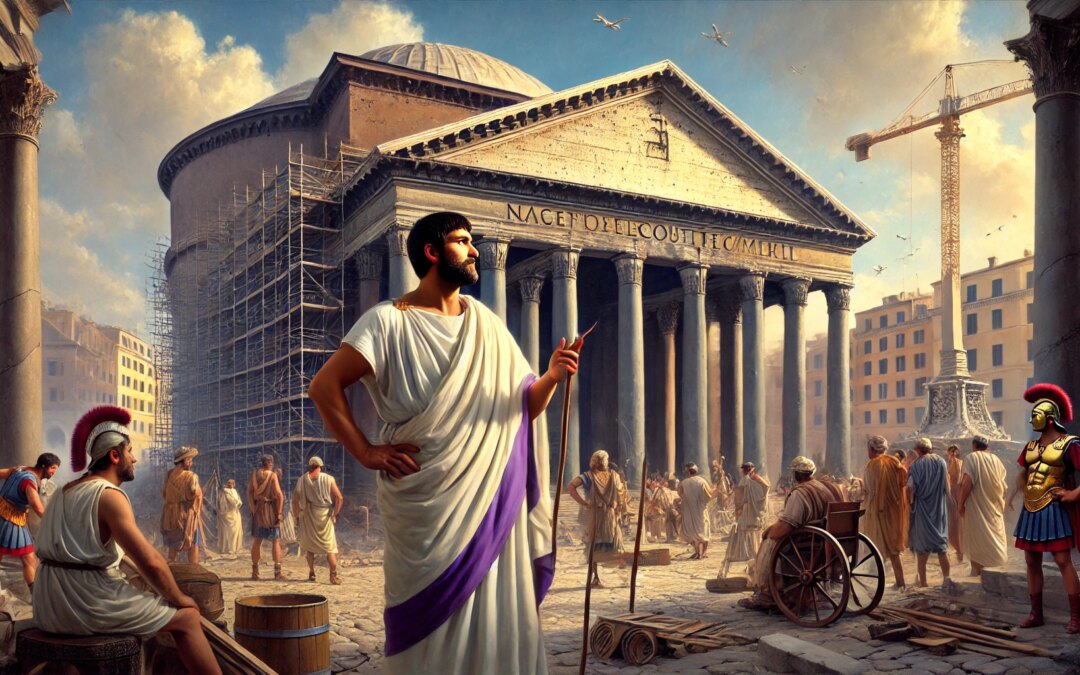
In 27 BC, Marcus Vipsanius Agrippa, right hand of Augustus, began constructing the original Pantheon—a symbol of imperial ambition and Roman engineering mastery.
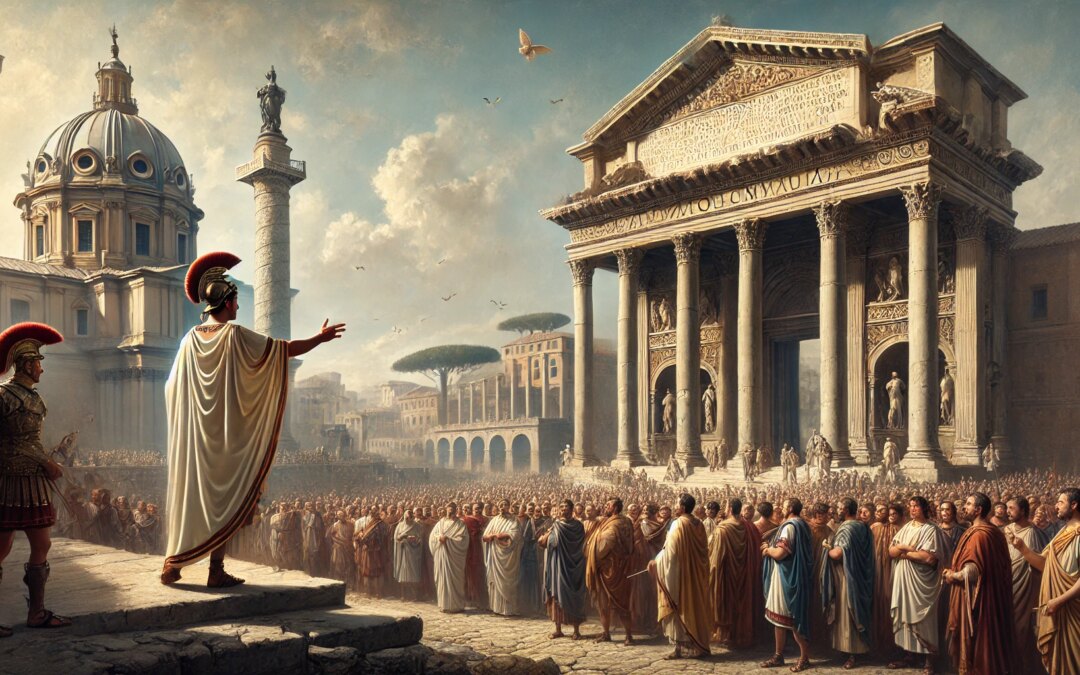
In 112 AD, Emperor Trajan inaugurated his monumental forum in Rome—an architectural masterpiece that symbolized the height of imperial power and Roman civic life.
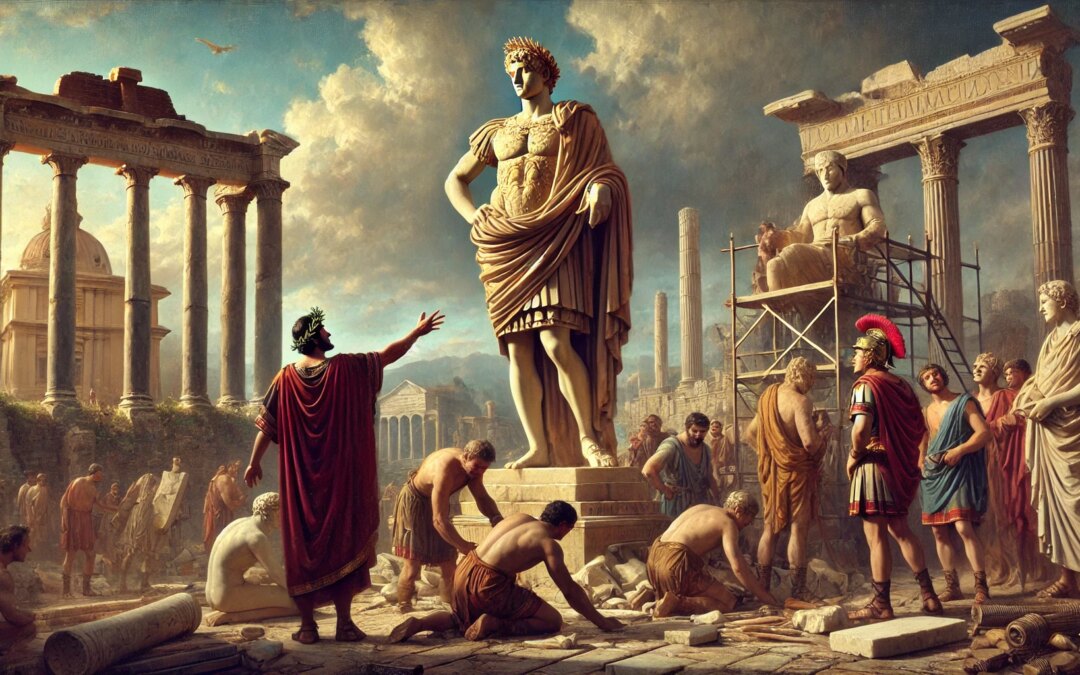
In 90 AD, Emperor Domitian commissioned a colossal statue of himself in the Roman Forum—a symbol of divine authority and imperial ambition that reflected the power and paranoia of his reign.
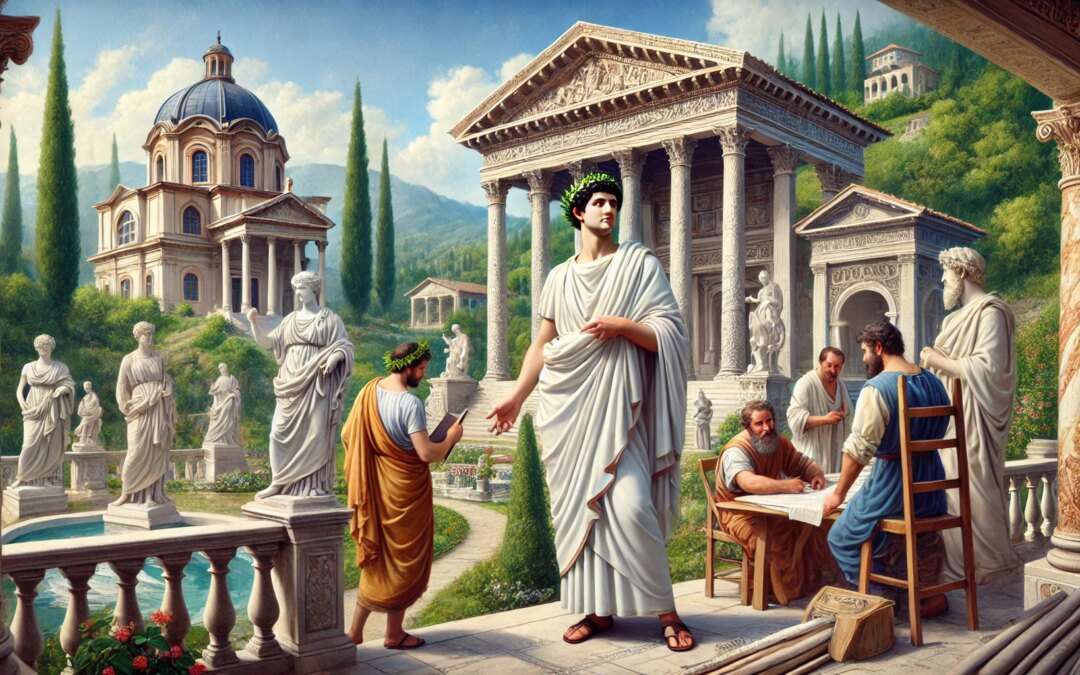
Around 125 AD, Emperor Hadrian began building a vast imperial villa at Tivoli—an architectural masterpiece that reflected his cosmopolitan vision and shaped Roman luxury for centuries.
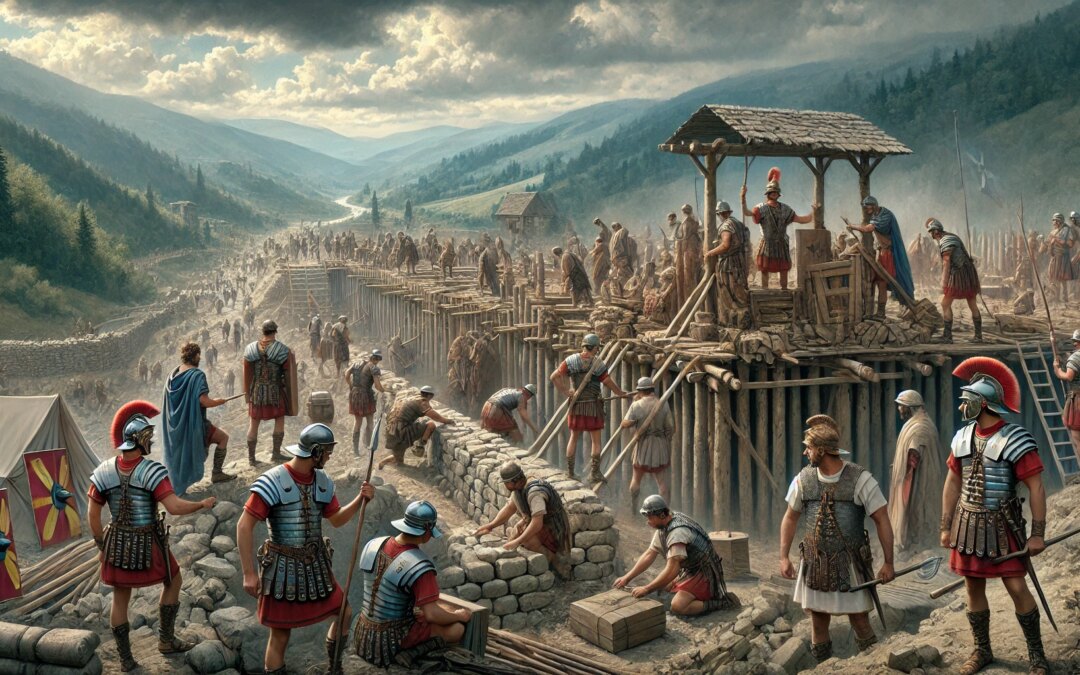
After the conquest of Dacia in 106 AD, Roman legions fortified the region with new military structures—consolidating control through engineering, infrastructure, and imperial presence.
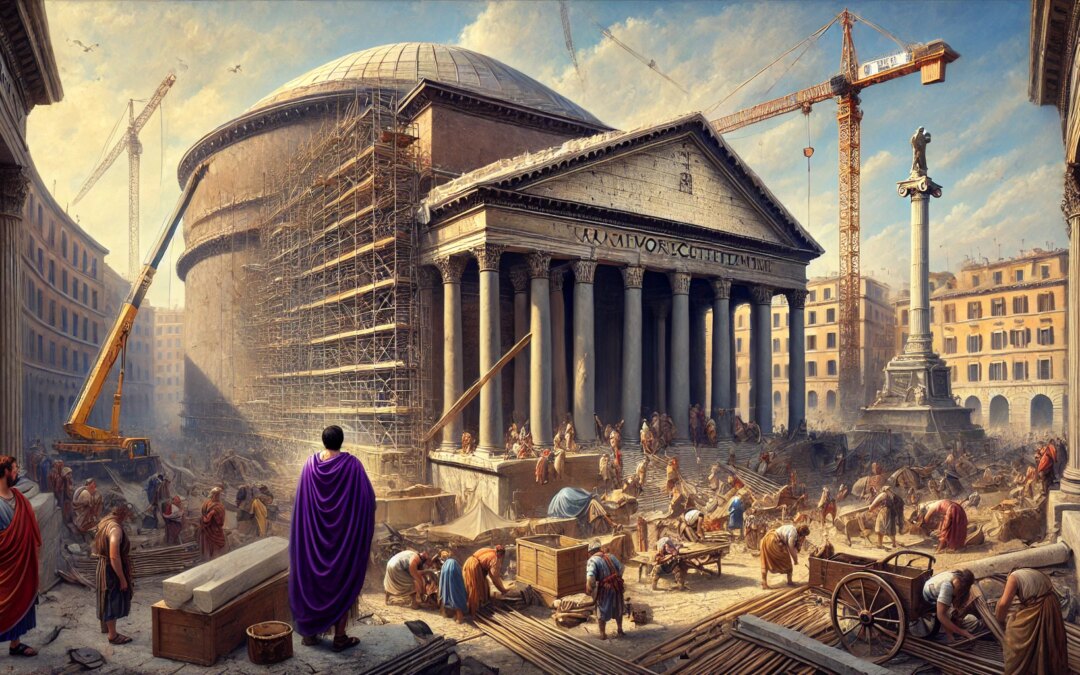
Explore the construction of the Pantheon in Rome under Emperor Hadrian, a marvel of ancient engineering and an enduring icon of imperial Roman architecture.
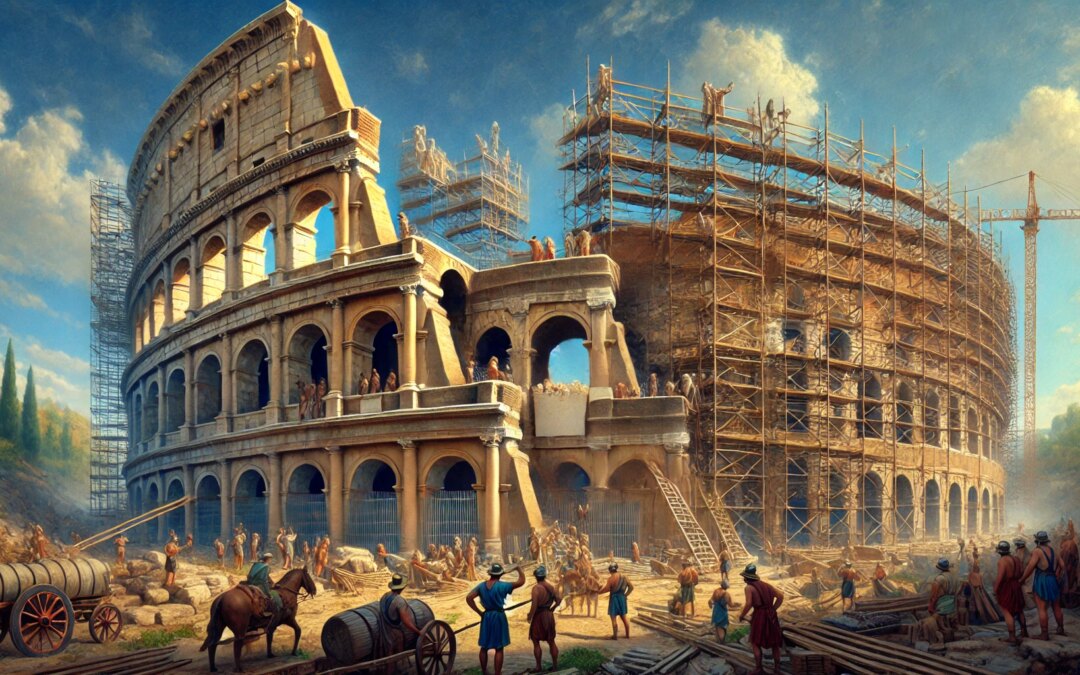
Explore the monumental construction of the Colosseum in ancient Rome under Emperor Vespasian, a marvel of engineering and a symbol of Roman power.
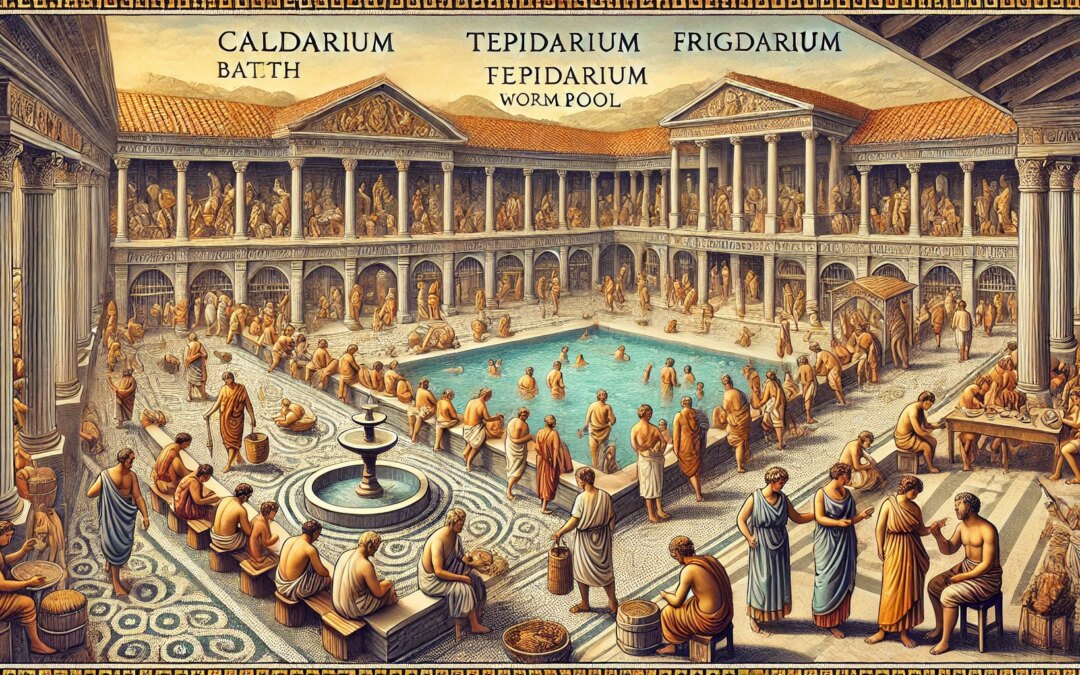
Step into a Roman thermae of the 1st century AD, where bathing, business, and social life merged under marble arches and steamy air.