Discover how Roman engineers designed and built bridges in the 1st century AD, using innovation and discipline to connect an empire.
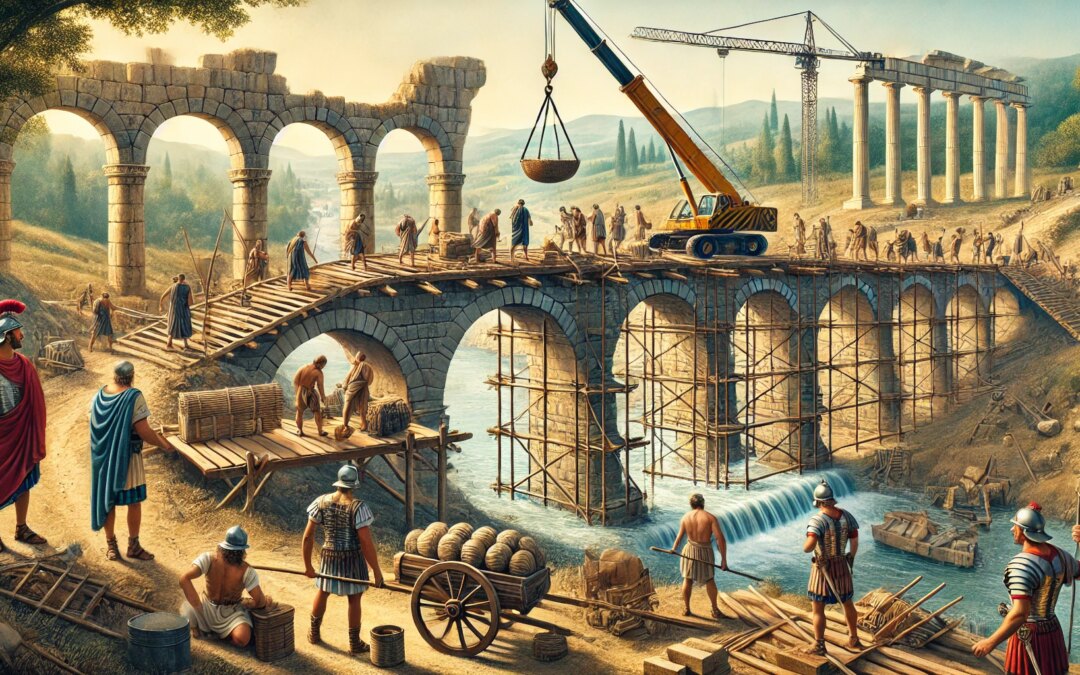
Spanning the Empire: Roman Bridge Building in the 1st Century AD
read more

Discover how Roman engineers designed and built bridges in the 1st century AD, using innovation and discipline to connect an empire.
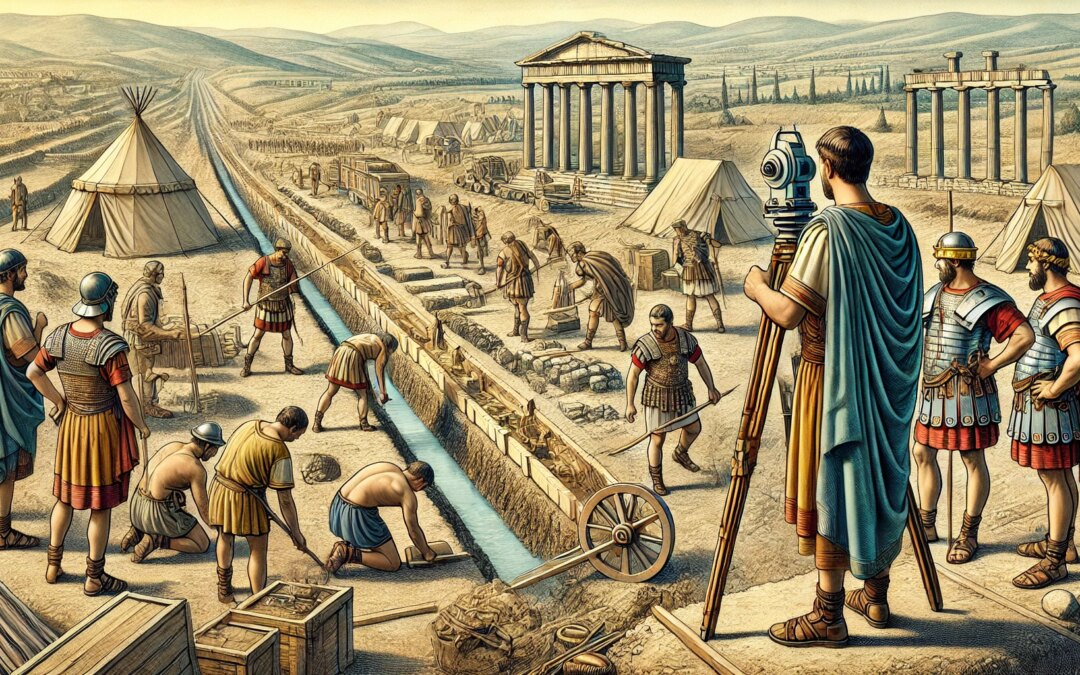
Discover how Roman engineers in the 1st century AD built aqueducts—marvels of ancient technology that revolutionized urban life.
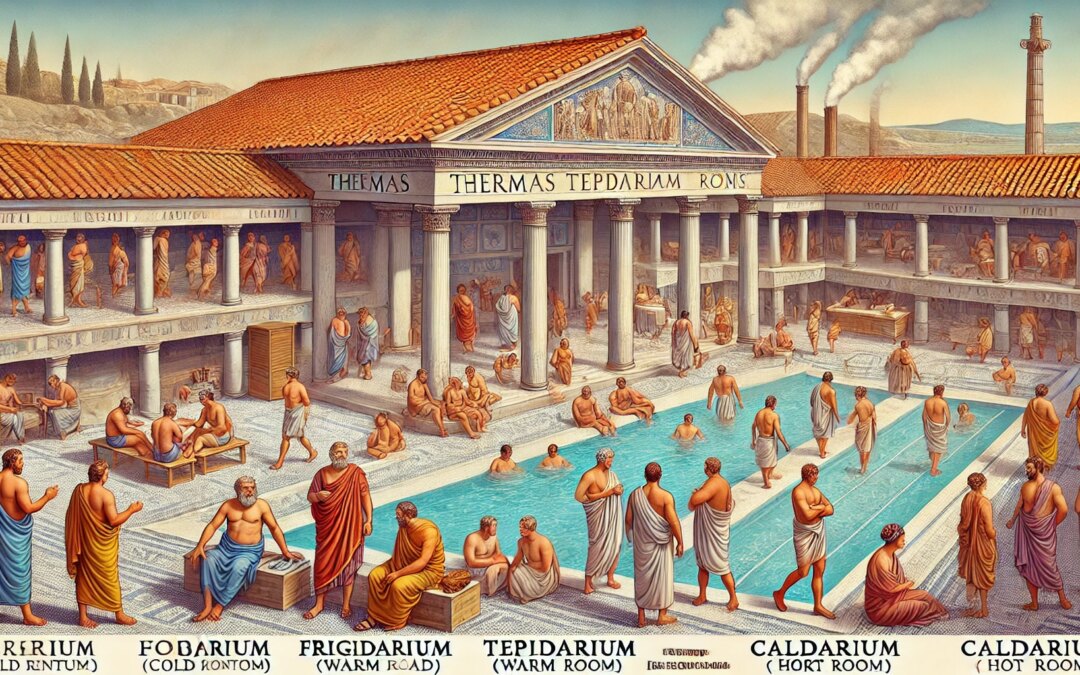
Explore the architecture, culture, and rituals of Roman bathhouses—centers of hygiene, leisure, and social life in the 2nd century AD.
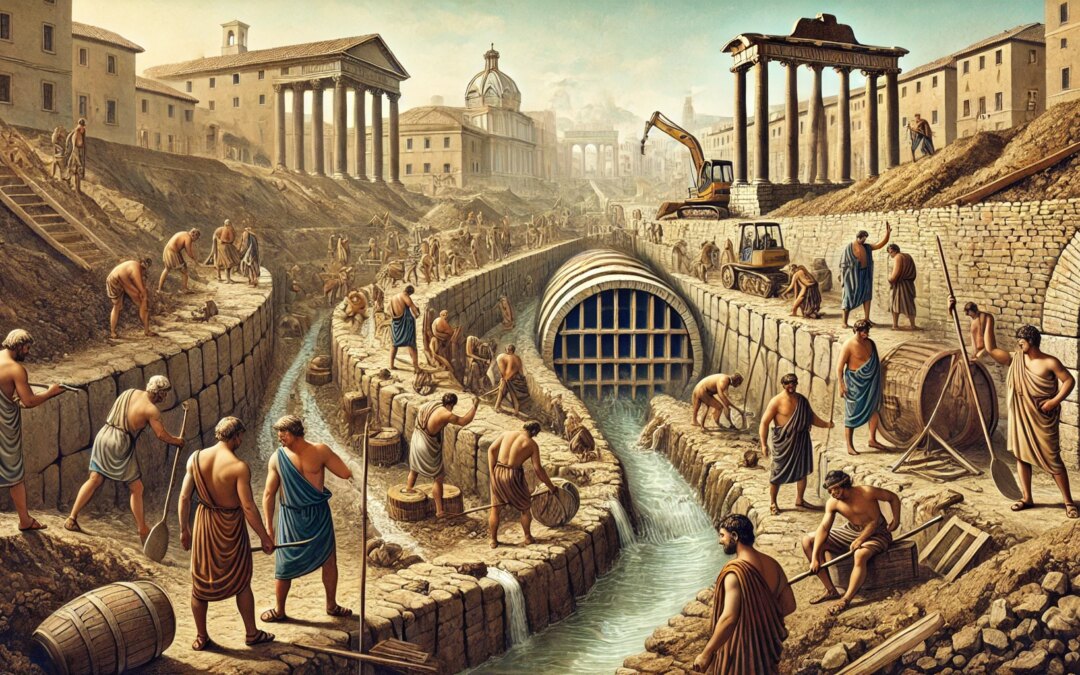
Built in the 6th century BCE, the Cloaca Maxima was Rome’s first major sewer—laying the groundwork for urban sanitation and engineering greatness.
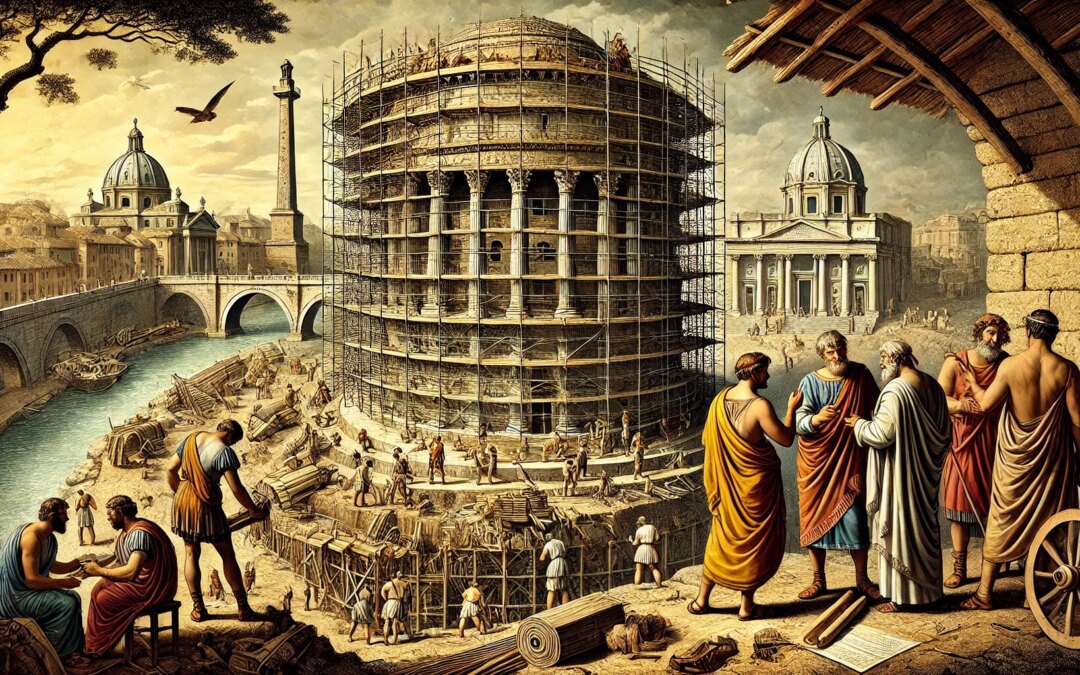
Hadrian’s Mausoleum, now Castel Sant’Angelo, was built as a grand imperial tomb and later transformed into a fortress shaping Rome’s history.
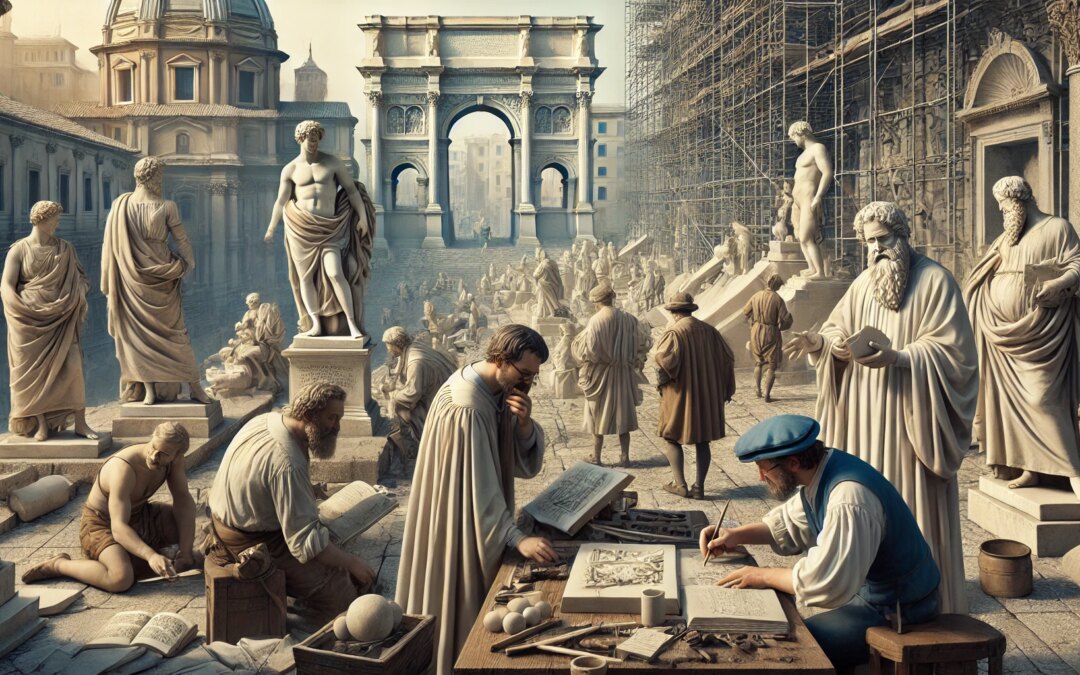
In the 15th century, Rome became the center of the Renaissance, as artists and architects restored its ancient splendor and reshaped the city’s identity.

In the 18th century, Rome became a key destination for European aristocrats on the Grand Tour, shaping cultural and artistic appreciation of antiquity.
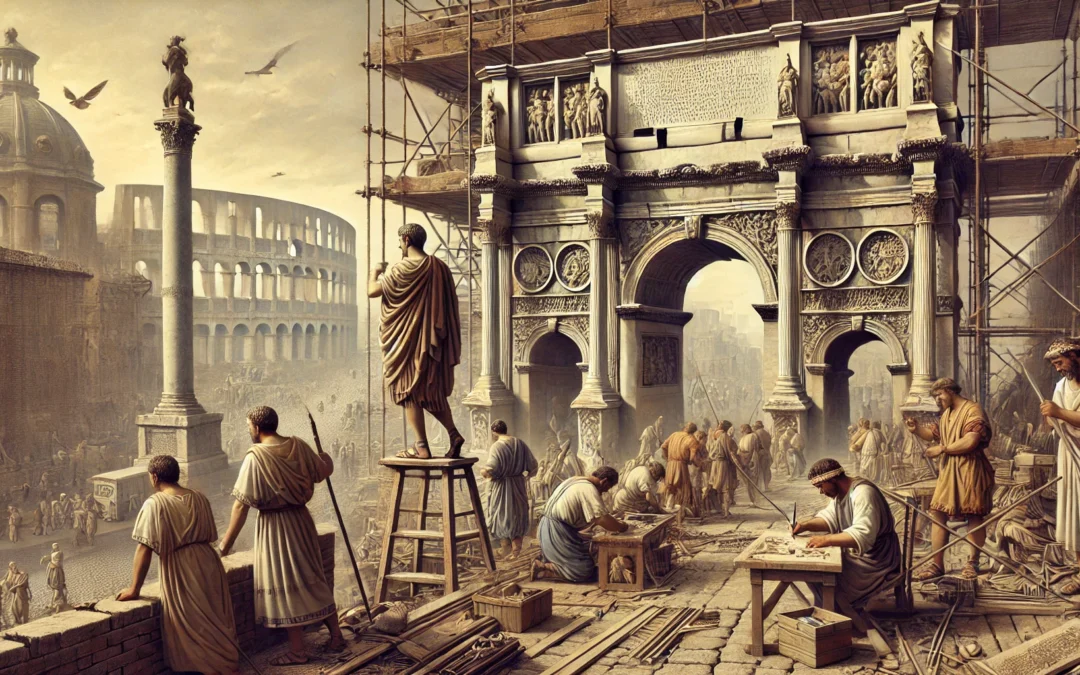
Built in 315 CE, the Arch of Constantine commemorates the emperor’s triumph and reflects Rome’s transition from paganism to Christianity.
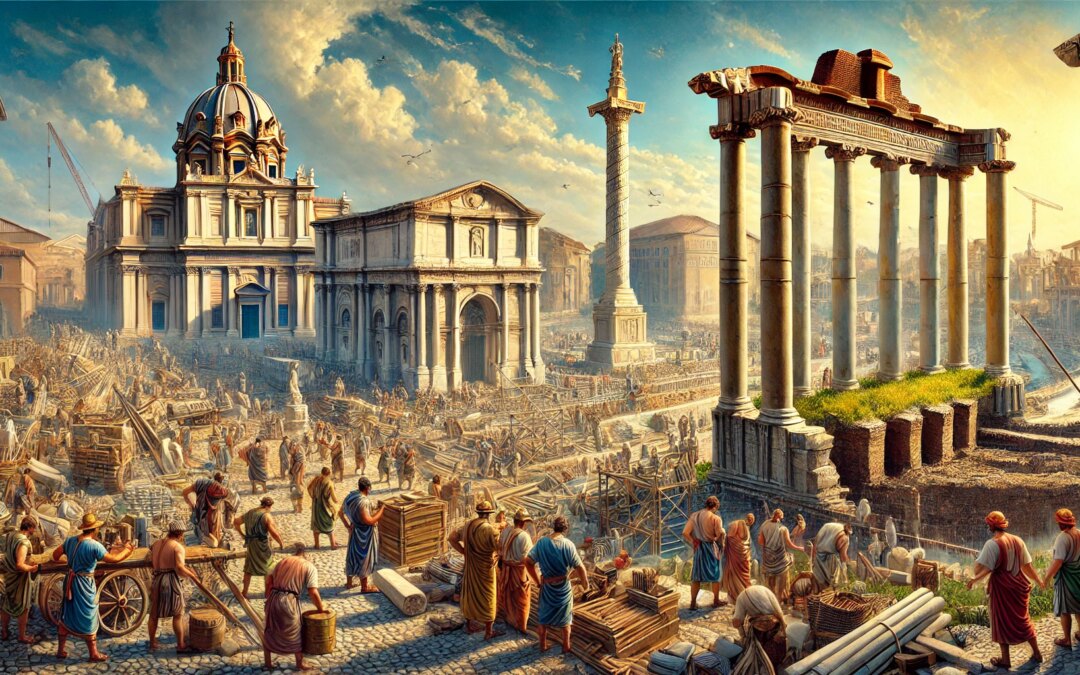
Built in 112 AD, Trajan’s Forum was the largest and most ambitious of Rome’s imperial forums, symbolizing the height of Roman engineering and power.
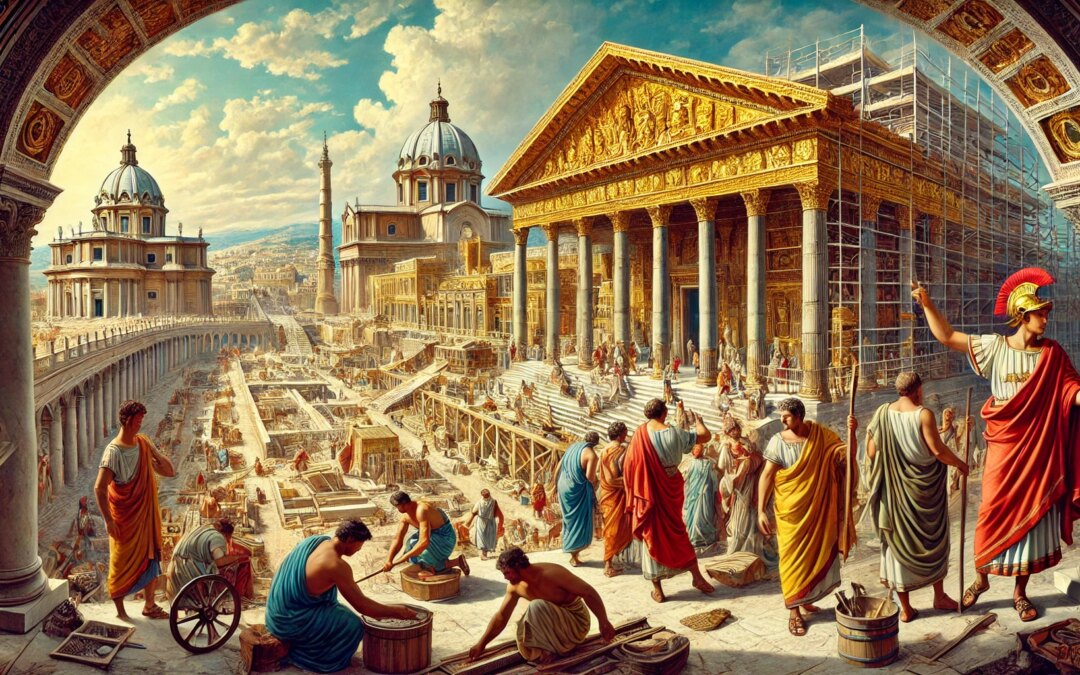
After the Great Fire of Rome in 64 AD, Emperor Nero built the Domus Aurea, a lavish palace that symbolized his reign and sparked outrage.