Emperor Valentinian I died of a stroke in 375 AD during a fiery confrontation with Alemannic envoys—ending a reign of military might and reform.
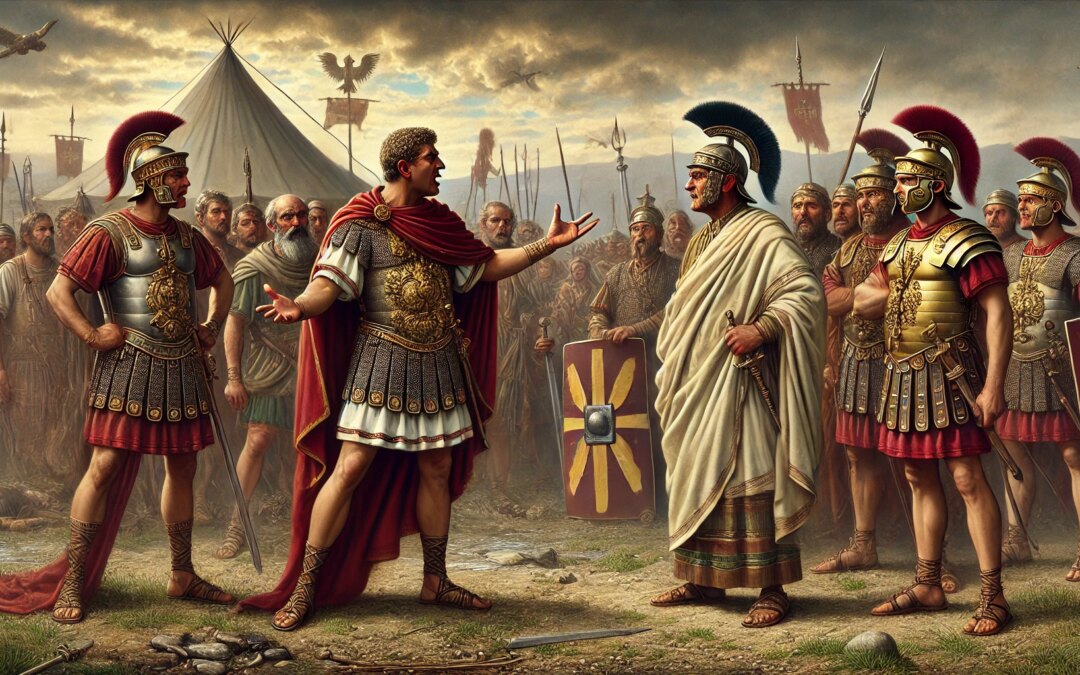
The Death of Emperor Valentinian I: Rage, Diplomacy, and the End of a Reign
read more

Emperor Valentinian I died of a stroke in 375 AD during a fiery confrontation with Alemannic envoys—ending a reign of military might and reform.
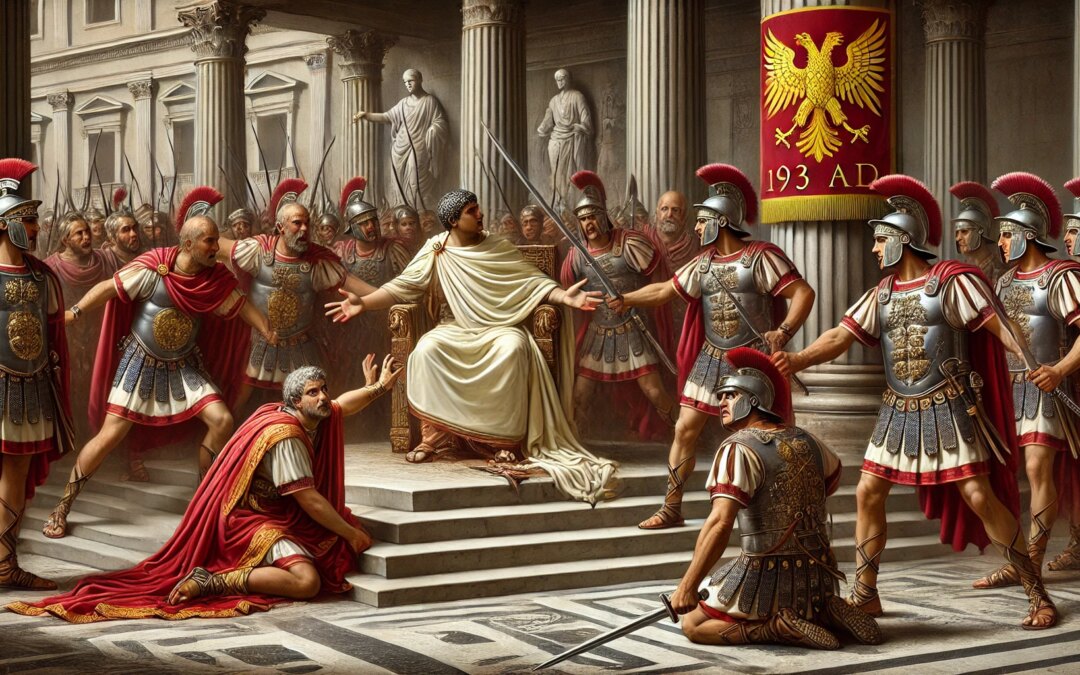
In 193 AD, Emperor Pertinax was assassinated by the Praetorian Guard—an event that exposed the fragility of imperial power in Rome.
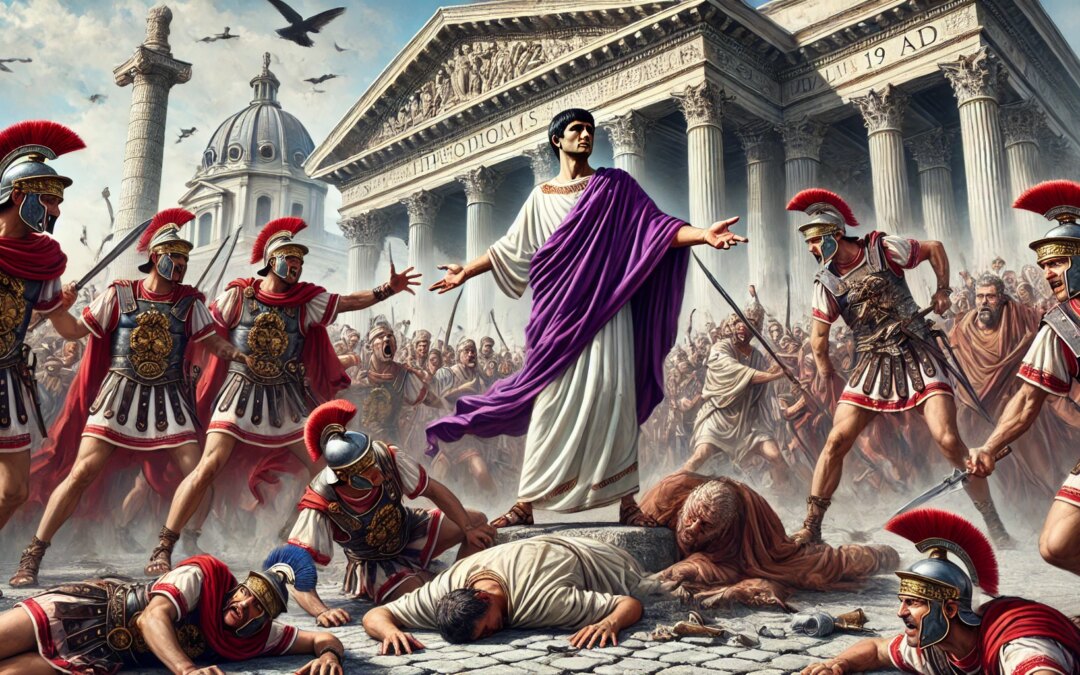
In 193 AD, Emperor Pertinax was assassinated by the Praetorian Guard after a brief rule, triggering the infamous Year of the Five Emperors.
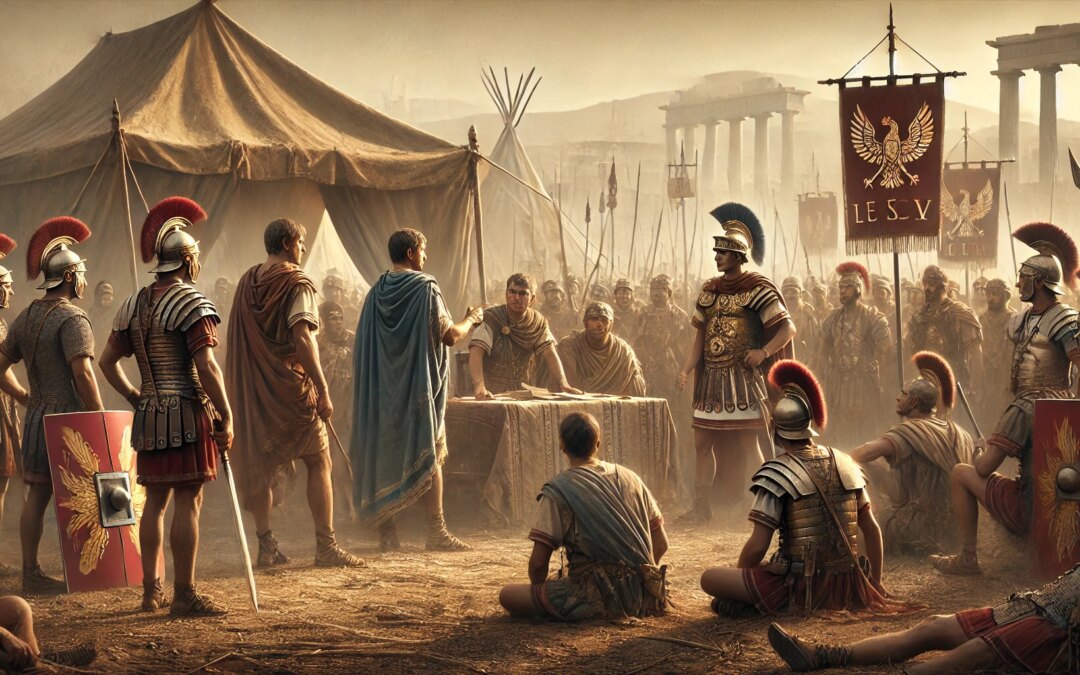
The Crisis of the Third Century (235–284 CE) saw Rome plagued by civil war, invasions, and economic turmoil, nearly leading to the empire’s downfall.
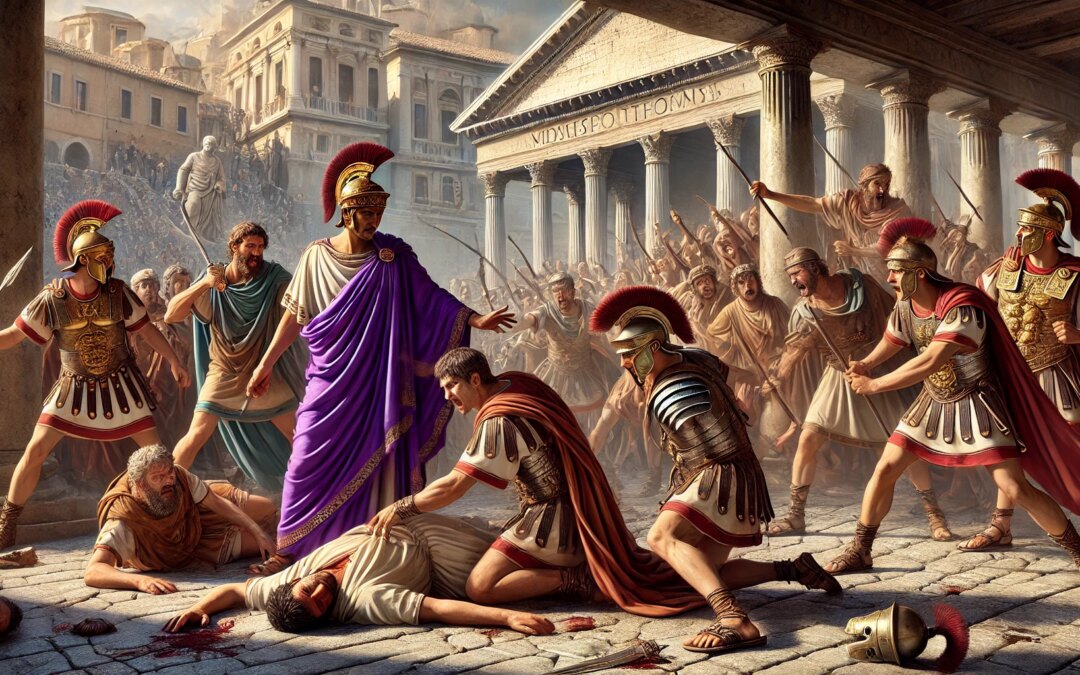
The assassination of Emperor Galba in 69 CE marked the beginning of Rome’s chaotic Year of the Four Emperors, plunging the empire into turmoil.
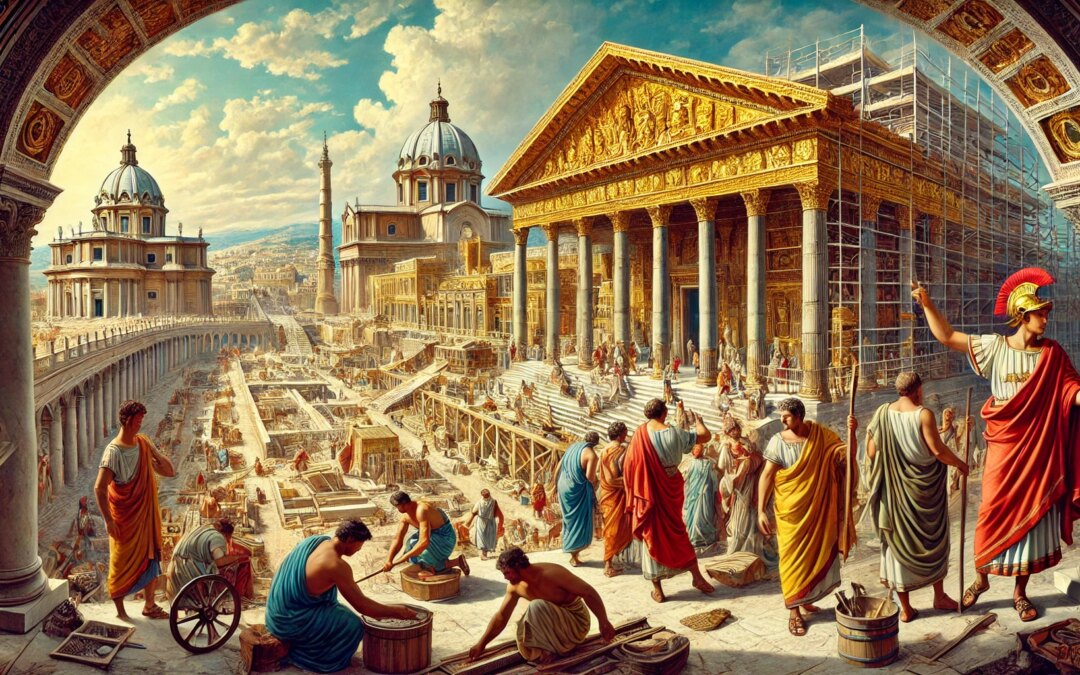
After the Great Fire of Rome in 64 AD, Emperor Nero built the Domus Aurea, a lavish palace that symbolized his reign and sparked outrage.
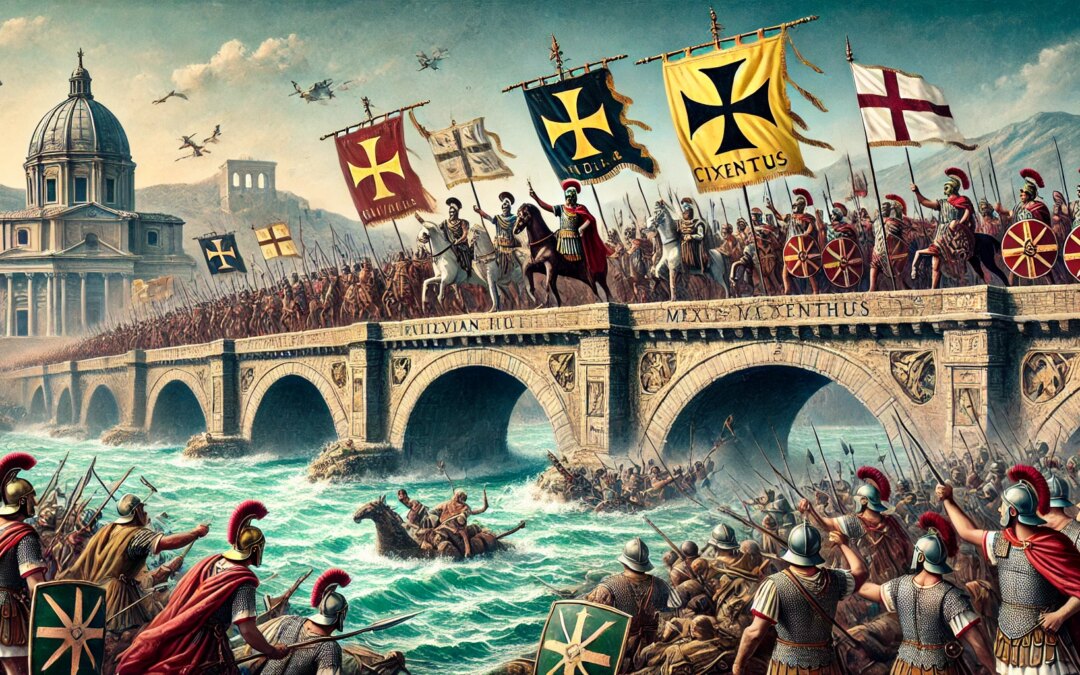
In 312 AD, Constantine defeated Maxentius at the Battle of the Milvian Bridge, securing his rule and shaping the future of Christianity in Rome.
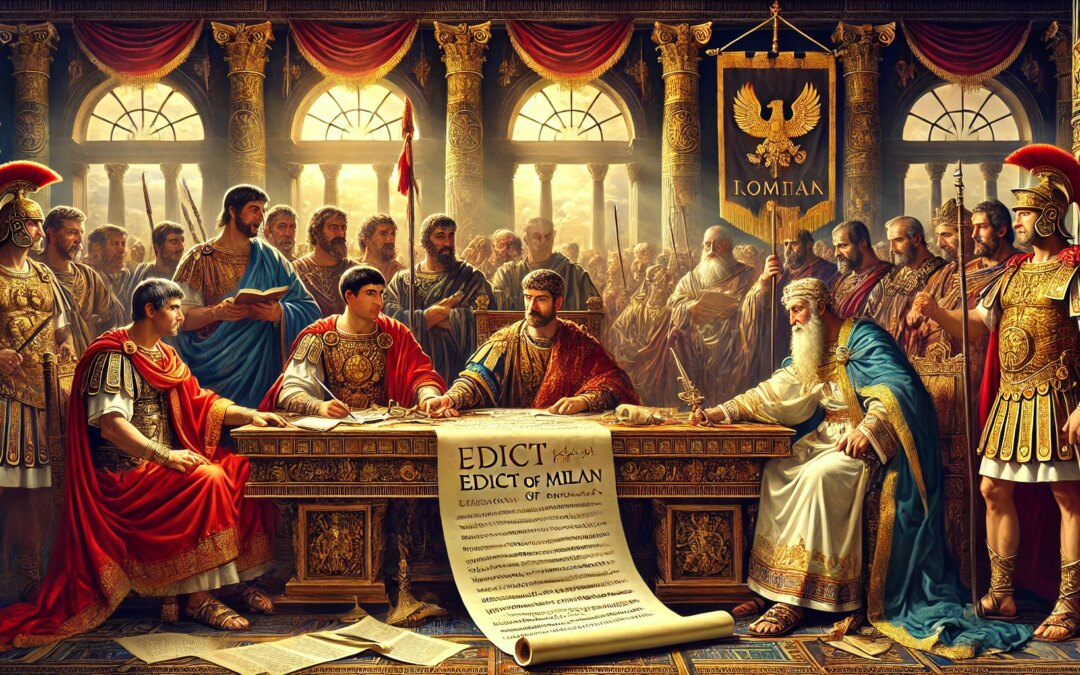
In 313 AD, the Edict of Milan granted religious freedom across the Roman Empire, marking a turning point for Christianity and imperial policy.
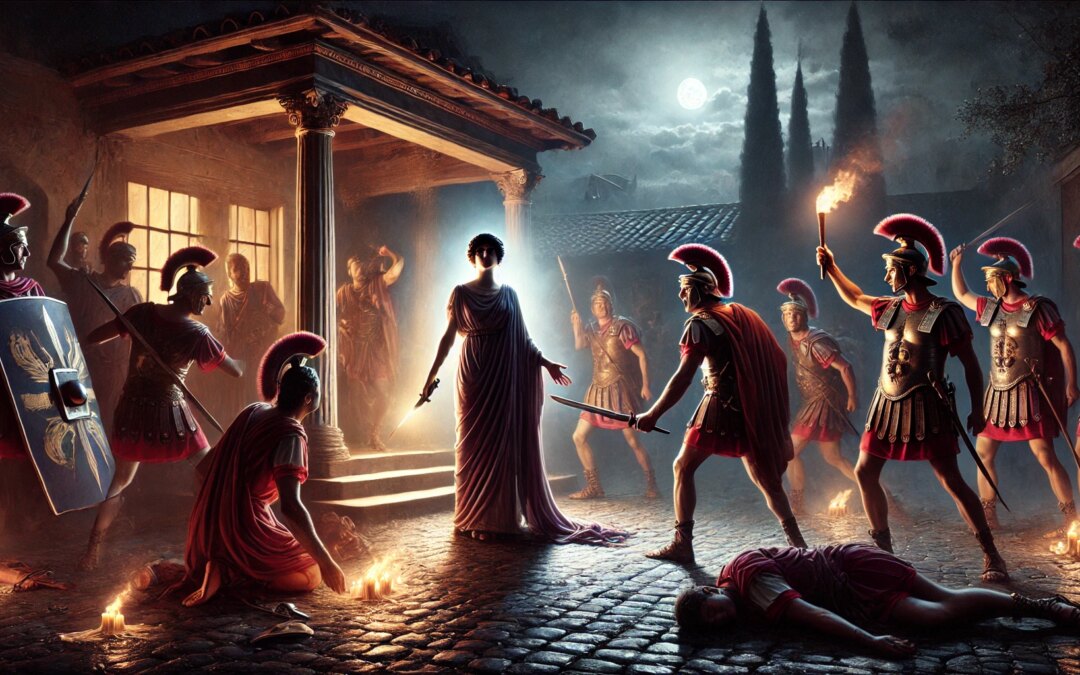
In 59 AD, Emperor Nero orchestrated the murder of his mother, Agrippina the Younger, in a brutal act of betrayal that shocked Rome.
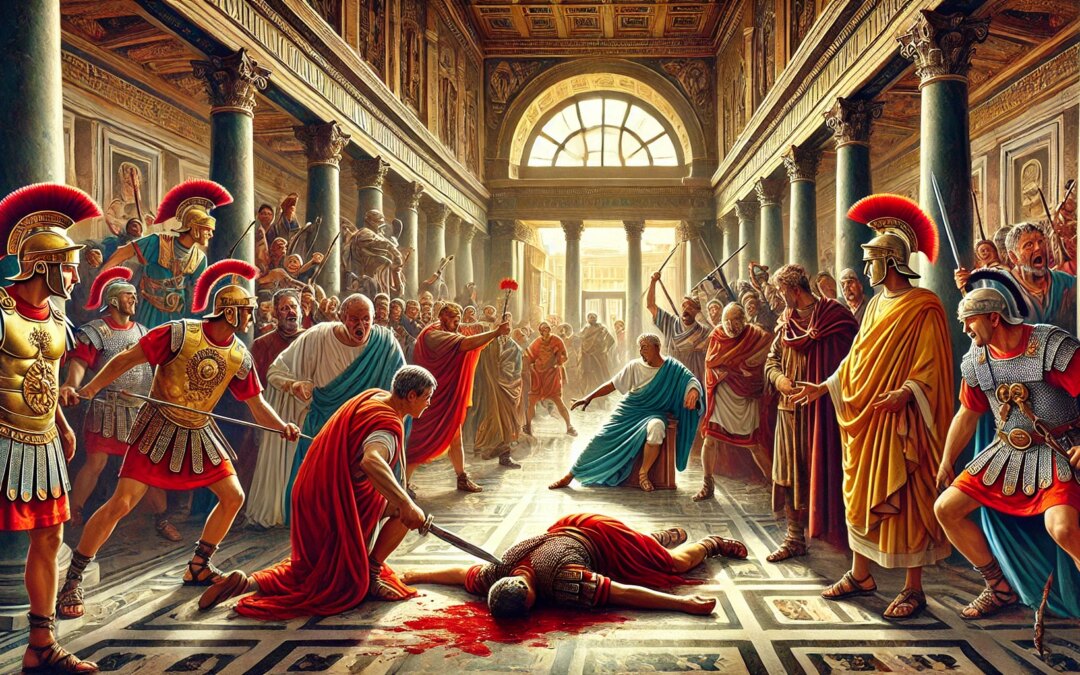
Explore the dramatic assassination of Emperor Caligula in 41 AD, a plot that ended his tyrannical rule and shook the Roman Empire.