Meet the Vigiles, Rome’s ancient fire brigade, who battled urban blazes and kept the Eternal City safe in the 1st century AD.
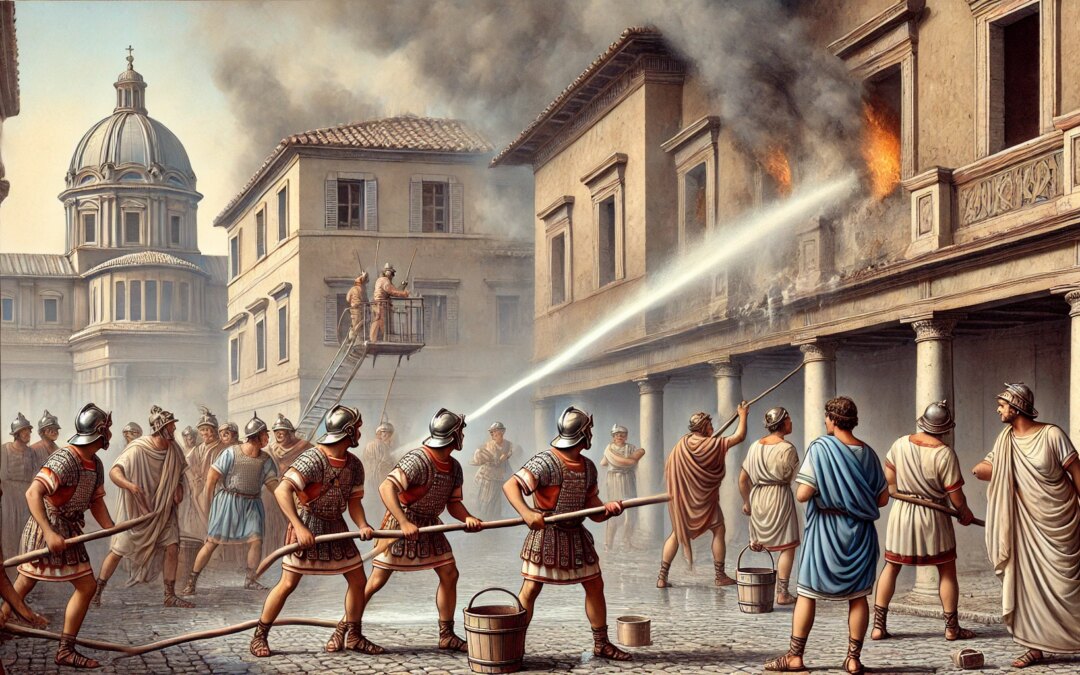
Fighting Flames in Ancient Rome: The Vigiles and Urban Firefighting in the 1st Century AD
read more

Meet the Vigiles, Rome’s ancient fire brigade, who battled urban blazes and kept the Eternal City safe in the 1st century AD.
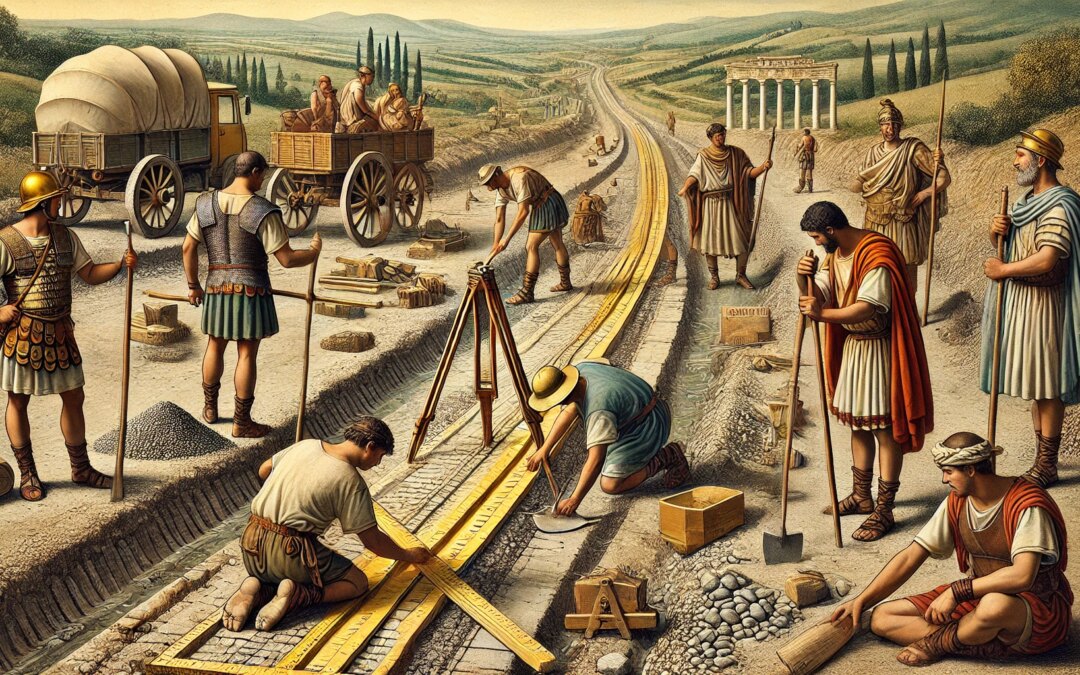
How Roman roads were built in the 1st century BCE—exploring their design, labor, and impact on Rome’s military and economic dominance.
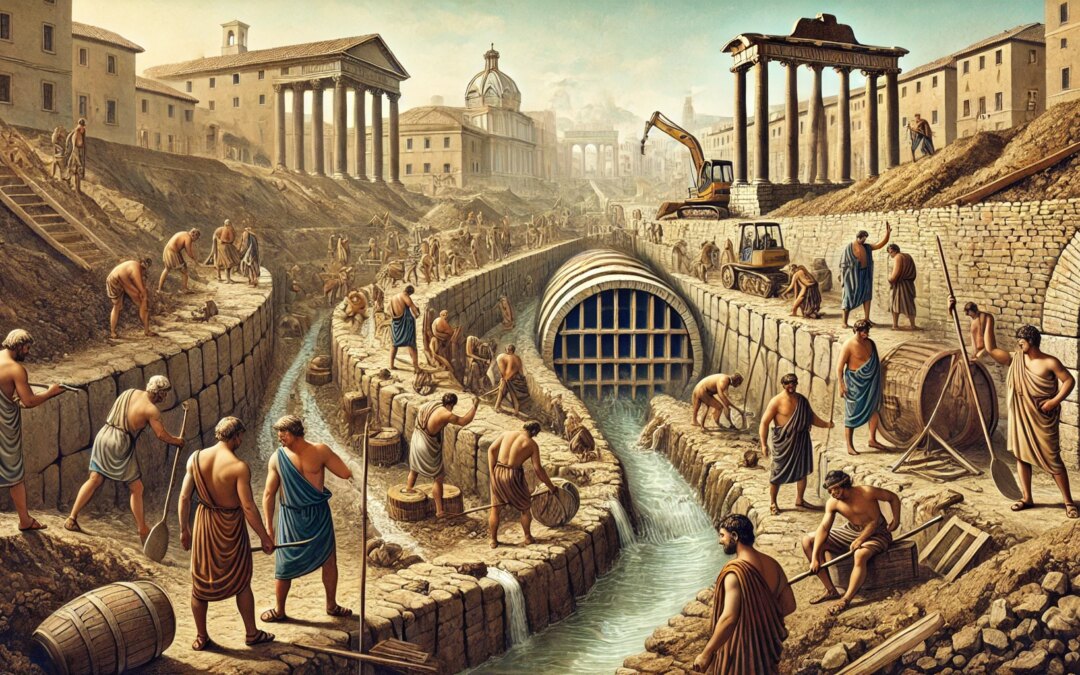
Built in the 6th century BCE, the Cloaca Maxima was Rome’s first major sewer—laying the groundwork for urban sanitation and engineering greatness.
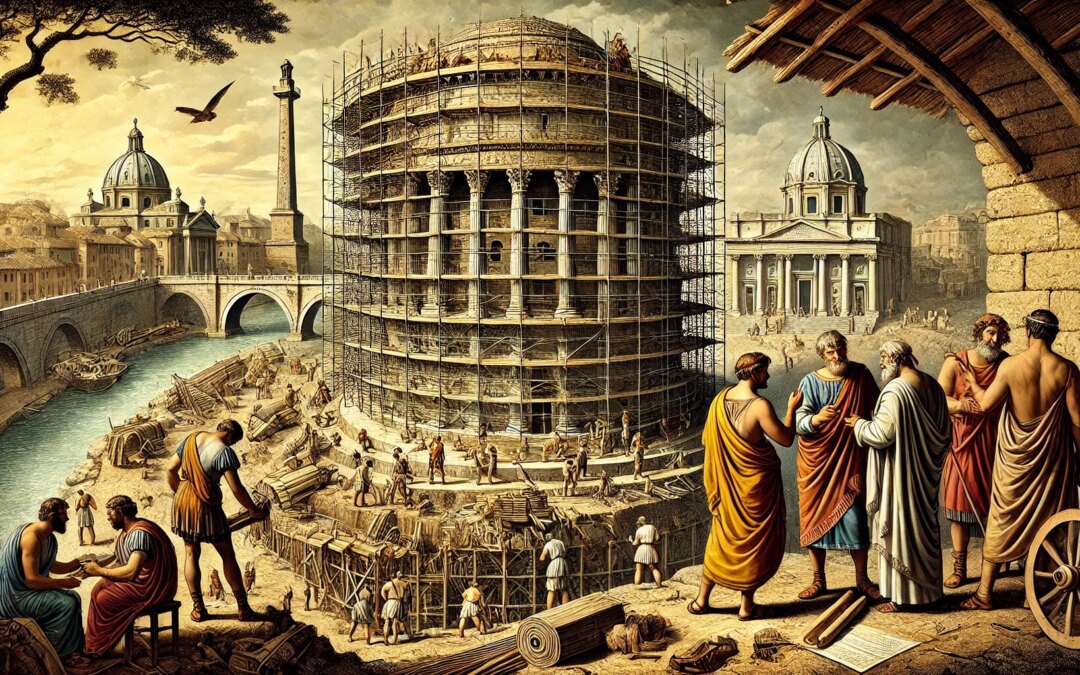
Hadrian’s Mausoleum, now Castel Sant’Angelo, was built as a grand imperial tomb and later transformed into a fortress shaping Rome’s history.
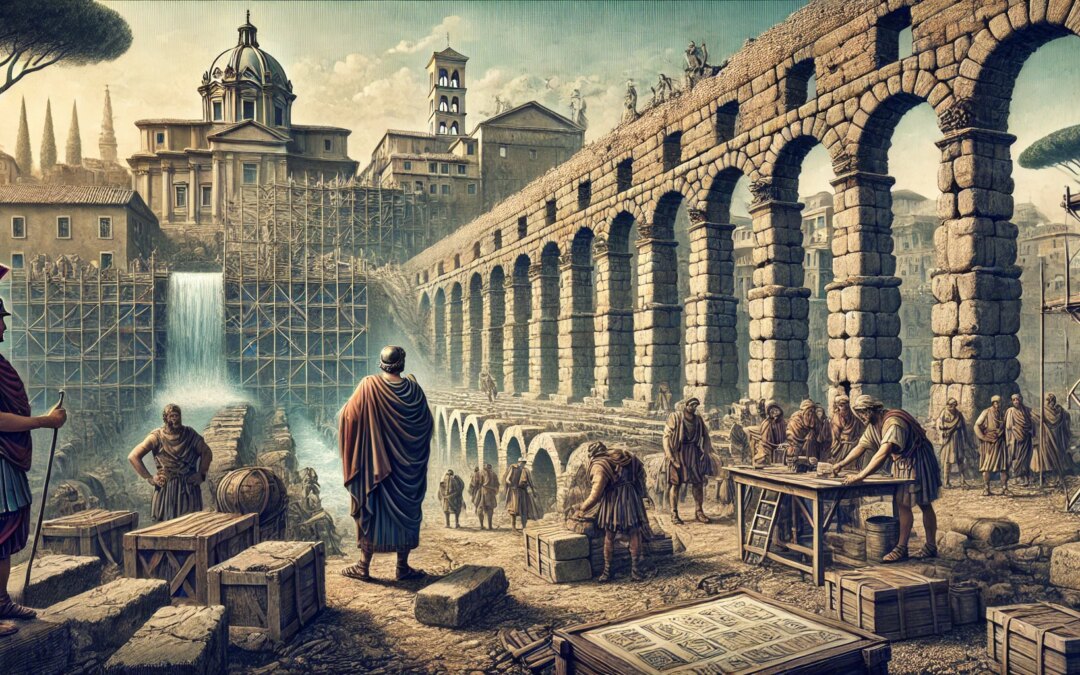
Built under Emperor Claudius in the 1st century CE, the Aqua Claudia was one of Rome’s most impressive aqueducts, supplying water to the capital.
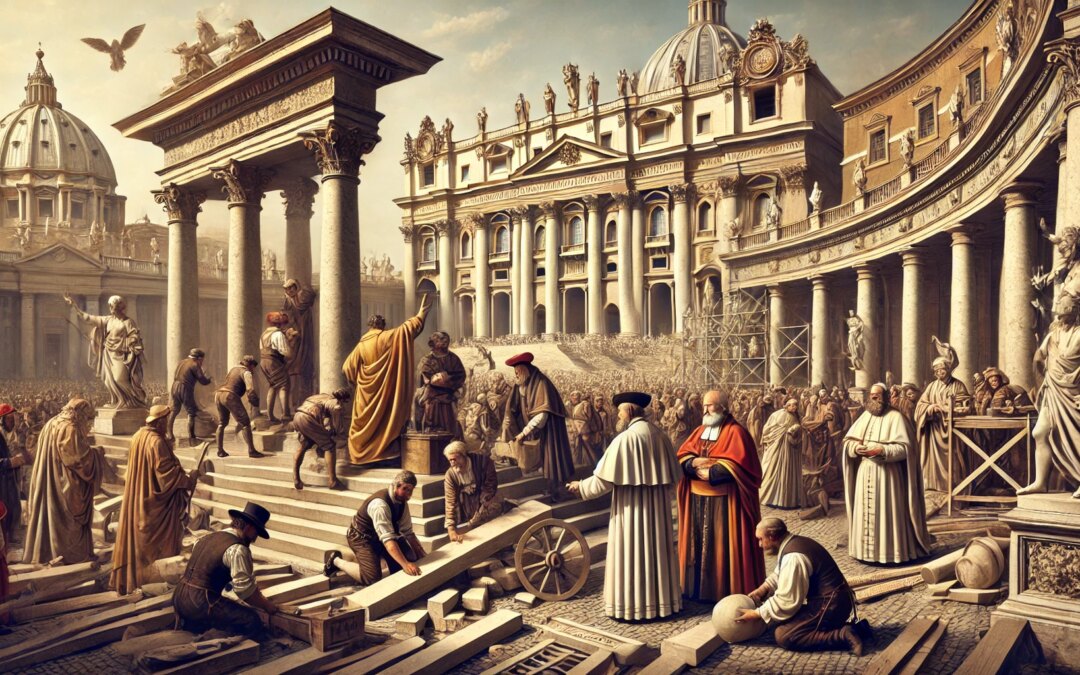
In the 17th century, Rome underwent a Baroque transformation, with Gian Lorenzo Bernini designing St. Peter’s Square, shaping the city’s grand new identity.
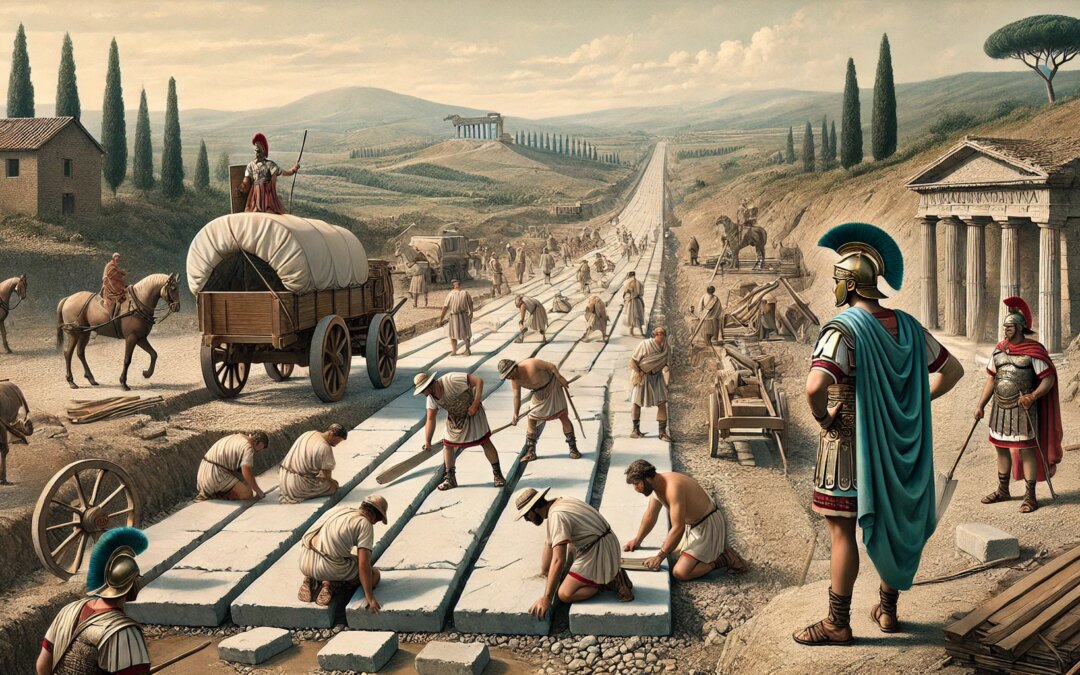
The Via Appia, built in 312 BCE, was Rome’s first major road, revolutionizing transportation and military logistics across the Republic.
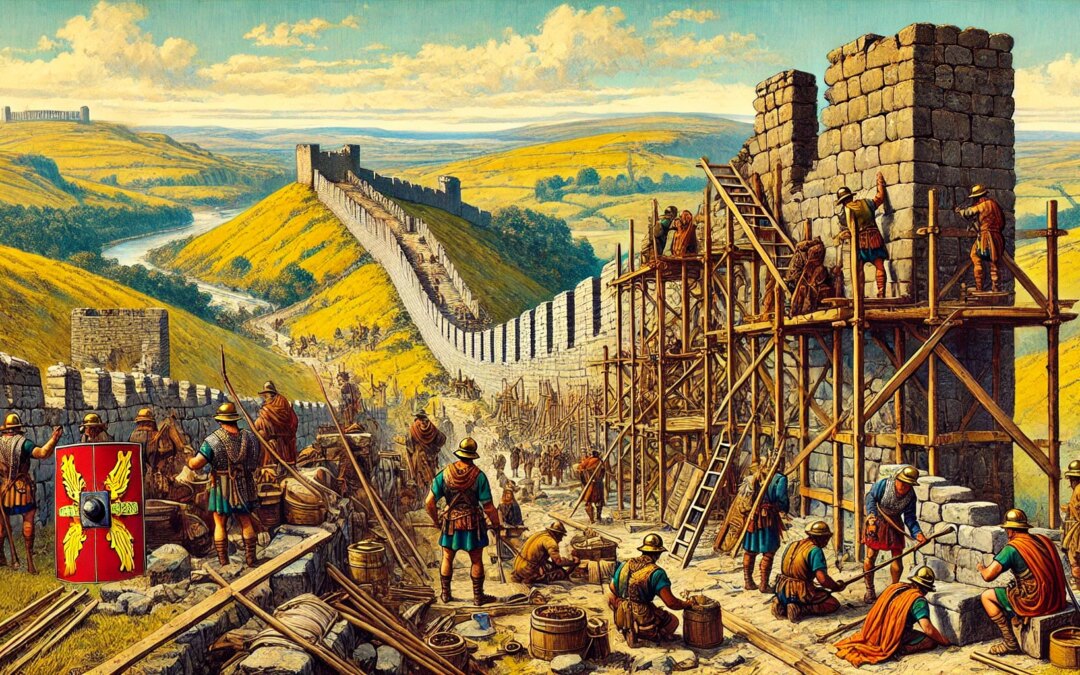
Built in 122 AD under Emperor Hadrian, Hadrian’s Wall secured Rome’s northernmost frontier in Britain, marking the empire’s limits.
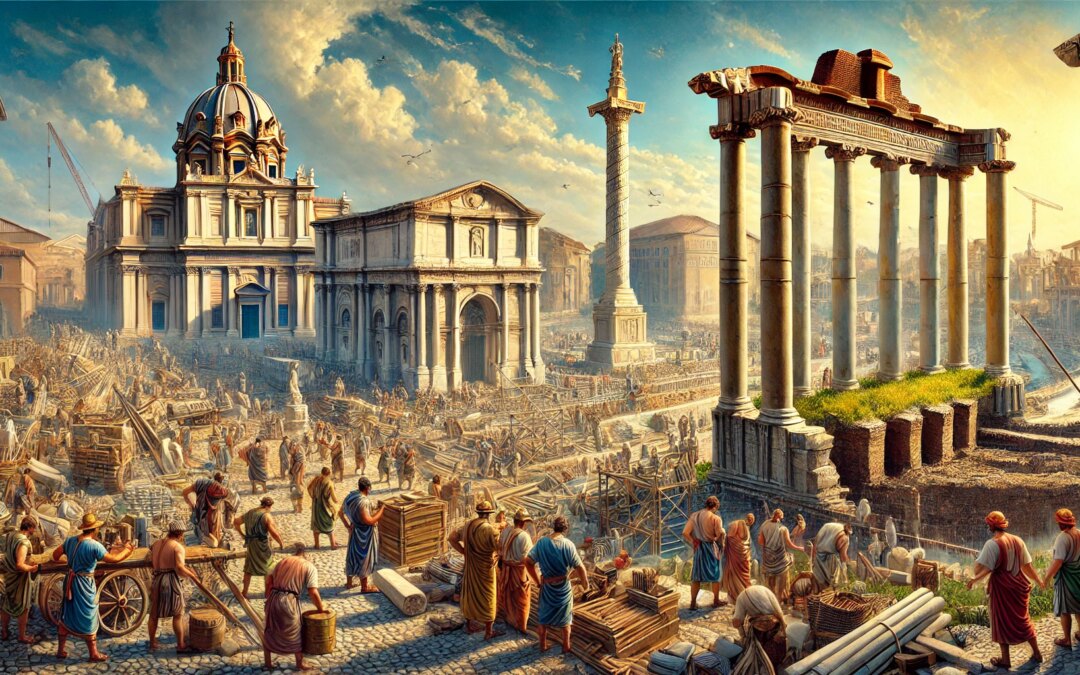
Built in 112 AD, Trajan’s Forum was the largest and most ambitious of Rome’s imperial forums, symbolizing the height of Roman engineering and power.
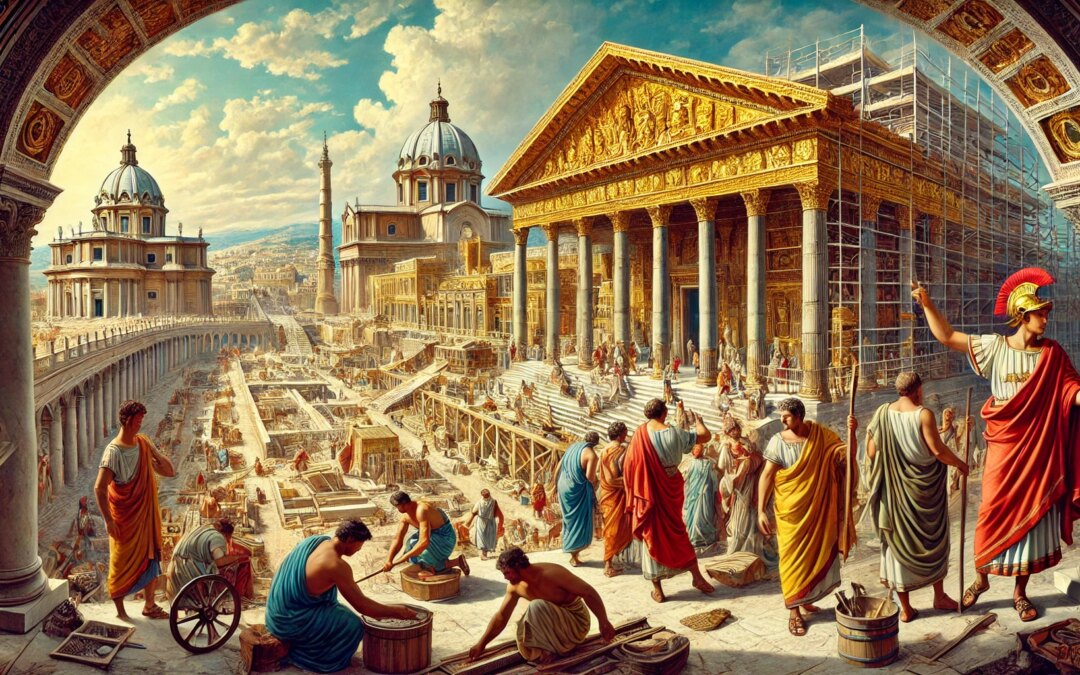
After the Great Fire of Rome in 64 AD, Emperor Nero built the Domus Aurea, a lavish palace that symbolized his reign and sparked outrage.