Floralia, the vibrant Roman spring festival, celebrated flowers, fertility, and female liberty with games, theater, and colorful revelry.
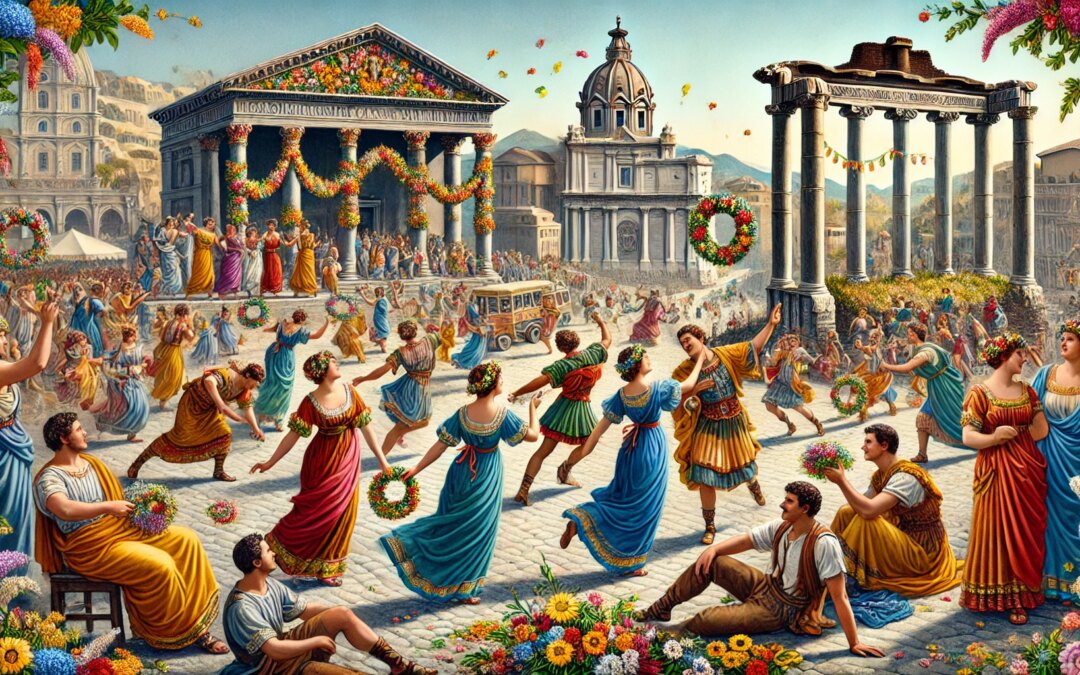
Floralia: The Roman Festival of Flowers, Fertility, and Freedom
read more

Floralia, the vibrant Roman spring festival, celebrated flowers, fertility, and female liberty with games, theater, and colorful revelry.
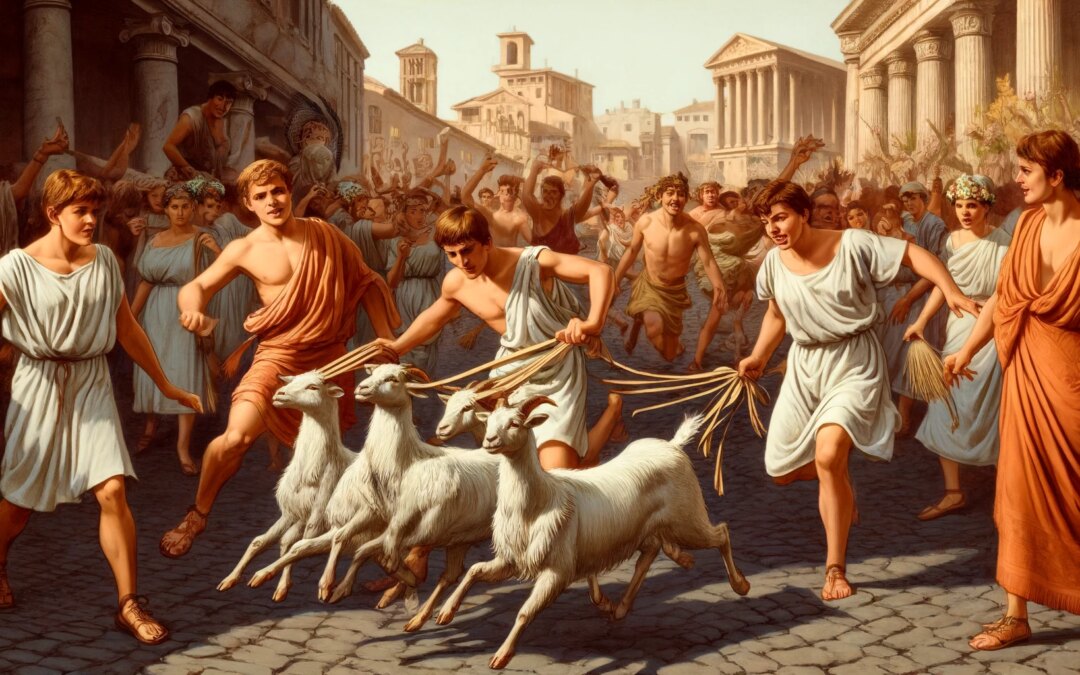
Lupercalia, celebrated in February, was one of Rome’s most ancient rituals—honoring fertility, cleansing the city, and blurring social lines.
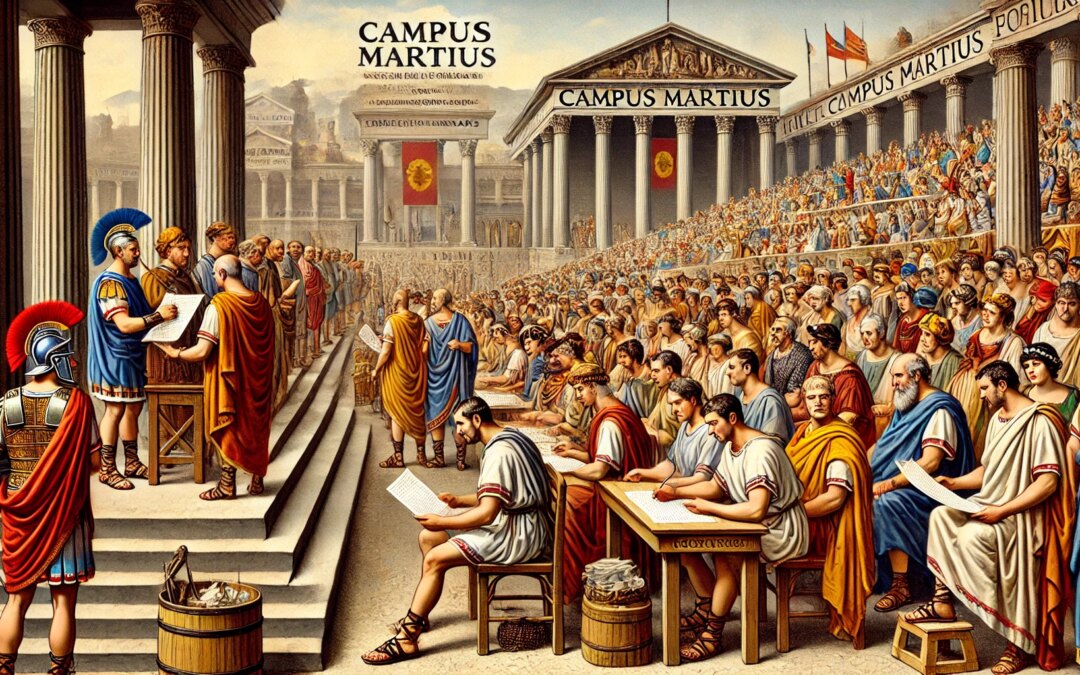
During the Roman Republic, the census was a vital institution—ranking citizens, organizing the army, and shaping Rome’s social fabric.
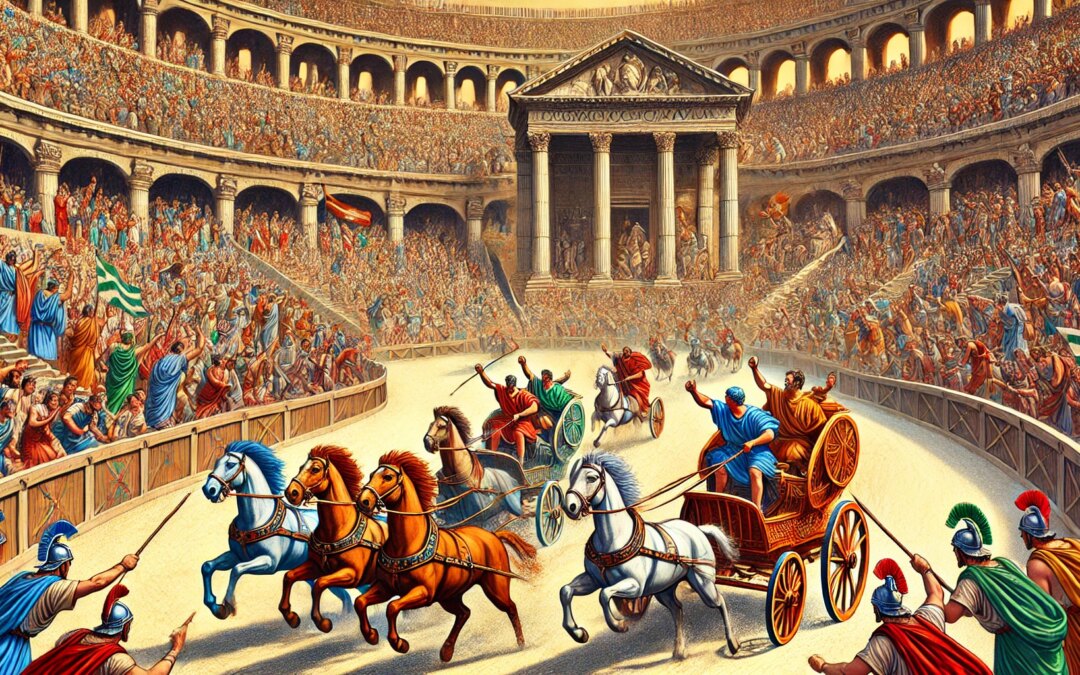
Chariot races at Rome’s Circus Maximus thrilled crowds with speed, danger, and spectacle—defining entertainment in the Roman Empire.
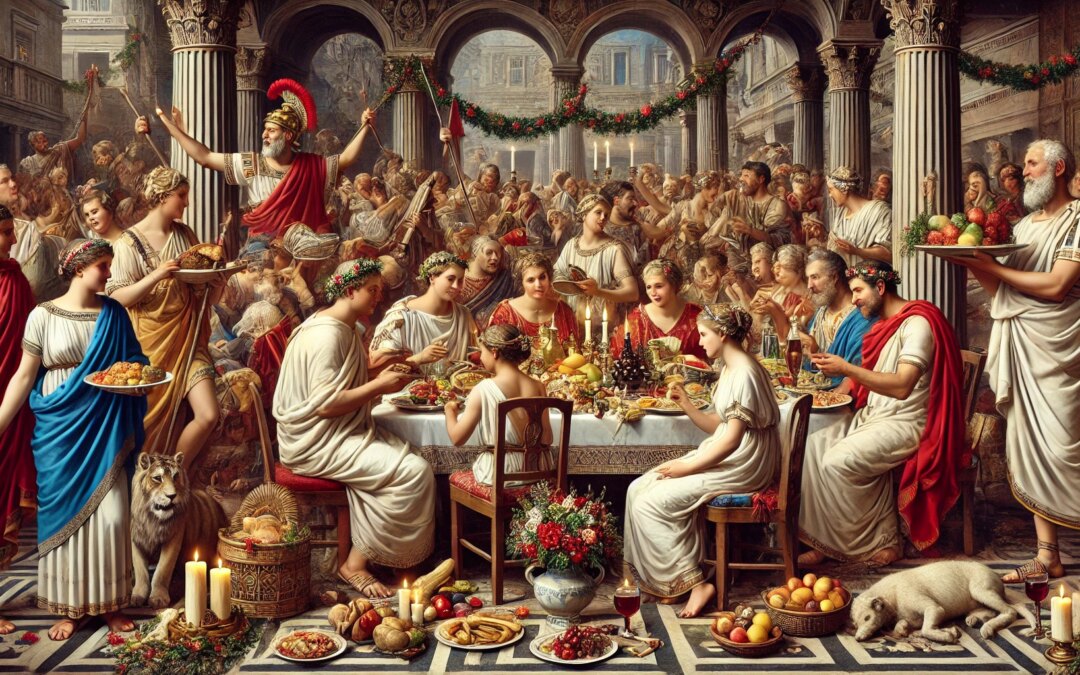
Saturnalia, the Roman festival of Saturn, upended social norms with feasting, gift-giving, and joy—an ancient precursor to modern holidays.
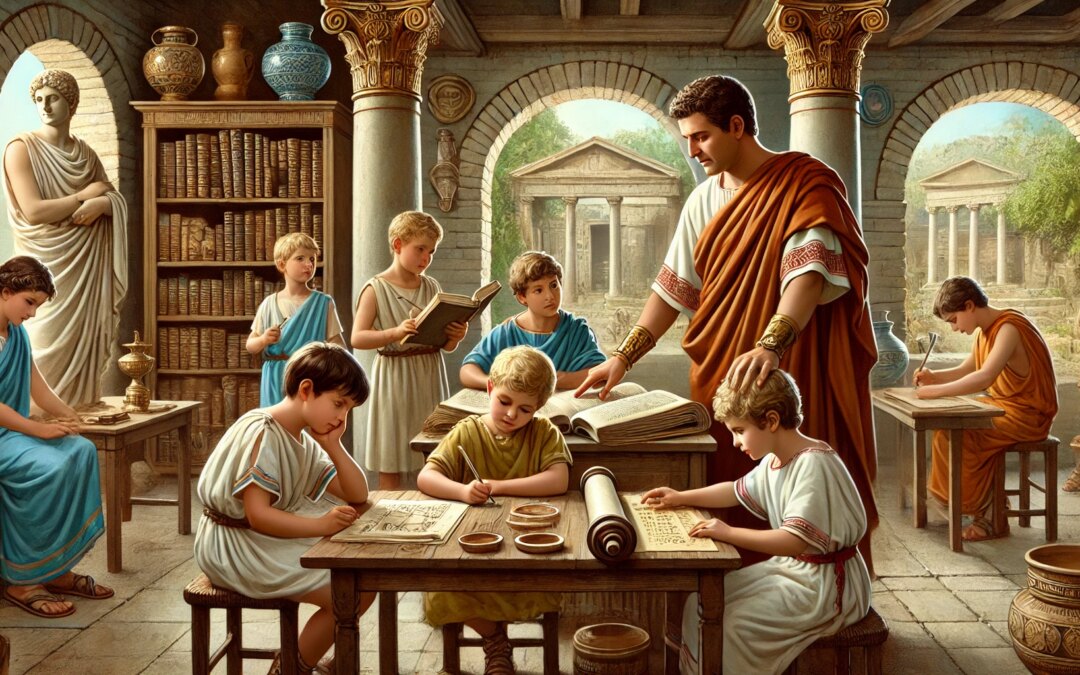
In 1st century AD Rome, education shaped elite youth with rhetoric, literature, and discipline—preparing them for civic and political life.
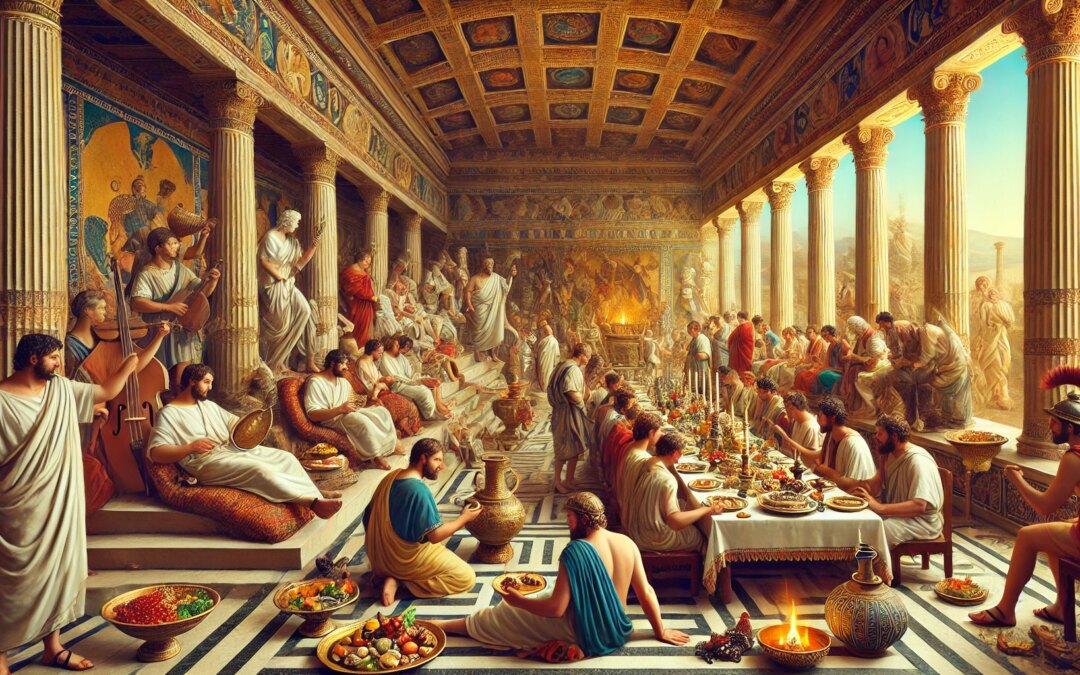
Roman feasts were legendary for their opulence, featuring exotic dishes, fine wines, and elaborate entertainment in lavish banquet halls.
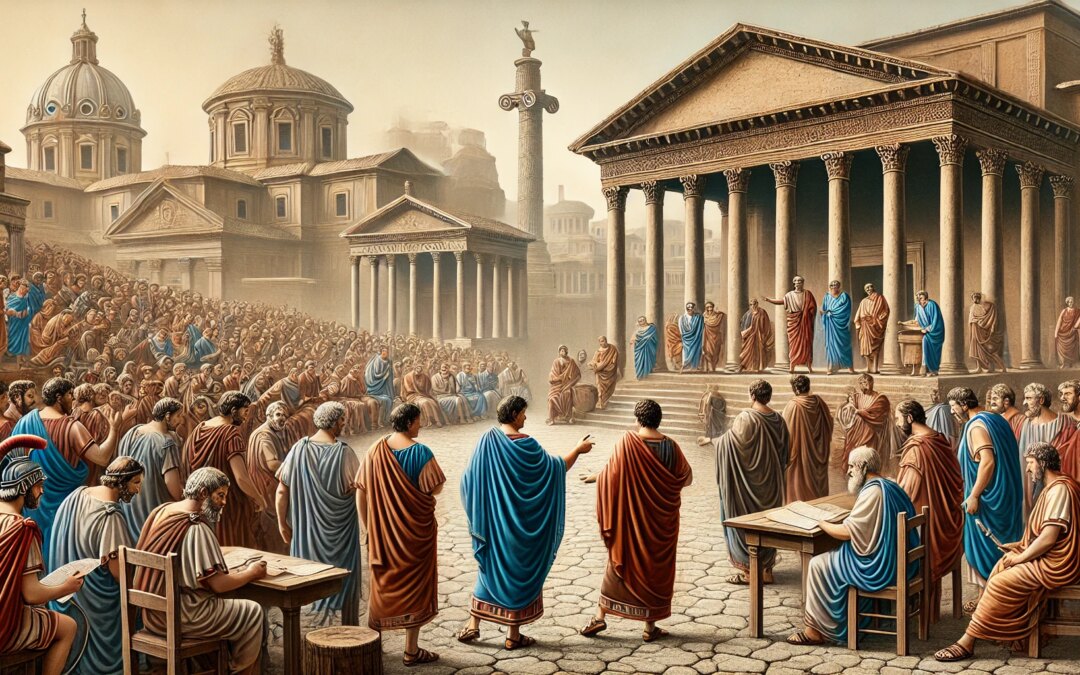
In the 5th century BCE, the Twelve Tables established the foundation of Roman law, shaping legal systems for centuries to come.
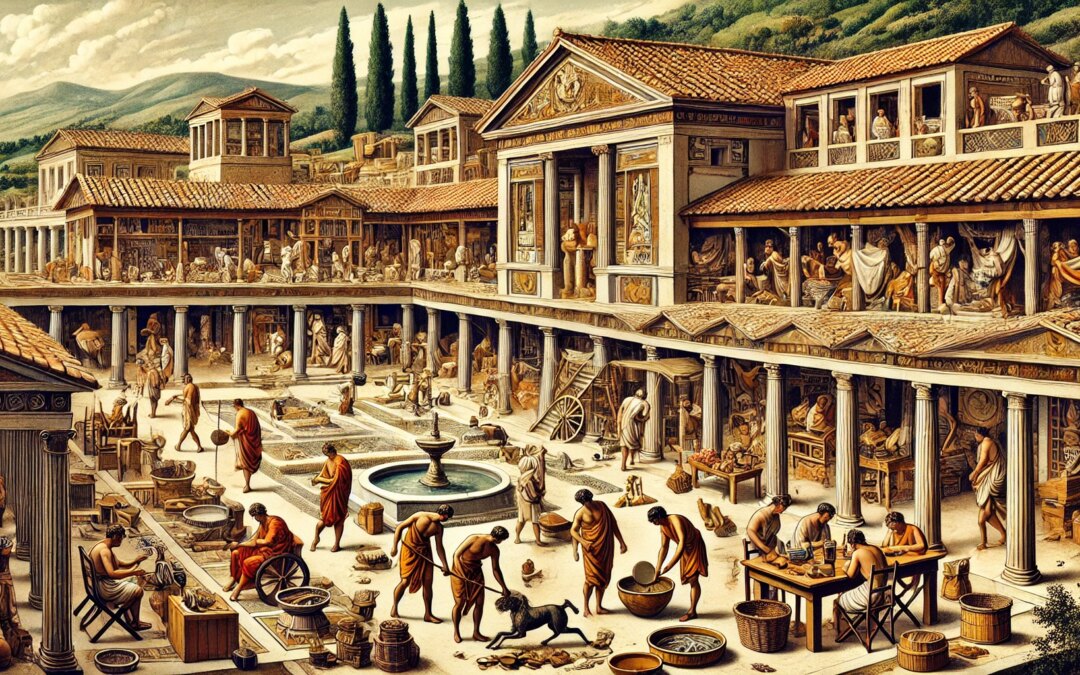
Explore the opulence and daily routines of life inside a Roman villa, the symbol of wealth and sophistication in the Roman Empire.
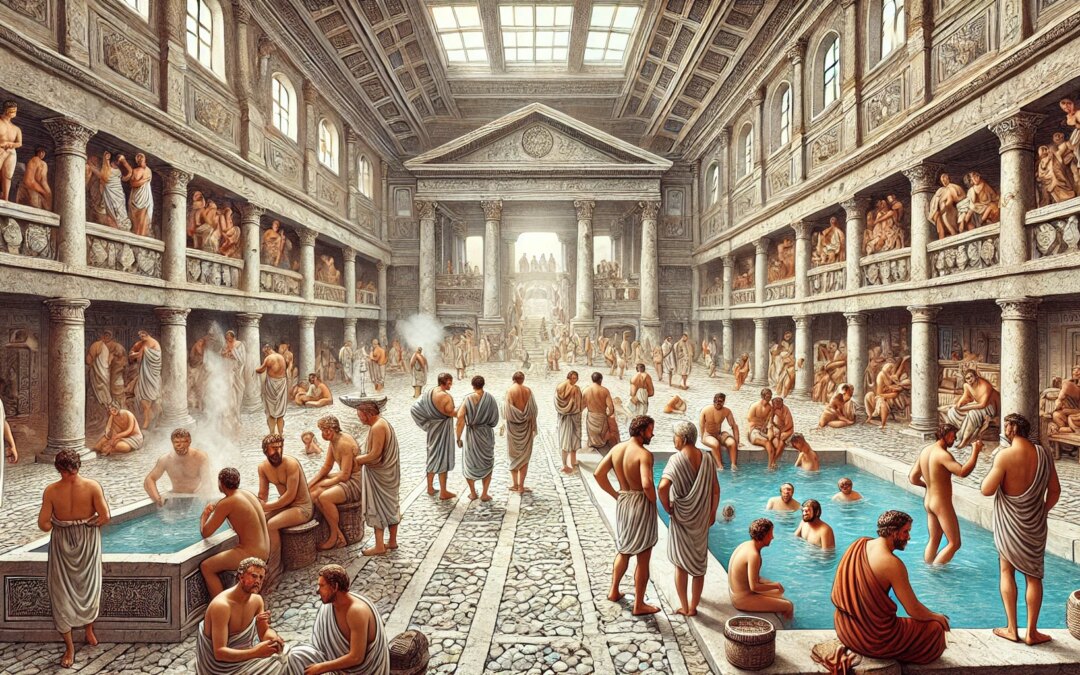
Discover how Roman bathhouses (thermae) served as centers of hygiene, relaxation, and social interaction in the ancient empire.