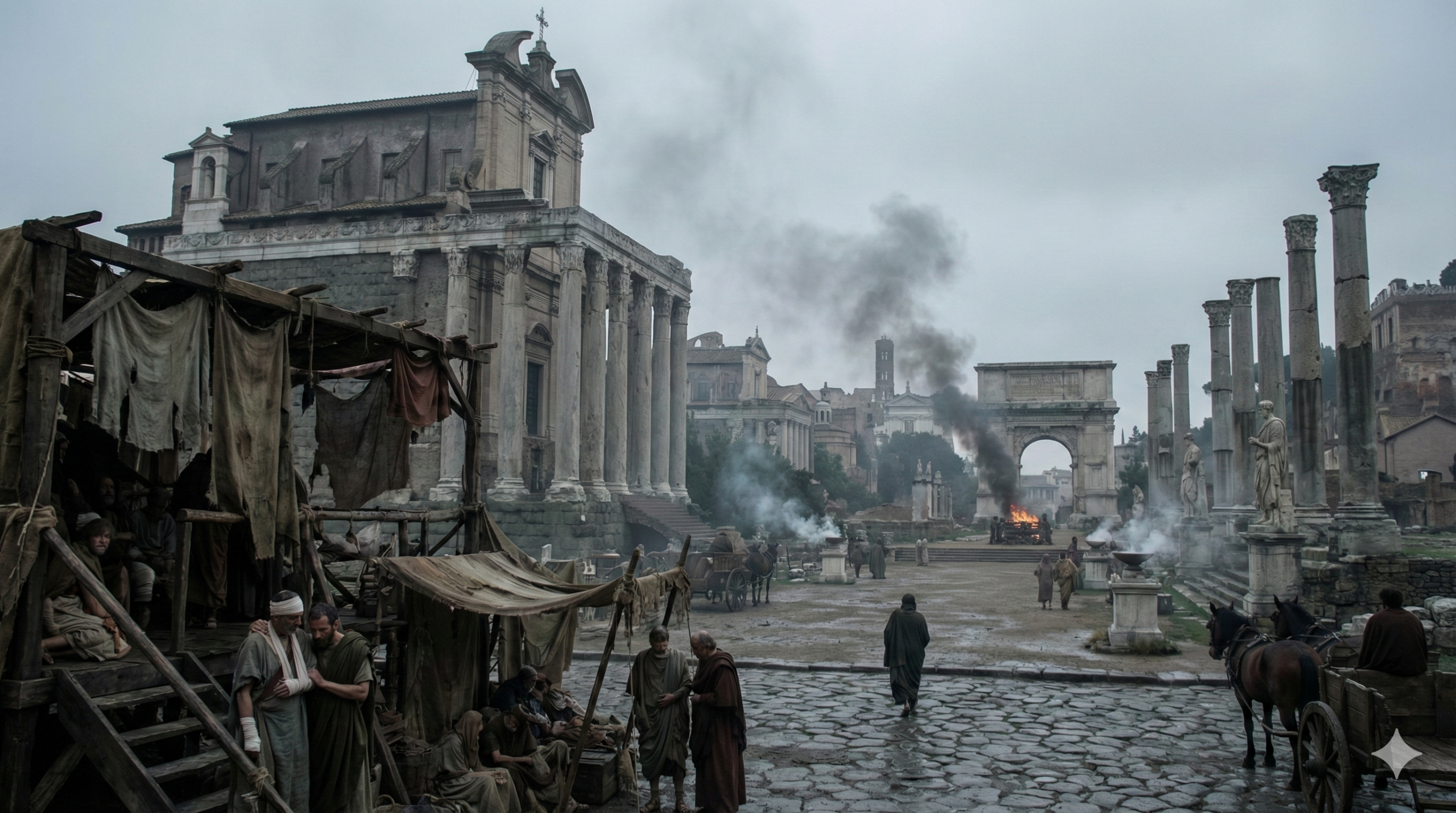
The Roman Empire enjoyed immense power in the middle of the second century CE. Emperor Marcus Aurelius ruled a vast and wealthy territory. Citizens felt safe behind strong and well-defended borders. However, a silent killer soon shattered this golden age. This deadly killer was the Antonine Plague. The Antonine Plague struck the Roman world around 165 CE. It quickly became one of the worst pandemics in ancient history. The disease changed Roman society forever.
The Origins of the Antonine Plague
Where did the Antonine Plague originate? The crisis actually began during a massive military campaign in the East. In 161 CE, the Parthian Empire aggressively attacked Armenia. Rome immediately sent huge armies to defend its eastern interests. Co-emperor Lucius Verus led the Roman legions deep into Mesopotamia. The soldiers brutally sacked the great city of Seleucia in 165 CE. Ancient rumors blamed a cursed golden casket for the disease. A soldier allegedly opened this forbidden casket in a temple. A poisonous vapor escaped and infected the entire army.
The historical truth is much simpler and more tragic. The crowded Roman military camps encountered a deadly local virus. The victorious troops marched back to Rome to celebrate. They unknowingly carried the invisible disease with them. The extensive network of Roman roads spread the virus very quickly. Merchant ships also carried the disease across the Mediterranean Sea. Within months, the infection reached Gaul, Italy, and the Rhine frontier.
Galen Records the Antonine Plague
The famous physician Galen left detailed records of the Antonine Plague. Galen lived in Rome when the terrible disease first arrived. He later traveled to Aquileia to treat the sick soldiers. Galen described the terrifying symptoms in his medical journals. Patients suffered from violent fevers and severe diarrhea. They felt an intense, burning thirst. Their throats became highly inflamed and swollen. The most obvious symptom involved the victim’s skin.
Galen noted dark, horrific pustules all over the body. If a patient survived, these pustules dried into rough scabs. Modern scientists read Galen’s ancient notes very carefully. Most medical historians believe the Antonine Plague was an ancient strain of smallpox. The Roman population lacked natural immunity to this specific virus. This lack of immunity caused an incredibly high and rapid death rate.
The Impact on Ancient Medical Practices
How did ancient doctors treat the Antonine Plague? The medical knowledge of the second century offered very few solutions. Galen and other physicians relied heavily on the theory of the four humors. They believed that illness resulted from an internal bodily imbalance. Doctors tried to restore this balance using dangerous methods. They frequently used bloodletting to treat the burning fever. They prescribed strict diets and strange herbal remedies. Some doctors recommended applying cool ointments to the skin pustules.
However, these treatments rarely cured the sick patients. Many ancient remedies actually weakened the infected individuals further. The lack of modern germ theory left the Romans completely defenseless. The Antonine Plague demonstrated the severe limits of classical medicine. Wealthy citizens often fled the infected cities in pure panic. They moved to isolated country villas to escape the bad air. Poor citizens trapped in crowded urban apartments suffered the highest mortality rates.
Demographic Collapse and Empty Cities
The demographic collapse shocked the entire Mediterranean world. Historians struggle to calculate the exact number of victims. However, conservative estimates suggest a massive loss of human life. The Antonine Plague likely killed five to ten million people. This terrifying number represented roughly ten percent of the empire. Urban centers like Rome and Alexandria suffered heavily. People lived very close together in these massive ancient cities.
The historian Cassius Dio reported terrifying statistics about the outbreak. He claimed that two thousand people died every day in Rome. Entire farming villages in Egypt simply vanished overnight. Local officials desperately begged the provincial governors for tax relief. They explained that no farmers remained alive to harvest the vital crops.
The Economic Impact of the Antonine Plague
The Antonine Plague severely damaged the powerful Roman economy. The sudden drop in population caused severe labor shortages. The cost of hiring workers skyrocketed almost overnight. At the same time, the value of agricultural land crashed. The imperial treasury relied heavily on land taxes and trade tariffs. This massive loss of taxpayers created a dangerous financial disaster. The Roman marketplace struggled to function without merchants and buyers. Supply chains broke down completely across the distant provinces. Food prices increased rapidly in the cities. Emperor Marcus Aurelius needed money to fund the army and the government.
The Emperor Fights the Crisis
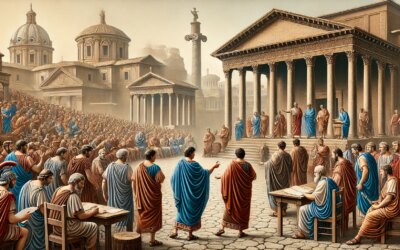
Emperor Marcus Aurelius took drastic action to save the Roman state. He organized a massive public auction in the center of Rome. He bravely sold precious items directly from the imperial palace. Buyers purchased golden goblets, silk robes, and royal jewels. This desperate public sale funded the struggling Roman legions. The government also reduced the silver content in the denarius coin. This action stretched the budget but caused dangerous economic inflation.
Emperor Marcus Aurelius faced these challenges with stoic philosophy. He remained in Rome to lead his people through the terror. His strong leadership kept the Roman state from collapsing completely. Tragically, the virus struck down slaves and emperors alike. Co-emperor Lucius Verus himself likely died from the Antonine Plague in 169 CE.
Military Consequences for the Legions
The Antonine Plague devastated the Roman military machine. The disease spread like wildfire through the crowded legionary camps. Rome lost thousands of experienced and highly trained soldiers. This military weakness arrived at the worst possible time in history. Germanic tribes launched massive attacks across the frozen Danube River. The Marcomannic Wars severely tested the limits of Roman power.
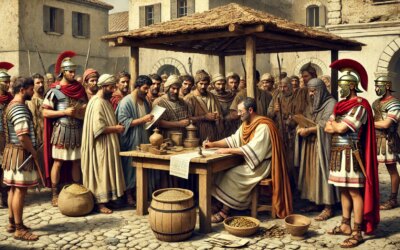
Marcus Aurelius desperately needed new troops to fight the invaders. He conscripted slaves, gladiators, and local bandits into the army. The Roman legion in battle looked very different after the plague. The army relied much more on non-Roman recruits. This shift permanently changed the strict character of the Roman military.
The Disruption of Roman Urban Life
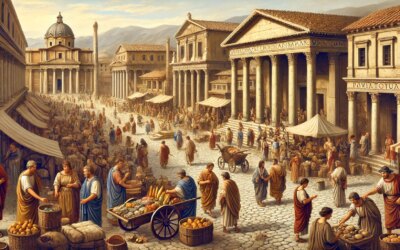
The Antonine Plague severely disrupted daily life in major cities. Public gatherings became extremely dangerous for the citizens. The government likely restricted the spectacular gladiatorial games. The construction of the Colosseum and its events had previously defined Roman entertainment. Now, the bustling arenas stood empty and quiet. The popular Roman baths turned into potential infection zones. Citizens avoided the crowded forums and the busy street markets. The vibrant street life of Rome fell completely silent.
Building projects slowed down or stopped entirely across the empire. The government lacked the healthy laborers needed to quarry stone. The architectural ambition of the second century faded away quickly. The public focus shifted from building grand temples to digging mass graves. The city magistrates struggled to bury the overwhelming number of dead bodies.
Religious Upheaval During the Antonine Plague
The Antonine Plague also caused a massive spiritual crisis. The Romans believed the gods controlled human health and fortune. Many citizens viewed the pandemic as a strict divine punishment. They felt that the traditional gods had abandoned Rome entirely. People panicked and sought new forms of religious comfort. The crisis revived old pagan cults and ancient rituals. Cities offered huge animal sacrifices to appease the angry deities.
Meanwhile, early Christianity found a new audience during this dark time. Christian communities focused heavily on charity and nursing the sick. They believed in a rewarding afterlife for the faithful believers. Their brave actions during the Antonine Plague attracted many new converts. You can explore more about ancient religious shifts at the World History Encyclopedia. The strong social bonds forged during the crisis strengthened the early church.
The Sunset of the Pax Romana
The Roman Empire eventually recovered from the Antonine Plague. However, the disease permanently ended the golden age of the Pax Romana. The crisis exposed the hidden dangers of a highly connected ancient world. The vast trade routes delivered both fabulous wealth and deadly pathogens. The Antonine Plague permanently weakened the economic foundations of the empire. It forced Rome to change its traditional military strategies. It also accelerated major religious shifts across the Mediterranean basin. The pandemic proved that even the greatest empires remain highly vulnerable. The Antonine Plague remains a crucial turning point in classical history.
Frequently Asked Questions
What disease was the Antonine Plague?
Modern medical historians strongly believe the Antonine Plague was smallpox. The symptoms described by Galen match the smallpox virus perfectly.
When did the Antonine Plague start?
The Antonine Plague started around 165 CE. Roman soldiers contracted the disease during a military campaign in Mesopotamia.
How many people died from the Antonine Plague?
Historians estimate that five to ten million people died. This massive death toll represented ten percent of the total Roman population.
How did the Antonine Plague affect the Roman army?
The disease killed thousands of experienced Roman soldiers. The emperor had to recruit slaves and gladiators to defend the borders.
Did the Antonine Plague cause the fall of Rome?
The plague did not destroy Rome immediately. However, it caused severe economic and military damage that weakened the empire permanently.