In the mid-15th century, as the remnants of the once-mighty Byzantine Empire clung to Constantinople, a final, desperate attempt was made by a coalition of European powers to stem the tide of Ottoman expansion. This ambition culminated in the catastrophic Battle of Varna in 1444 AD, a clash that would prove to be a tragic turning point for the Christian world in the Balkans and, ultimately, seal the fate of the Eastern Roman Empire. The hopes of a grand crusade, envisioned to push back the encroaching Ottoman Turks, were shattered on the fields near the Black Sea, leaving Constantinople more vulnerable than ever and extinguishing the last significant flicker of hope for its salvation. This pivotal engagement is often overlooked in popular history, yet its profound consequences resonated for decades, shaping the geopolitical landscape of southeastern Europe.
The Gathering Storm: Europe’s Last Crusade
By the early 1440s, the Ottoman Empire, under Sultan Murad II, had solidified its control over much of the Balkans, posing a direct and existential threat to Hungary, Wallachia, and the dwindling Byzantine territories. Pope Eugene IV tirelessly preached a new crusade, urging Christian rulers to unite against the common foe. The primary response came from Hungary, led by the brilliant military commander John Hunyadi, and Poland, under the young King Władysław III. Their alliance, augmented by smaller contingents from Wallachia, Serbia, and the Holy Roman Empire, aimed to drive the Ottomans out of Europe and secure Constantinople. The crusader army, numbering around 30,000, marched south through Ottoman-held Bulgaria, fueled by religious zeal and a precarious promise of Venetian naval support to block Turkish reinforcements across the Bosphorus.
Key Figures of the Crusade
- Władysław III: King of Poland and Hungary, a young and ambitious monarch leading the Christian forces.
- John Hunyadi: Voivode of Transylvania, the most experienced and skilled commander of the Crusader army, whose earlier campaigns had given reason for optimism.
- Cardinal Julian Cesarini: The Papal Legate, a driving force behind the crusade, often pushing for aggressive action.
The Fateful Clash: Tactics and Betrayal at Varna
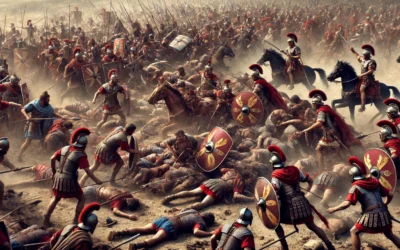
On November 10, 1444, the two armies met near the city of Varna on the Black Sea coast. Sultan Murad II, despite earlier peace treaties, had been able to ferry his forces across the Bosphorus, reportedly aided by Genoese merchants, catching the Crusaders by surprise with a significantly larger army. The Battle of Varna began with early successes for the Christian forces, as Hunyadi’s cavalry successfully routed several Ottoman wings. However, Władysław III, against Hunyadi’s advice, made a rash decision to lead a direct charge with his personal guard against the Ottoman Janissary corps, aiming to capture Sultan Murad II himself. This ill-fated charge pierced deep into the Ottoman center but ultimately resulted in the young king’s death, plunging the Crusader army into disarray.
The Battle’s Turning Point
The death of King Władysław III was catastrophic. The sight of their fallen king demoralized the Christian ranks, and the previously routed Ottoman wings began to regroup and press their advantage. John Hunyadi attempted to salvage the situation, but the momentum had shifted irrevocably. The Crusader army, lacking central command and cohesion, was overwhelmed and decisively defeated, suffering heavy casualties. The dream of a Christian resurgence in the Balkans ended abruptly and violently on the plains of Varna.
Aftermath and Legacy: The End of Byzantine Hopes
The consequences of the Battle of Varna were devastating and far-reaching. For the Ottoman Empire, it was a pivotal victory that secured their dominance in the Balkans and removed the last significant military threat from a united European force for decades. It allowed the Ottomans to consolidate their hold on the region, paving the way for further expansion into central Europe. For the Byzantines in Constantinople, the defeat at Varna shattered any lingering hopes of external military relief. The city, already isolated and weakened, now faced the formidable Ottoman war machine with no major Christian army left to intervene. Less than a decade later, in 1453, Constantinople would fall, marking the definitive end of the Byzantine Empire and, for many, the symbolic end of the Roman Empire itself.
The Broader Impact
- Ottoman Hegemony: The victory cemented Ottoman power in Southeastern Europe, leading to centuries of Turkish rule in the Balkans.
- End of Crusading Era: Varna is often considered the last major offensive crusade against the Ottomans in the medieval period, demonstrating the futility of such large-scale efforts without full European unity.
- Psychological Blow: The defeat was a severe psychological blow to Christian Europe, highlighting the strength and resilience of the Ottoman Empire.
Frequently Asked Questions
What was the primary goal of the Battle of Varna?
The primary goal of the Crusader army at the Battle of Varna was to halt Ottoman expansion into Europe, drive them out of the Balkans, and relieve the pressure on the Byzantine Empire, especially Constantinople.
Who were the main commanders in the Battle of Varna?
The Christian forces were primarily led by King Władysław III of Poland and Hungary, with significant military command from John Hunyadi, Voivode of Transylvania. The Ottoman army was commanded by Sultan Murad II.
What was the outcome of the Battle of Varna?
The Battle of Varna resulted in a decisive victory for the Ottoman Empire. The Crusader army was routed, suffering heavy casualties, and King Władysław III was killed in battle.
How did the Battle of Varna impact the Byzantine Empire?
The Battle of Varna extinguished any realistic hope for the Byzantine Empire to receive substantial military aid from Western Europe against the Ottomans. It left Constantinople isolated and vulnerable, directly contributing to its fall less than a decade later in 1453.