Introduction: Titans Clash in Africa
In 202 BC, the plains of Zama in North Africa bore witness to one of the most decisive battles in ancient history. The Roman general Scipio Africanus faced off against Hannibal Barca, Carthage’s greatest military mind, in a showdown that would end the Second Punic War and determine the fate of the Mediterranean world. The Battle of Zama was not just a clash of arms—it was a confrontation between two towering strategic geniuses, each with decades of victories behind them and everything to lose.
The Road to Zama
The Second Punic War (218–201 BC) had raged across three continents. After Hannibal’s audacious crossing of the Alps and his spectacular victories at Trebia, Lake Trasimene, and Cannae, Rome endured years of devastation. But Rome, through resilience and reform, slowly clawed back its position. Scipio’s bold invasion of North Africa in 204 BC forced Carthage to recall Hannibal from Italy, setting the stage for their climactic encounter.
Scipio Africanus: Rome’s Rising Star
Publius Cornelius Scipio, known later as Scipio Africanus, was a young and charismatic general who had already proven his brilliance by capturing New Carthage and defeating Hasdrubal at Baecula. In Africa, he formed alliances with local powers, including the Numidian prince Masinissa, and introduced tactical innovations that would counter Hannibal’s battlefield strengths.
Hannibal Barca: The Veteran Returns
After 15 years of campaigning in Italy, Hannibal returned to Carthage to defend his homeland. Though his army at Zama lacked the elite quality of his earlier forces, he retained his strategic brilliance. Hannibal deployed war elephants, veteran infantry, and new recruits, hoping to break Scipio’s lines in a final masterstroke.
The Battle of Zama
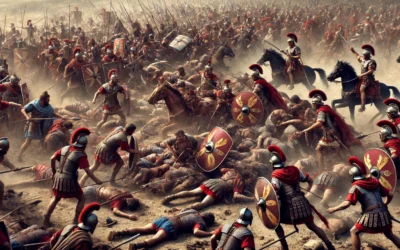
The battle opened with a charge of Carthaginian war elephants, but Scipio’s troops countered with coordinated noise and spear tactics, disrupting the beasts and funneling them harmlessly through the Roman ranks. The Roman and Numidian cavalry drove back their Carthaginian counterparts, while disciplined Roman legions engaged Hannibal’s infantry in a brutal, prolonged melee.
The turning point came when Scipio’s cavalry returned to strike the Carthaginians from the rear, collapsing their lines. Hannibal, recognizing defeat, escaped the field, but the battle was lost. Scipio had succeeded where no Roman before him had—defeating Hannibal in open battle.
Aftermath and Peace Terms
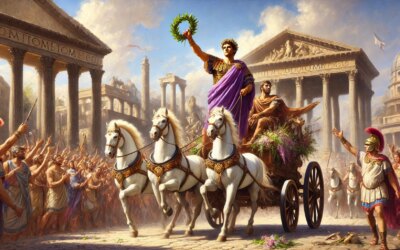
The Roman victory at Zama ended the Second Punic War. Carthage was forced to surrender its navy, pay a crippling indemnity, and cede its empire beyond Africa. Hannibal, though respected, became a statesman in a diminished Carthage before fleeing into exile. Scipio returned to Rome a hero and was granted the title “Africanus.”
Legacy of Zama
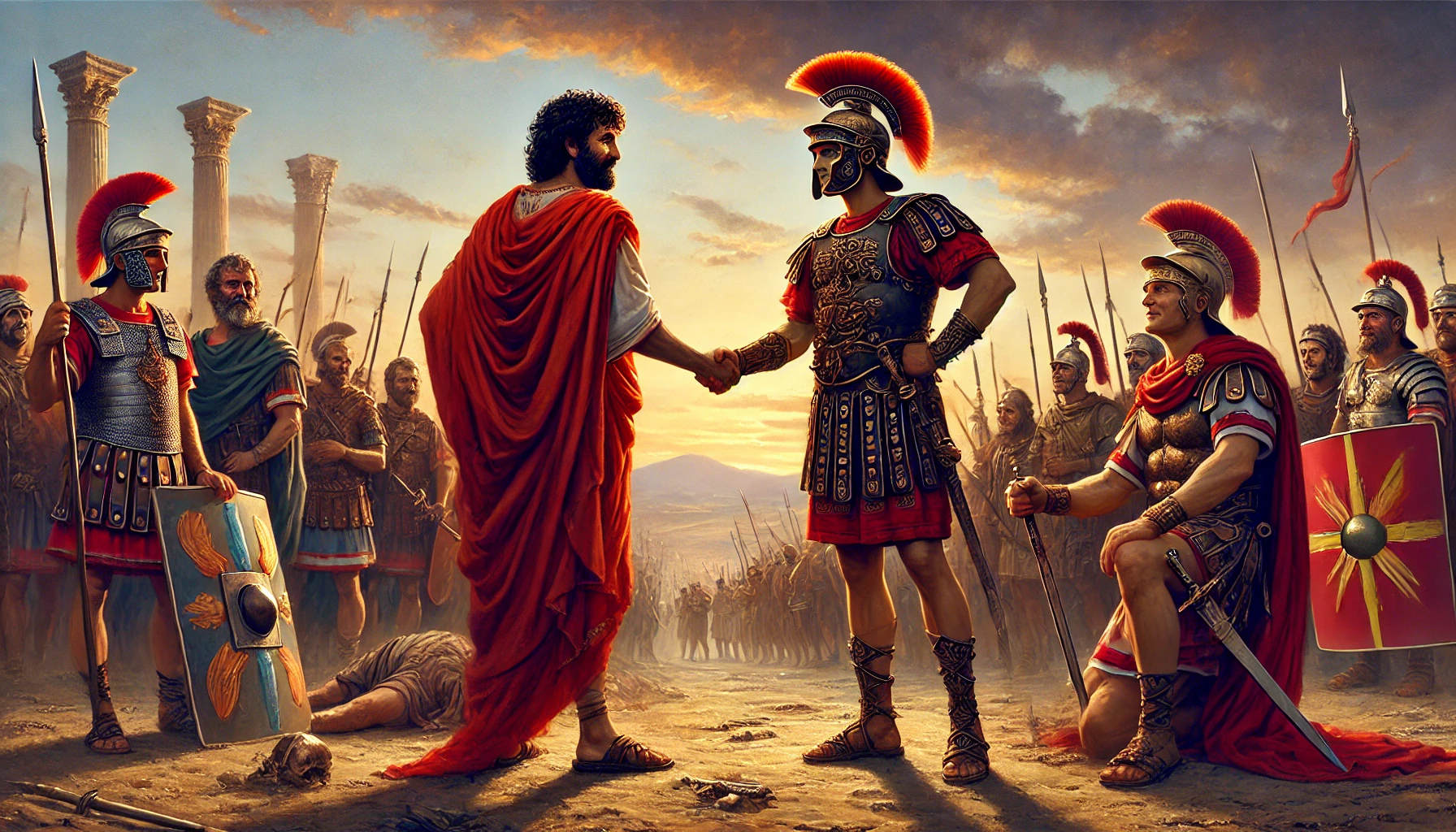
The battle redefined the balance of power in the ancient world. Rome emerged as the dominant power in the western Mediterranean, setting the stage for its imperial expansion. Zama showcased the effectiveness of Roman adaptability, discipline, and diplomacy. The personal respect between Scipio and Hannibal, reportedly culminating in a final meeting years later in exile, reflected the honor and rivalry that defined classical warfare.
Conclusion: The End of an Era
The Battle of Zama was more than a military victory—it was the symbolic conclusion of a generation-long struggle between two civilizations. In the dust of the African plain, Hannibal’s dreams of Carthaginian supremacy faded, and Rome’s ascent to global power began. Scipio and Hannibal, remembered as two of history’s greatest generals, faced each other not just in war, but in legacy. Zama sealed their fates—and changed the world.