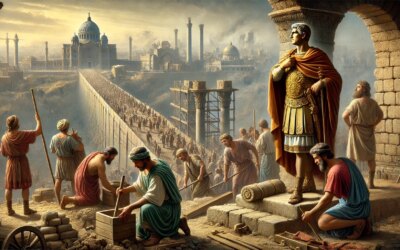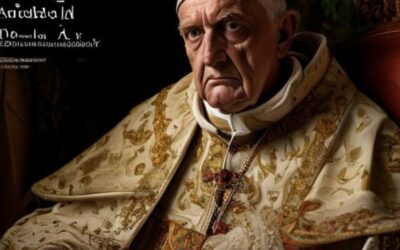
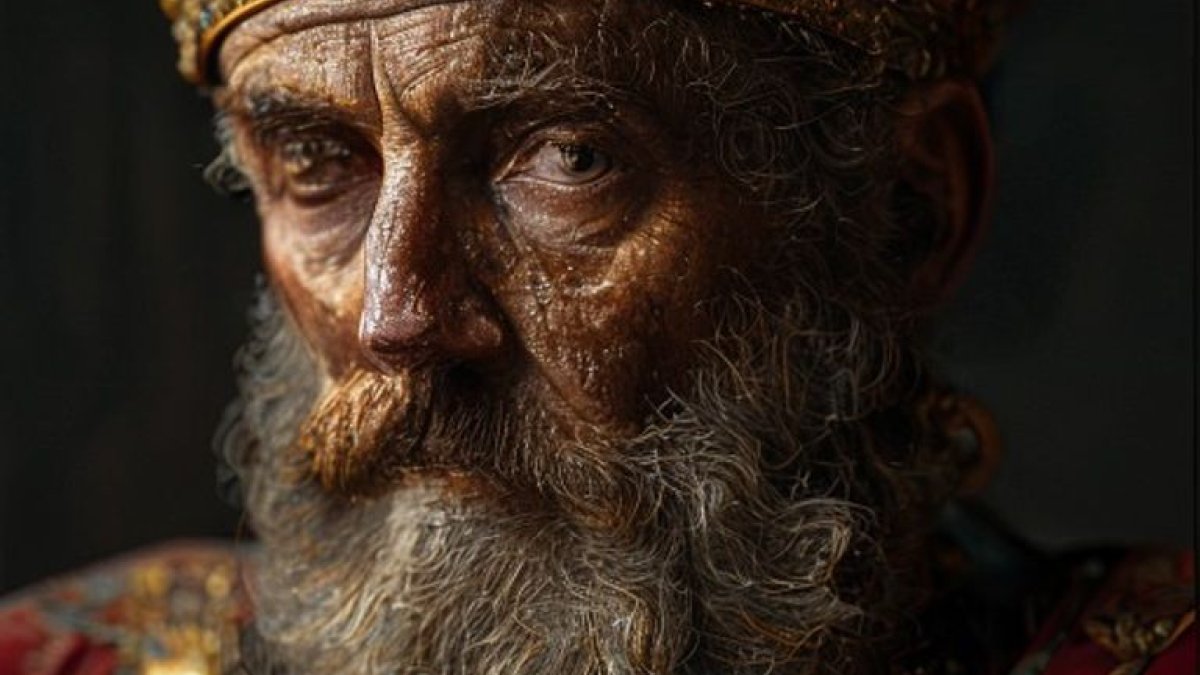
In the tumultuous landscape of the early 8th century, the Byzantine Empire, heir to Rome’s eastern legacy, faced myriad challenges, from Arab expansion to internal theological disputes. It was against this backdrop that Emperor Leo III, a ruler determined to centralize imperial authority and purify religious practice, issued a pivotal decree that would send shockwaves across the Christian world. This watershed moment, encapsulated by the Leo III Edict Against Icons around 726 AD, initiated what is now known as the Iconoclastic Controversy. For over a century, this theological and political struggle would define Byzantine art, faith, and imperial-papal relations, creating deep rifts that echoed Rome’s ancient divisions and forcing both Eastern and Western Christians to grapple with the very nature of sacred imagery.
Emperor Leo III and His Motivations
Emperor Leo III, known as the Isaurian, rose to power in 717 AD, successfully defending Constantinople against a major Arab siege. His military prowess and strategic acumen solidified his rule, and he believed his victories were a sign of divine favor. This conviction fueled his desire to purify the empire’s religious practices. Leo, possibly influenced by the aniconic traditions prevalent in Islam, and perhaps genuinely believing that the veneration of icons was a form of idolatry, saw the lavish use of religious images as a potential source of divine displeasure. Natural disasters, such as the devastating volcanic eruption of Thera in 726 AD, were interpreted by some, including the Emperor, as a direct sign of God’s wrath against the empire’s perceived impiety regarding icons. Consolidating his spiritual authority and unifying the diverse religious sentiments within his realm became a paramount concern.
The Edict and Its Immediate Repercussions
The initial Leo III Edict Against Icons, issued around 726 AD, was not an outright ban on all religious images. Instead, it targeted the public veneration of icons, advocating for their removal from churches or their placement beyond the reach of the laity. This seemingly subtle distinction, however, sparked immediate and fierce resistance. In Constantinople, attempts to remove a prominent icon of Christ from the Chalke Gate led to riots and even fatalities. Throughout the empire, particularly in the western provinces and monastic communities, the edict was met with defiance. The most significant opposition came from Pope Gregory II in Rome, who condemned the Emperor’s interference in matters of doctrine. He viewed icon veneration as a legitimate and ancient practice, and his strong stance contributed to the growing estrangement between the Byzantine East and the Latin West.
Theological Debates and Political Fallout
The Iconoclastic Controversy evolved into a profound theological debate about the nature of Christ, the role of images in worship, and the relationship between the divine and material worlds. Iconoclasts argued that images of Christ were impossible to portray without either dividing his divine and human natures or confusing them, thereby falling into heresy. Furthermore, they held that venerating icons was akin to pagan idolatry. Iconophiles, on the other hand, argued that icons served as windows to the divine, aiding believers in prayer and teaching. They distinguished between latria (worship due only to God) and proskynesis (veneration or reverence shown to the image, which passed to the prototype). The controversy had immense political implications, strengthening the Papacy’s independence from Constantinople and deepening the schism that would eventually lead to the definitive separation of Eastern and Western Christendom. Monastic communities, often strong proponents of icons, faced severe persecution, and vast numbers of artworks were destroyed, altering the course of Byzantine art for generations.
The End of the First Iconoclasm and Its Legacy
The first period of Iconoclasm, initiated by the Leo III Edict Against Icons, lasted until 787 AD. This cessation was largely due to the efforts of Empress Irene, who, as regent for her young son Constantine VI, convened the Second Council of Nicaea. This council formally reaffirmed the veneration of icons, clarifying the theological distinctions between worship and reverence. While Iconoclasm would briefly resurface in the 9th century, its initial phase established a lasting legacy. It solidified the Papacy’s temporal power and fostered the growing political independence of Italy from Byzantine oversight. The debates profoundly shaped Eastern Orthodox theology regarding sacred art, ultimately leading to the ‘Triumph of Orthodoxy’ in 843 AD. Furthermore, the destruction of pre-Iconoclastic art makes the surviving works from this period incredibly precious and rare, offering a glimpse into a pivotal and turbulent era of Roman-Byzantine history.
Frequently Asked Questions
What was the primary goal of Emperor Leo III’s Edict Against Icons?
Emperor Leo III’s primary goal with the edict was to reform religious practices within the Byzantine Empire, believing that the veneration of icons constituted idolatry and angered God. He also sought to consolidate imperial authority over the Church and unify his diverse population, potentially influenced by Islamic aniconism.
When did the first phase of the Iconoclastic Controversy begin and end?
The first phase of the Iconoclastic Controversy began around 726 AD with Emperor Leo III’s initial decrees and officially concluded in 787 AD with the Second Council of Nicaea, which restored the veneration of icons.
How did the Papacy in Rome react to Byzantine Iconoclasm?
The Papacy, particularly Pope Gregory II, strongly condemned Byzantine Iconoclasm. Roman popes viewed the veneration of icons as a legitimate Christian practice and saw the Emperor’s interference as an illegitimate assertion of secular power over religious doctrine, further straining East-West relations.
What were the main arguments of the Iconoclasts?
Iconoclasts argued that religious images were idols, violating the biblical commandment against graven images. They also contended that it was impossible to depict Christ without either separating his divine and human natures (Nestorianism) or confusing them (Monophysitism), thus committing heresy. They believed divine displeasure, manifested in natural disasters, was due to icon veneration.