The early 4th century CE was a period of immense upheaval and transformation for the Roman Empire, grappling with internal strife, political instability, and most significantly, the persistent persecution of Christians. Amidst this tumultuous backdrop, a monumental declaration emerged that would forever alter the religious landscape of the ancient world: the Edict of Milan 313 AD. Jointly issued by Emperors Constantine I and Licinius, this proclamation granted universal religious freedom throughout the Roman Empire, effectively ending decades of state-sponsored persecution against Christians and other non-traditional cults. This single act not only legalized Christianity but also set it on a path to becoming the dominant religion, influencing imperial policy, societal structure, and the very fabric of Roman identity for centuries to come. Its repercussions resonate even today, illustrating the profound shift from an era of intolerance to one that, however briefly, embraced religious diversity.
The Persecuted Church: A Pre-Edict Landscape
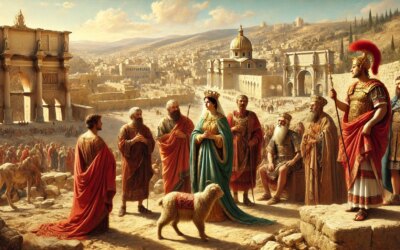
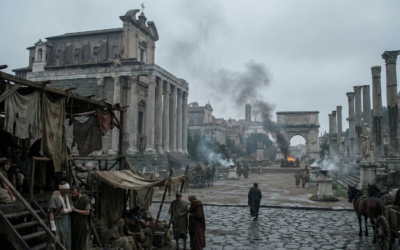
Before the Edict of Milan 313 AD, Christians faced sporadic yet often brutal persecution across the Roman Empire. While the Roman state generally tolerated diverse religious practices, the monotheistic and exclusive nature of Christianity, coupled with its adherents’ refusal to participate in emperor worship or traditional Roman cults, was seen as a threat to imperial unity and order. Major persecutions, such as those under Emperor Decius (250–251 CE) and especially Diocletian (303–311 CE), aimed to eradicate Christianity entirely. Diocletian’s ‘Great Persecution’ involved the destruction of churches, burning of scriptures, and systematic torture and execution of clergy and lay Christians alike. This period instilled deep fear but also forged a strong sense of community and martyrdom among Christians, setting the stage for the dramatic shift that the Edict would bring.
Why Christians Were Singled Out
- Refusal of Emperor Worship: Christians saw emperor worship as idolatry, an act deeply offensive to their faith.
- Perceived Disloyalty: Their exclusive allegiance to Christ was often misinterpreted as disloyalty to the state.
- Social Isolation: Christians often separated themselves from traditional Roman festivals and customs, leading to accusations of atheism and misanthropy.
- Scapegoating: They were convenient scapegoats for natural disasters or social ills, fueling public hostility.
The Architects of Change: Constantine and Licinius
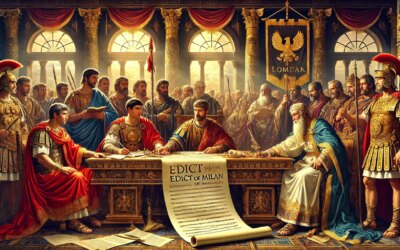
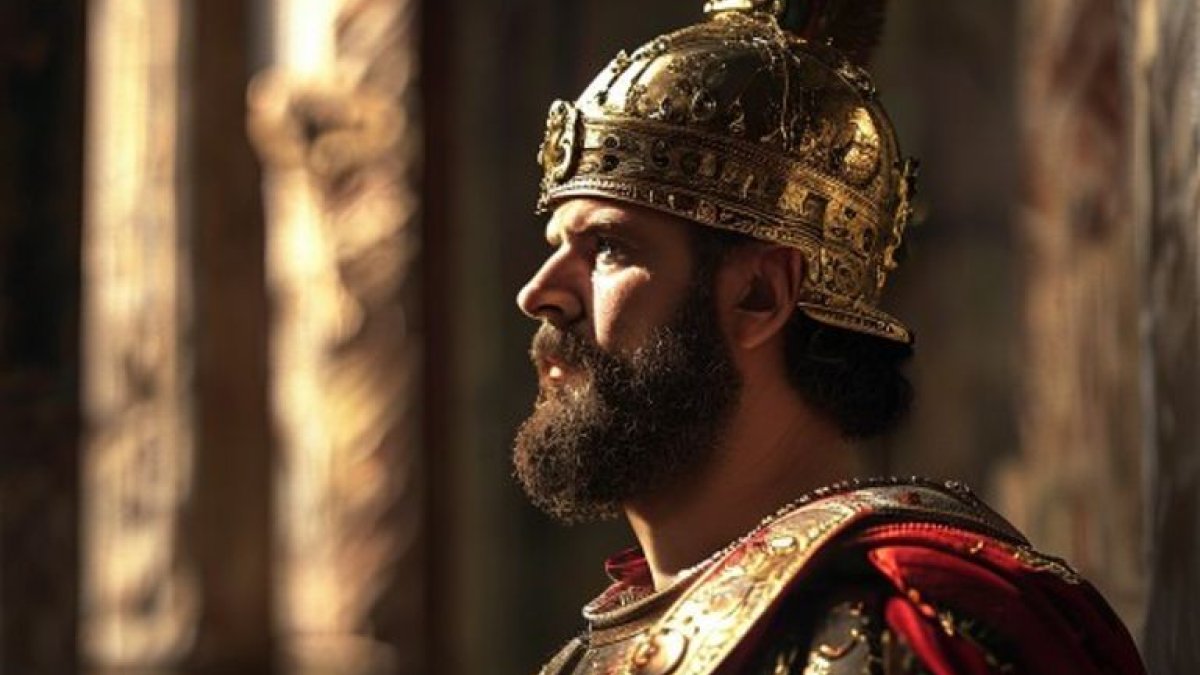
The Edict of Milan was the brainchild of two Roman emperors: Constantine I, who ruled the Western Roman Empire, and Licinius, his counterpart in the East. Their motivations, though seemingly aligned, were complex and likely stemmed from a mix of political pragmatism and personal conviction. Constantine’s conversion to Christianity, famously spurred by a vision before the Battle of the Milvian Bridge in 312 CE, is often cited as a key factor. He believed the Christian God had granted him victory, and thus saw the promotion of Christianity as both a moral imperative and a means to secure divine favor for the Empire. Licinius, while not a Christian himself, recognized the futility and societal damage wrought by the persecutions and likely sought to stabilize his own territories by ensuring religious peace. The Edict itself was not a single document but a letter dispatched from Milan to provincial governors, reiterating principles established by Galerius’ Edict of Toleration in 311 CE, but with far greater scope and emphasis on restitution and universal freedom of worship.
Key Aspects of the Edict
- Religious Freedom: Granted freedom to all citizens to worship any deity they chose, explicitly including Christians.
- Restitution of Property: Ordered the return of confiscated church property to Christian communities.
- State Support: Signified a shift from persecution to a policy of benevolent neutrality, and eventually, state support for Christianity.
From Tolerance to Triumph: The Edict’s Enduring Legacy
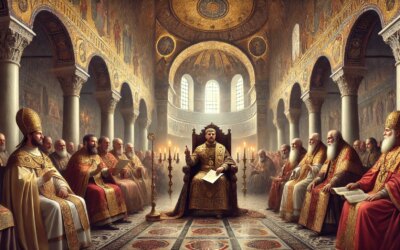
The impact of the Edict of Milan 313 AD was immediate and profound, but its long-term effects reshaped the course of Western civilization. Overnight, Christians could practice their faith openly, build churches, and organize their ecclesiastical structures without fear of reprisal. This newfound freedom allowed Christianity to flourish, attracting new converts and consolidating its power within the Empire. Within a few decades, under emperors like Theodosius I, Christianity would transition from a tolerated religion to the official state religion of the Roman Empire. This shift had monumental consequences:
Transformative Effects of the Edict
- Growth of Christianity: Unfettered by persecution, Christian communities grew exponentially, integrating into all levels of Roman society.
- Church Building: Extensive construction of basilicas and churches began, often with imperial patronage, transforming the urban landscape.
- Theological Development: Freed from the immediate threat of persecution, Christian scholars and theologians could focus more on doctrine and church organization, leading to significant councils like Nicaea.
- Shift in Imperial Identity: The Empire began to associate its destiny with the Christian God, fundamentally altering its ideological foundations.
Ultimately, the Edict of Milan stands as a watershed moment, not just for the history of Christianity but for the broader concept of religious liberty and the intricate relationship between state power and religious belief.
Frequently Asked Questions
What was the primary purpose of the Edict of Milan?
The primary purpose of the Edict of Milan was to grant religious tolerance and freedom of worship to all people throughout the Roman Empire, specifically ending the persecution of Christians and allowing them to practice their faith openly.
Who issued the Edict of Milan and in what year?
The Edict of Milan was jointly issued by the Roman Emperors Constantine I (of the Western Roman Empire) and Licinius (of the Eastern Roman Empire) in 313 AD.
Did the Edict of Milan make Christianity the official religion of the Roman Empire?
No, the Edict of Milan did not make Christianity the official religion of the Roman Empire. It merely granted religious tolerance, allowing Christians to worship freely. Christianity became the state religion much later, under Emperor Theodosius I, with the Edict of Thessalonica in 380 AD.
What came before the Edict of Milan regarding Roman religious policy towards Christians?
Before the Edict of Milan, Christians faced periods of severe persecution, most notably the Great Persecution under Emperor Diocletian (303-311 AD). This policy aimed to suppress or eradicate Christianity through systematic torture, executions, and the destruction of churches and scriptures.