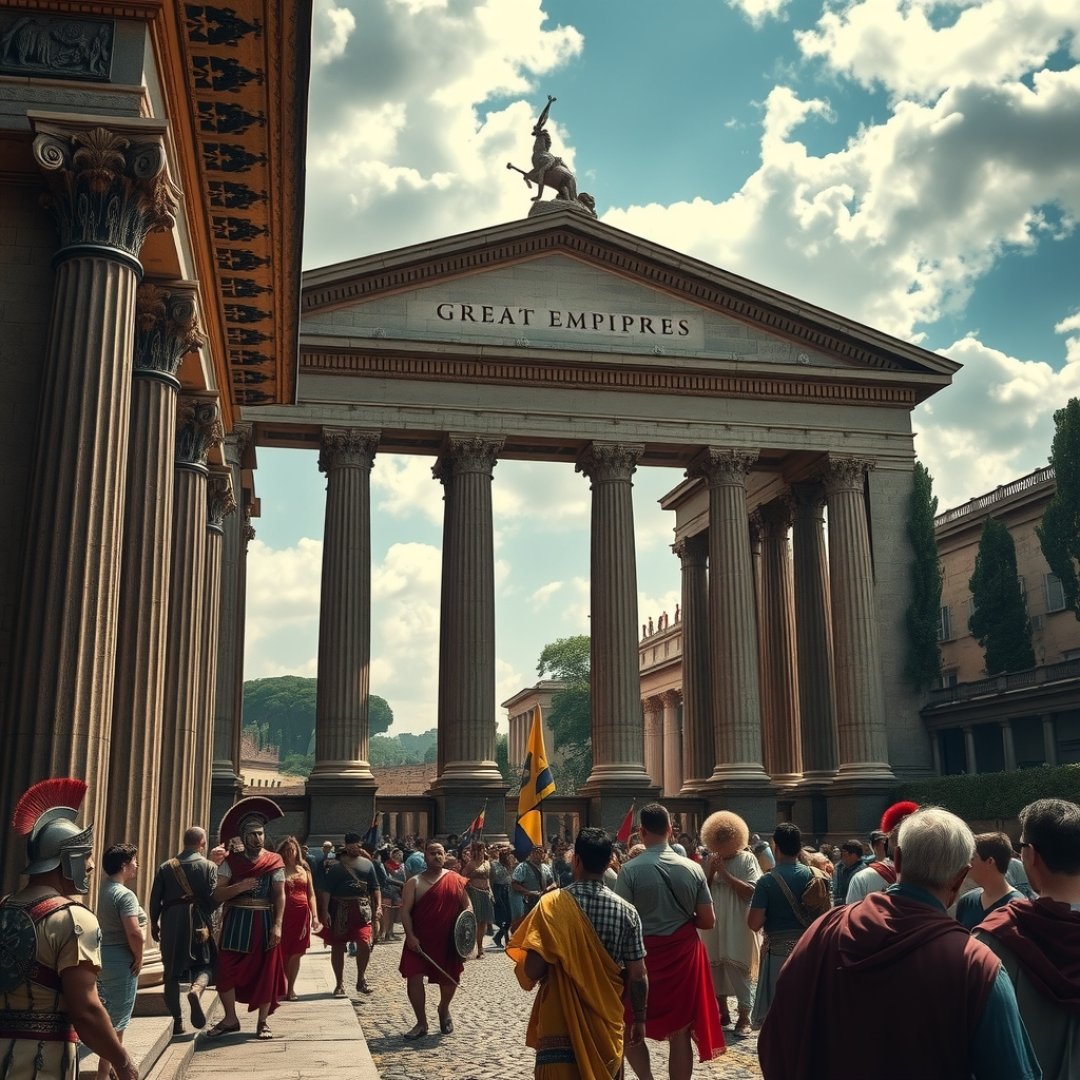
In the autumn of AD 176, the city of Rome exploded in an unparalleled spectacle of military might and imperial grandeur: the Great Roman Triumph AD 176. This monumental celebration marked the culmination of years of arduous warfare along the northern frontier, a period known as the Marcomannic Wars. Emperor Marcus Aurelius, the philosopher-king who had spent much of his reign campaigning against fierce Germanic tribes and Sarmatian invaders, returned to the capital to claim his hard-won victory. Crucially, this triumph was shared with his young son, Commodus, whom Marcus Aurelius had elevated to co-emperor earlier that year. The event was not merely a military parade; it was a carefully orchestrated political statement, designed to reaffirm Roman dominance, solidify the imperial succession, and reassure a populace weary from plague and constant warfare. The pageantry served as a powerful reminder of Rome’s enduring strength and the divine favour believed to protect its rulers, setting the stage for Commodus’s eventual sole reign.
The Marcomannic Wars: A Struggle for the Northern Frontier
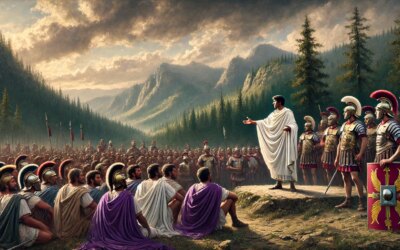
The years leading up to the Great Roman Triumph AD 176 were defined by intense conflict along Rome’s Danube frontier. The Marcomannic Wars, beginning in AD 166, saw a massive coalition of Germanic tribes, including the Marcomanni and Quadi, and Sarmatian groups like the Iazyges, break through Roman defenses and invade imperial territory. These incursions brought devastation as far south as Italy itself, threatening Roman stability on an unprecedented scale. Marcus Aurelius, eschewing the comforts of Rome, spent years personally leading legions in harsh campaigns across the Pannonian and Danubian plains. His strategic brilliance and relentless determination were instrumental in pushing back the invaders and re-establishing Roman authority, though at a significant cost in manpower and resources. The triumph was a much-needed symbol of respite and victory after a decade of struggle.
The Grand Procession: A Spectacle of Power and Piety
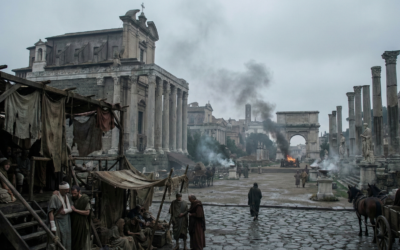
On December 23, AD 176, the city witnessed one of its most lavish triumphs. The procession followed the traditional route, culminating at the Temple of Jupiter Optimus Maximus on the Capitoline Hill. Details of the day’s events paint a vivid picture:
- Military Ranks: Legions, cohorts, and auxiliary units marched in full regalia, their standards gleaming, showcasing Rome’s military might.
- Captured Treasures: Vast quantities of plunder, including weaponry, valuable metals, and exotic goods seized from the defeated tribes, were paraded through the streets.
- Captive Leaders: Chieftains and other prominent figures from the conquered Germanic and Sarmatian peoples were led in chains, a stark display of Roman subjugation.
- Imperial Chariot: Marcus Aurelius rode in the triumphal chariot, adorned in the regalia of Jupiter. By his side, sharing the honor, was his sixteen-year-old son, Commodus, a highly unusual and significant gesture.
- Acclamations and Sacrifices: The streets were thronged with cheering citizens, and elaborate sacrifices were offered to the gods, particularly Jupiter, to give thanks for the victory.
The shared chariot ride with Commodus underscored the transition of power and his legitimate claim to the purple, presenting a united front for the future of the empire.
An Heir Presented: Commodus’s Rise to Co-Emperor
The Great Roman Triumph AD 176 was more than a celebration of military success; it was a carefully orchestrated moment of dynastic legitimization. Earlier that year, Marcus Aurelius had elevated Commodus to co-Augustus, making him the youngest emperor in Roman history at that point. By including him prominently in the triumph, Marcus Aurelius aimed to secure a smooth succession, preventing the civil strife that often followed the death of an emperor without a clear heir. This decision, though seemingly logical at the time, would have profound and ultimately tragic consequences for the empire. The triumph was meant to present Commodus as a worthy successor, a young man already sharing the burdens and glories of imperial rule, steeped in military victory and Roman tradition. It showcased the strength of the Antonine dynasty, despite the coming challenges.
Legacy and Irony: The Future Unwritten
While the triumph of AD 176 celebrated victory, the peace was fleeting. Marcus Aurelius would soon return to the Danube, dying on campaign just a few years later in AD 180. The shared triumph proved to be a harbinger of a new era, one that would see the end of the ‘Pax Romana’ stability associated with the previous Antonine emperors. Commodus, left to rule alone, would famously abandon his father’s policies, opting for personal glorification over imperial duty. The bronze equestrian statue of Marcus Aurelius, mistakenly preserved through the centuries because it was believed to be Constantine, serves as one of the most enduring artistic reminders of this period, a stark contrast to the short-lived glory of the triumph it commemorated. The event encapsulated both the apex of Roman power under the philosopher-emperor and the nascent seeds of future imperial instability.
Frequently Asked Questions
What were the Marcomannic Wars?
The Marcomannic Wars were a series of conflicts between the Roman Empire and a coalition of Germanic tribes (Marcomanni, Quadi) and Sarmatians (Iazyges) along the Danube frontier, lasting from AD 166 to 180. These wars saw significant invasions into Roman territory, even reaching Italy.
Who were Marcus Aurelius and Commodus?
Marcus Aurelius was a Roman Emperor (AD 161-180), known as one of the ‘Five Good Emperors’ and for his Stoic philosophy. Commodus was his son and successor (AD 177-192), who became co-emperor with his father in AD 177 and is often seen as a controversial and less effective ruler.
What was the significance of Commodus participating in the triumph?
Commodus’s participation was highly significant as it publicly solidified his position as co-emperor and heir apparent. By riding alongside his father in the triumphal chariot, Marcus Aurelius visually confirmed the dynastic succession and presented Commodus as a legitimate and victorious future ruler of Rome.
Where did the Great Roman Triumph AD 176 take place?
The triumph took place in the city of Rome, following the traditional route that began outside the Pomerium (the sacred boundary of the city), passed through key landmarks like the Circus Maximus and the Forum Romanum, and concluded with sacrifices at the Temple of Jupiter Optimus Maximus on the Capitoline Hill.
Did the victory celebrated in AD 176 secure lasting peace?
While the triumph marked a significant Roman victory and a period of relative calm, the peace was not entirely lasting. Marcus Aurelius had to return to the Danube frontier shortly after the triumph to continue campaigns, and he died there in AD 180. Commodus, upon becoming sole emperor, pursued a more conciliatory policy with the Germanic tribes, but the underlying pressures on the frontier remained.