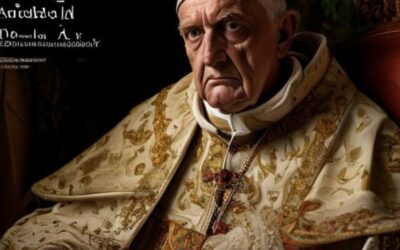
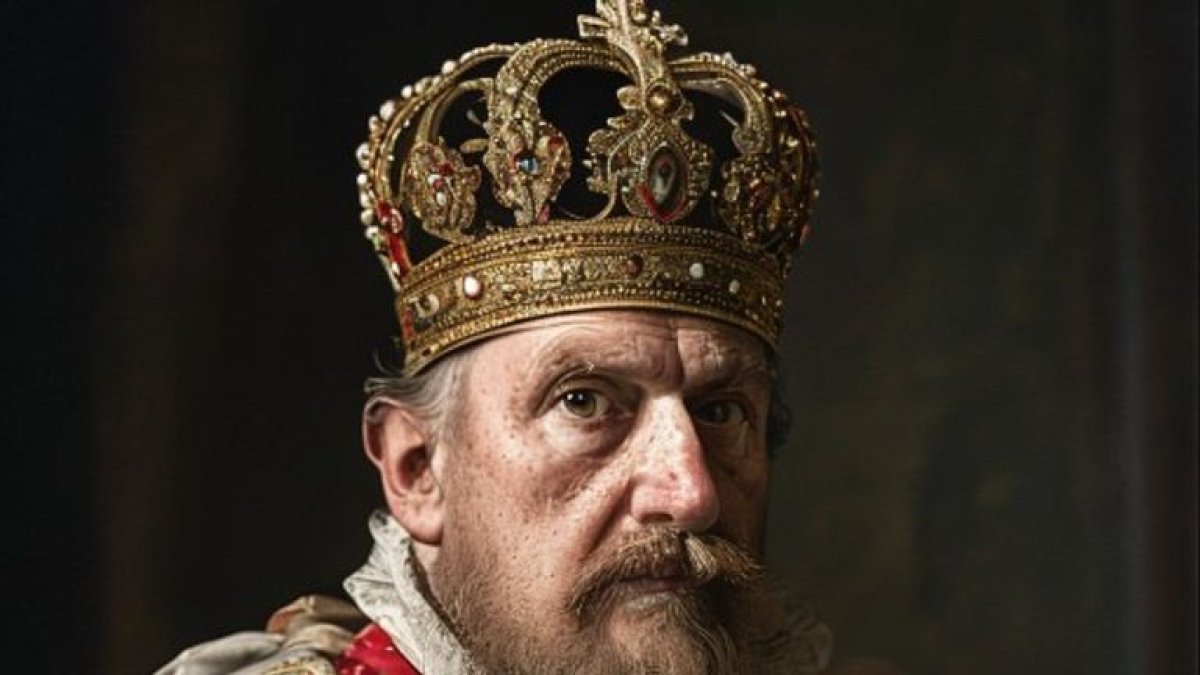
This period in Roman history, specifically the early 12th century, was marked by the enduring and often violent struggle between the Holy Roman Emperors and the Papacy over the right of investiture. One of the most dramatic episodes occurred in 1111, culminating in the significant Henry V Papal Conflict. This power struggle saw the young Emperor Henry V, determined to secure his imperial coronation and assert his authority, march into Rome, only to find himself embroiled in a tense standoff with Pope Paschal II. The ensuing events, which included the brief imprisonment of the Pope and a controversial agreement, not only highlighted the deep-seated divisions plaguing medieval Europe but also significantly shaped the relationship between secular and ecclesiastical powers. Understanding this pivotal confrontation is crucial to grasping the complex political and religious landscape of the high Middle Ages and the gradual evolution of papal supremacy against imperial claims.
Henry V’s March to Rome and Pope Paschal II’s Dilemma
In the year 1111, Henry V, the ambitious young Holy Roman Emperor, embarked on a critical journey to Rome. His primary objective was twofold: to receive his long-awaited imperial coronation from the Pope and to finally resolve the protracted Investiture Controversy, a dispute that had plagued imperial-papal relations for decades. Pope Paschal II, a staunch defender of the Gregorian reforms, was resolute in his opposition to lay investiture, the practice by which secular rulers appointed bishops and abbots. Initially, Paschal II proposed a radical solution known as the “Pact of Sutri”: German bishops and abbots would relinquish their vast imperial properties and regalia, and in return, Henry V would renounce all claims to lay investiture. While this would have freed the Church from secular influence, it met with fierce opposition from the German prelates, who saw their power and wealth threatened by such a move.
The Tumultuous Coronation Attempt and Papal Imprisonment
The planned imperial coronation on February 12, 1111, in St. Peter’s Basilica, quickly descended into chaos. As the ceremony began, the terms of the Sutri agreement were read aloud, sparking outrage among the assembled German nobles and bishops. They vociferously protested the clause demanding the surrender of their feudal holdings. The Roman populace, equally incensed by what they perceived as an imperial attempt to undermine the Church and seize its wealth, erupted in riots outside the basilica. Amidst the pandemonium, Henry V, frustrated by the breakdown of negotiations and the public outcry, ordered his troops to arrest Pope Paschal II and several cardinals. The Pope was held captive for two months, enduring immense pressure and harsh conditions.
The Treaty of Ponte Mammolo and Its Immediate Aftermath
Under duress, and seeking to avoid further bloodshed and protect his clergy, Pope Paschal II capitulated to Henry V’s demands. On April 11, 1111, he signed the humiliating Treaty of Ponte Mammolo, also known as the “Privilegium.” This agreement granted Henry V the right to invest bishops and abbots with the ring and crozier—symbols of their spiritual authority—before their consecration. In return, Paschal II agreed to crown Henry V as emperor, which he promptly did. However, the concession was immediately met with condemnation from reform-minded clergy across Europe. Councils were held, notably the Lateran Council of 1112, where Paschal II, freed from imperial constraint, publicly repudiated the Privilegium as an act extracted under duress, declaring it null and void. This repudiation reignited the Investiture Controversy and placed Paschal II in a difficult position with his own reformist allies.
Legacy of the 1111 Confrontation
The dramatic Henry V Papal Conflict of 1111 proved to be a critical, albeit turbulent, chapter in the Investiture Controversy. While Henry V achieved his immediate goal of imperial coronation and a temporary victory in the investiture dispute, the coerced agreement ultimately backfired on both parties. For the Papacy, it solidified the conviction that lay investiture was an intolerable encroachment on spiritual authority, strengthening the reform movement’s resolve. For Henry V, the repudiation of the Privilegium meant his imperial authority remained contested and his relationship with the Church remained fraught. This confrontation set the stage for continued negotiations and compromises, eventually culminating in the Concordat of Worms in 1122. The Concordat, a landmark agreement, differentiated between the spiritual and temporal aspects of ecclesiastical office, effectively ending the Investiture Controversy and establishing a new framework for church-state relations in the Holy Roman Empire.
Frequently Asked Questions
What was the primary cause of the Henry V Papal Conflict in 1111?
The primary cause was the ongoing Investiture Controversy, a dispute over the right of secular rulers to appoint bishops and abbots, combined with Emperor Henry V’s desire for imperial coronation by the Pope.
Who was Pope Paschal II, and what was his stance on investiture?
Pope Paschal II was a pope from 1099 to 1118, a staunch proponent of the Gregorian reforms, which aimed to free the Church from secular control. He firmly opposed lay investiture, viewing it as a usurpation of spiritual authority by temporal powers.
What happened during Henry V’s attempted coronation in Rome?
The coronation ceremony in St. Peter’s in 1111 erupted into chaos when the proposed agreement (the Pact of Sutri), which demanded German bishops surrender their feudal holdings, was rejected. Riots broke out, and Henry V responded by arresting Pope Paschal II and several cardinals.
What was the Treaty of Ponte Mammolo, and why was it controversial?
The Treaty of Ponte Mammolo (1111) was a coerced agreement signed by Paschal II while imprisoned, granting Henry V the right to invest bishops and abbots. It was highly controversial because it was extracted under duress and appeared to reverse decades of papal reform against lay investiture, leading to its subsequent repudiation by Paschal II.
What was the long-term significance of the 1111 conflict?
The 1111 conflict significantly intensified the Investiture Controversy, making it clear that a complete separation of spiritual and temporal authority was necessary. It ultimately paved the way for the Concordat of Worms (1122), which offered a compromise and established a new model for Church-state relations.