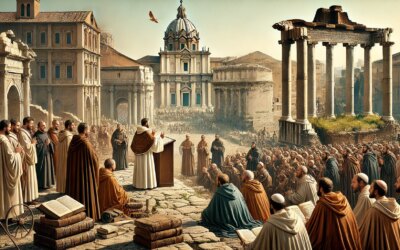
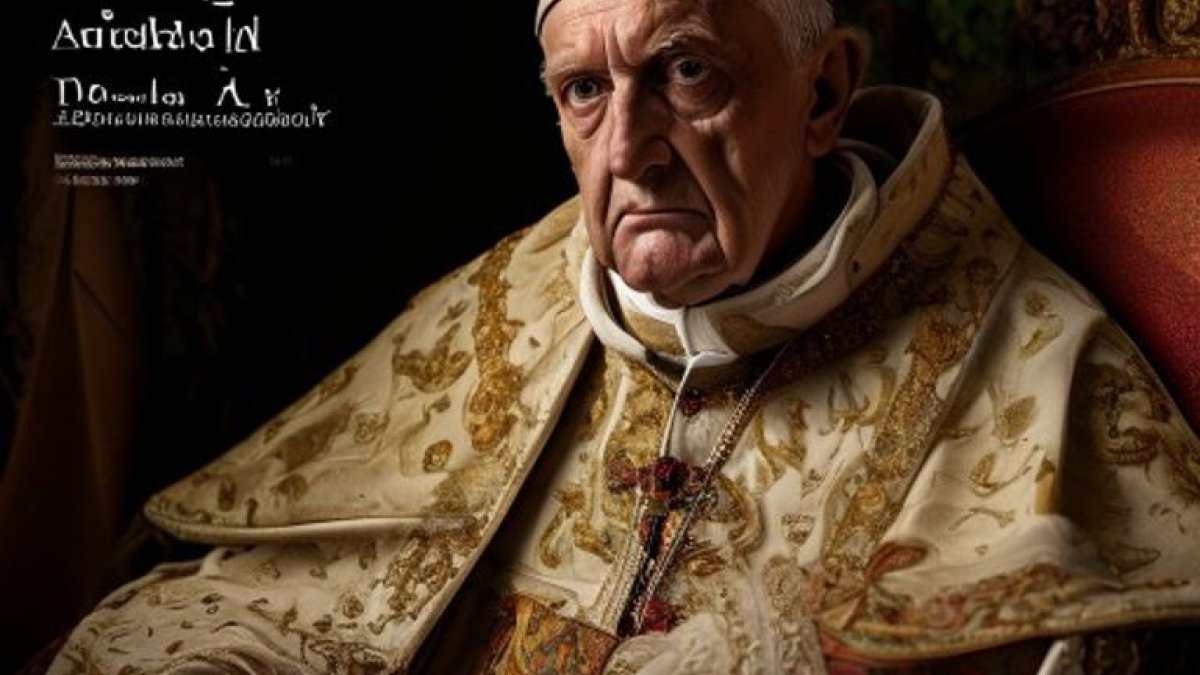
The passing of a truly monumental figure inevitably casts a long shadow, and few figures in early medieval history cast a longer one than Pope Gregory I. The Pope Gregory I death in 604 AD marked the end of an extraordinary pontificate, one that profoundly shaped the spiritual, administrative, and political landscape of Rome and indeed, much of Western Europe. Known as Gregory the Great, his eighteen-year tenure saw him navigate complex relationships with Lombard invaders, solidify papal authority, promote monasticism, and send missionaries to distant lands like Anglo-Saxon England. His departure left a significant void, but the structures and doctrines he meticulously established ensured that the Roman See would continue to exert immense influence, transforming from a spiritual leader into a formidable temporal power and laying much of the groundwork for the medieval papacy. His pontificate is often seen as a crucial bridge between the classical world and the emerging medieval era, and understanding the circumstances and impact of his death is key to grasping the trajectory of the Church in late antiquity.
The Final Years and Enduring Influence of a Statesman Pope
Pope Gregory I’s final years leading up to his death in March 604 AD were characterized by continued efforts to govern, instruct, and protect the beleaguered city of Rome and its surrounding territories. Despite suffering from chronic illness, including gout and stomach ailments, Gregory maintained a prolific output of writings, sermons, and letters, which later earned him the title of Doctor of the Church. His administrative genius was evident in his management of the vast papal estates, ensuring the food supply for Rome and organizing its defenses against the ever-present threat of the Lombards. He also worked tirelessly to maintain ecclesiastical discipline, combating simony and ensuring proper episcopal appointments. The weight of his responsibilities was immense, yet his commitment to the welfare of his flock and the integrity of the Church remained unwavering, even as his physical health deteriorated.
Gregory’s Theological and Liturgical Contributions
Beyond his political and administrative prowess, Gregory’s lasting impact derived significantly from his theological and liturgical reforms. He codified the Roman Mass, revised the Roman chant (giving rise to what became known as Gregorian chant), and authored influential works such as the Moralia in Job and Dialogues. These texts not only shaped Christian theology for centuries but also provided practical spiritual guidance for both clergy and laity. His emphasis on pastoral care and the active role of the bishop in guiding souls was revolutionary. It demonstrated a profound understanding of the practical challenges of faith in a turbulent age, cementing his reputation as a pastor of souls and a master of spiritual counsel.
Succession and the Shadow of Byzantium
The immediate aftermath of Pope Gregory I’s death saw the election of Sabinian as his successor, a process that underscored the complex relationship between the Papacy and the Byzantine Empire. Sabinian, who had previously served as Gregory’s apocrisiarius (papal legate) in Constantinople, faced the immediate challenge of living up to his predecessor’s colossal reputation. Unlike Gregory, who had enjoyed a degree of operational independence from the Exarchate of Ravenna due to the exigencies of the Lombard threat, Sabinian’s pontificate would be more directly influenced by imperial authority. The confirmation of a new pope by the Byzantine emperor was a standard practice at this time, highlighting the theoretical, if often strained, sovereignty of Constantinople over Rome.
Economic and Political Continuity
While Gregory had been adept at managing Rome’s food supply and defense, Sabinian inherited a city still struggling with famine and the ongoing Lombard incursions. His short pontificate (604-606 AD) was largely consumed with these practical matters. The economic stability that Gregory had painstakingly built through efficient management of the patrimonia Petri (Patrimony of St. Peter) was crucial for Sabinian. It allowed the papacy to continue providing essential services to the Roman populace, a role that increasingly fell to the bishops of Rome in the absence of effective imperial governance in Italy. This continuity of administrative function, established firmly by Gregory, became a hallmark of the early medieval papacy.
The Enduring Legacy: Shaping the Medieval Papacy
Even after the Pope Gregory I death, his principles and precedents continued to guide the Roman See for centuries. He transformed the papacy from a localized Roman institution into an international force, directly engaging with barbarian kingdoms and establishing missionary initiatives that would reshape the religious map of Europe. His vision of a unified Western Christendom, under the spiritual leadership of Rome, laid the ideological foundation for the future growth and influence of the Catholic Church.
The Role of Papal Authority and Evangelization
Gregory’s assertion of papal primacy, albeit in a nuanced way that respected the rights of other bishops, set a critical precedent. His correspondence with bishops across Gaul, Spain, and North Africa demonstrated a universal pastoral concern that extended far beyond Italy. Furthermore, his sponsorship of the mission of Augustine to the Anglo-Saxons in 597 AD, just a few years before his death, exemplifies his forward-looking approach to evangelization. This mission was a testament to his strategic thinking and his belief in the Church’s duty to spread Christianity, securing his place as a pivotal figure in the expansion of Latin Christianity and solidifying the Roman See’s role as a beacon of faith in the early medieval period.
Frequently Asked Questions
Who was Pope Gregory I?
Pope Gregory I, also known as Gregory the Great, was Pope from 590 to 604 AD. He is one of the most influential figures in the history of the Catholic Church, known for his administrative skills, theological writings, and missionary efforts.
What were Pope Gregory I’s major achievements?
His achievements include codifying the Roman Mass, promoting Gregorian chant, authoring significant theological works like Moralia in Job, managing papal estates, negotiating with the Lombards, and initiating the mission to convert the Anglo-Saxons in England.
How did Pope Gregory I’s death impact the papacy?
His death in 604 AD left a strong legacy that shaped the medieval papacy, establishing precedents for papal authority, administrative efficiency, and the papacy’s role in evangelization and political affairs across Western Europe.
Who succeeded Pope Gregory I?
Pope Gregory I was succeeded by Pope Sabinian in 604 AD. Sabinian had served as Gregory’s envoy to Constantinople and continued many of his predecessor’s policies, particularly regarding the welfare of Rome.