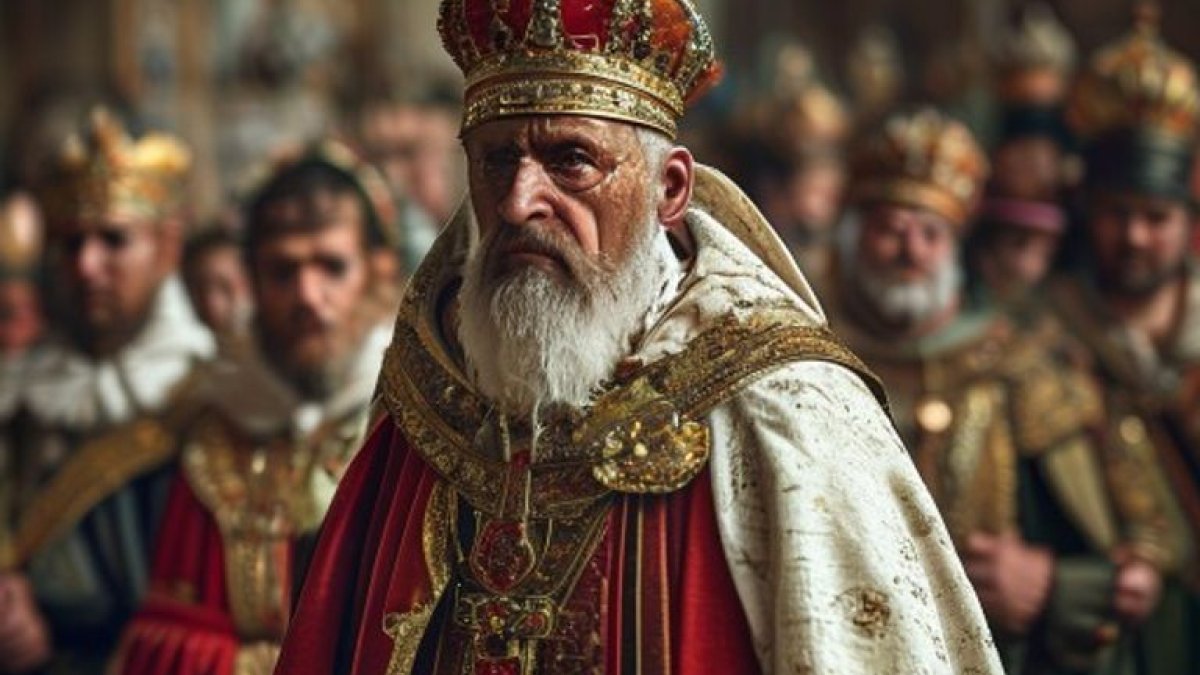
The late 11th century witnessed a pivotal moment in European and Middle Eastern history, a turning point ignited by a single, powerful sermon. In November 1095, at the Council of Clermont, Pope Urban II delivered an impassioned address that resonated throughout Christendom, effectively issuing a revolutionary decree: Pope Urban II’s Crusade Call. This summons urged the Christian faithful to embark on an armed pilgrimage to the East, aiming to reclaim Jerusalem and the Holy Land from Seljuk Turkish control. The repercussions of this historic gathering were immediate and far-reaching, setting in motion the colossal human endeavor known as the First Crusade, which would irrevocably alter political landscapes, religious dynamics, and the very fabric of society for centuries to come. The council’s decisions were not merely ecclesiastical; they were a declaration that would redefine the relationship between temporal and spiritual power, and unleash forces that neither the Pope nor the kings of Europe could fully control.
The Historical Context: A World in Flux
By the late 11th century, Western Europe was experiencing a period of significant change and internal conflict. The Investiture Controversy had strained relations between the Papacy and secular rulers, yet the Church was consolidating its moral authority. Feudal society, with its warrior aristocracy, provided a ready pool of armed men. Meanwhile, to the East, the Byzantine Empire, the direct heir to Roman imperial traditions, found itself increasingly beleaguered. Emperor Alexios I Komnenos had appealed to the West for military assistance against the Seljuk Turks, who had inflicted a crushing defeat at Manzikert in 1071 and encroached deeply into Anatolia, threatening Constantinople itself. This plea for aid, combined with growing concerns over the safety of Christian pilgrims to the Holy Land, set the stage for Urban II’s momentous intervention.
Pope Urban II and the Call at Clermont
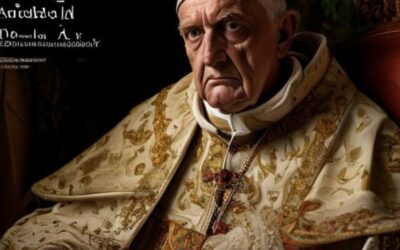
In November 1095, Pope Urban II convened a church council in Clermont, France. While the council addressed various ecclesiastical matters, its most enduring act occurred on November 27th, when Urban II delivered a powerful sermon in an open field to a vast crowd. Though no single authoritative text of his speech survives, contemporary accounts highlight its key themes:
-
An Appeal for Aid to Eastern Christians
Urban framed the expedition as a defensive measure, responding to the Byzantine Empire’s urgent request and the plight of Christians in the East.
-
The Liberation of Jerusalem
He vividly described the desecration of holy sites and the suffering of pilgrims, invoking a strong emotional response among the faithful to reclaim the Holy City.
-
Spiritual Rewards for Participants
Crucially, Urban offered a plenary indulgence, promising the remission of sins for those who died on the pilgrimage, equating it with a penitential act that guaranteed salvation.
-
Redirection of Feudal Violence
The Pope encouraged warring European lords to cease their internal conflicts and direct their martial energies towards a common, holy cause.
The immediate reaction was overwhelming. Cries of “Deus Vult!” (God Wills It!) erupted from the crowd, signifying their enthusiastic acceptance of Pope Urban II’s Crusade Call. Many immediately sewed crosses onto their garments, symbolizing their commitment to the sacred journey.
The Immediate Aftermath and Mobilization
Following the Council of Clermont, the message spread rapidly across Western Europe, primarily through monastic and ecclesiastical networks. The call resonated with diverse segments of society:
-
Popular Crusades
Preachers like Peter the Hermit galvanized thousands of commoners, forming the People’s Crusade, which set off prematurely in 1096, often ill-equipped and poorly disciplined, leading to significant hardship and violence before reaching the Holy Land.
-
Princely Crusades
Many influential nobles and their retinues, including Godfrey of Bouillon, Raymond IV of Toulouse, and Bohemond of Taranto, also committed to the venture. Their motivations were varied, encompassing genuine religious fervor, opportunities for land and wealth, and the pursuit of glory.
The logistical challenges of organizing such a massive, cross-continental expedition were immense. Armies gathered from different regions, converging in Constantinople before proceeding into Anatolia and the Levant. This mobilization, sparked directly by Pope Urban II’s Crusade Call at Clermont, marked the true beginning of the First Crusade in 1096, a campaign that would culminate in the capture of Jerusalem in 1099 and forever change the course of East-West relations.
Lasting Echoes and Historical Legacy
The Council of Clermont and Pope Urban II’s Crusade Call left an indelible mark on history, initiating a series of religious wars that would span centuries. Beyond the immediate military campaigns, the Crusades:
-
Strengthened Papal Authority
Urban II’s successful rallying of Europe underscored the Papacy’s growing power and its ability to mobilize vast resources for a spiritual cause, even over secular rulers.
-
Reshaped European Society
They stimulated trade, particularly with the East, fostered the growth of port cities, and led to the establishment of new military orders like the Knights Templar and Hospitaller. They also provided an outlet for the feudal aristocracy’s martial inclinations.
-
Altered East-West Relations
While initially aimed at aiding Byzantium, the Crusades often strained relations between the Latin West and the Greek East, culminating in events like the Fourth Crusade’s sack of Constantinople in 1204.
-
Left a Complex Legacy
The Crusades remain a controversial and complex topic, viewed differently across cultures and religions, symbolizing both religious zeal and devastating conflict.
Frequently Asked Questions
What was the primary goal of Pope Urban II’s address at Clermont?
Pope Urban II’s primary goal was to call upon Western European Christians to embark on an armed pilgrimage to reclaim Jerusalem and the Holy Land from Seljuk Turkish control, and to aid the Byzantine Empire against Turkish incursions.
Where exactly did the Council of Clermont take place?
The Council of Clermont took place in the city of Clermont (modern-day Clermont-Ferrand) in the Auvergne region of France.
Who responded to Pope Urban II’s call?
Both common people and powerful nobles from across Western Europe responded. This led to both spontaneous ‘People’s Crusades’ and more organized ‘Princely Crusades’.
What was the significance of ‘Deus Vult’?
‘Deus Vult’ (Latin for ‘God Wills It!’) was the enthusiastic cry heard from the crowd after Pope Urban II’s sermon, symbolizing widespread acceptance and fervent commitment to the crusade.
How did the Byzantine Empire fit into Urban II’s plan?
The Byzantine Empire’s appeal for military aid against the Seljuk Turks was a significant factor in Urban II’s decision to call for the crusade, though the ultimate aims expanded beyond mere assistance to include the liberation of Jerusalem.