
By the early 7th century, the Byzantine Empire teetered on the brink of collapse. Decades of relentless warfare with the Sasanian Persian Empire had drained its coffers, decimated its armies, and seen vast territories – including Syria, Palestine, Egypt, and Anatolia – fall under enemy control. Constantinople itself faced imminent threats. It was in this dire context, around 621 AD, that Emperor Heraclius, a man of immense resolve but facing unimaginable challenges, made a drastic and unprecedented decision: to tap into the immense resources of the Church. This controversial move, the Heraclius Church Wealth seizure, was not born of greed, but out of a desperate, last-ditch effort to save the empire from total annihilation, providing the crucial funds needed to launch a daring counter-offensive against the triumphant Persians and reclaim lost ground for Byzantium.
The Empire at its Nadir: A Desperate Hour for Byzantium
The Persian Tide Sweeps West
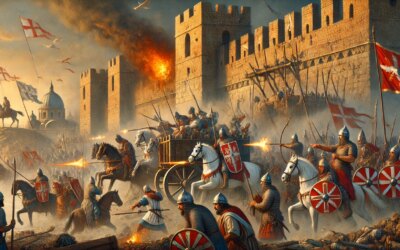
The early years of Heraclius’s reign (610–641 AD) were marked by catastrophic defeats. The Sasanian Shah Khosrow II pursued a relentless war of conquest, fueled by a desire to restore the Achaemenid Persian Empire. By 614, Jerusalem had fallen, its churches sacked, and the True Cross carried off to Ctesiphon. Egypt, the empire’s breadbasket, was lost by 619. Anatolia suffered repeated incursions, bringing Persian armies to the very gates of Constantinople. The empire’s traditional tax base was shattered, trade routes disrupted, and its military infrastructure strained beyond breaking point. The treasury was empty, and morale was at an all-time low, making radical solutions imperative for survival.
The Imperial Decree: Negotiating with the Patriarch
An Unprecedented Alliance of Church and State
Faced with an existential threat, Heraclius understood that conventional methods of fundraising would not suffice. He turned to the Patriarch Sergius I, head of the Church in Constantinople, proposing an unthinkable solution: the temporary seizure and melting down of ecclesiastical treasures. Initially, Sergius and the clergy were hesitant, recognizing the sacrilege involved. However, Heraclius masterfully appealed to their patriotism and religious duty, arguing that the survival of the Christian empire itself was at stake. He promised that all seized assets would be repaid once victory was achieved. This extraordinary negotiation resulted in a formal agreement, allowing the emperor access to vast reserves of gold, silver, and precious liturgical objects held within churches and monasteries across the empire.
The agreement was not a simple confiscation, but a desperate loan. Items targeted included:
- Gold and silver chalices and patens used in liturgical services.
- Reliquaries and votive offerings, often intricately adorned with jewels.
- Ornamental coverings for icons and sacred texts.
- Church plate and decorations not directly essential for daily worship.
This enormous infusion of capital allowed Heraclius to pay troops, commission new equipment, and rebuild vital infrastructure for his planned counter-offensive.
The Turn of the Tide: Strategic Investment and Renewed Hope
Financing the Counter-Offensive
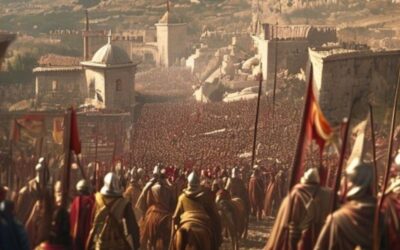
The funds acquired through the Heraclius Church Wealth seizure proved to be the lifeline the Byzantine Empire desperately needed. With this financial backing, Heraclius was able to recruit fresh armies, retrain existing forces, and equip them for a prolonged campaign. Crucially, it enabled him to launch his audacious and strategically brilliant counter-offensives into Persian territory, beginning in 622 AD. These campaigns, fought across Armenia and Mesopotamia, saw Heraclius personally leading his troops, inspiring them with religious fervor and a sense of divine mission. The financial sacrifice made by the Church was directly instrumental in enabling these victories, which ultimately reversed the tide of the war and led to the astonishing Byzantine triumph over the Sasanians by 628 AD, securing the empire’s immediate survival.
Long-Term Implications and Legacy
A Precedent for Future Crises
The precedent set by Heraclius’s desperate measure resonated throughout Byzantine history. While initially an emergency, the act underscored the imperial prerogative to utilize all available resources, even sacred ones, in times of extreme peril. It cemented a pragmatic relationship between the Church and the State, where the Church, despite its spiritual autonomy, was expected to contribute materially to the empire’s survival. Although Heraclius’s promise of repayment was largely fulfilled after the war, the episode demonstrated the ultimate authority of the emperor in matters of imperial survival, even over ecclesiastical property. This daring financial maneuver allowed Byzantium to regroup, survive, and lay the groundwork for a revitalized empire, albeit one soon to face new and formidable challenges from the rising power of Islam.
Frequently Asked Questions
Why was Heraclius forced to seize church wealth around 621 AD?
Emperor Heraclius resorted to seizing church wealth due to the dire financial crisis caused by the prolonged and devastating Byzantine-Sasanian War. The Persian conquests had cut off vital tax revenues and left the imperial treasury empty, making it impossible to fund the military without extreme measures.
What types of church wealth were targeted by Heraclius?
Heraclius primarily targeted non-essential but valuable ecclesiastical treasures. This included gold and silver liturgical objects like chalices and patens, elaborate reliquaries, votive offerings, and precious metal decorations from churches and monasteries, which were melted down to create coinage.
How did the Church and Patriarch Sergius I react to this unprecedented demand?
Initially, the Church and Patriarch Sergius I were reluctant, recognizing the sacrilegious nature of melting down sacred objects. However, Heraclius successfully argued that the very survival of the Christian empire was at stake, promising full repayment after victory. The Church ultimately agreed, seeing it as a patriotic and religious duty in a time of extreme crisis.
Was Heraclius’s promise to repay the Church for the seized wealth fulfilled?
Yes, Heraclius largely fulfilled his promise of repayment. Following the Byzantine victories against the Sasanians and the recovery of imperial territories, the empire’s finances improved, allowing for the restoration of many church assets or their monetary equivalent, reinforcing the bond between Church and State.
What was the long-term significance of Heraclius’s decision to utilize church funds for warfare?
Heraclius’s decision set a significant precedent in Byzantine history, demonstrating the emperor’s ultimate authority to tap into all available resources, even sacred ones, in times of existential threat. It solidified the Church’s role as a key contributor to imperial survival and influenced future state-church relations during crises.