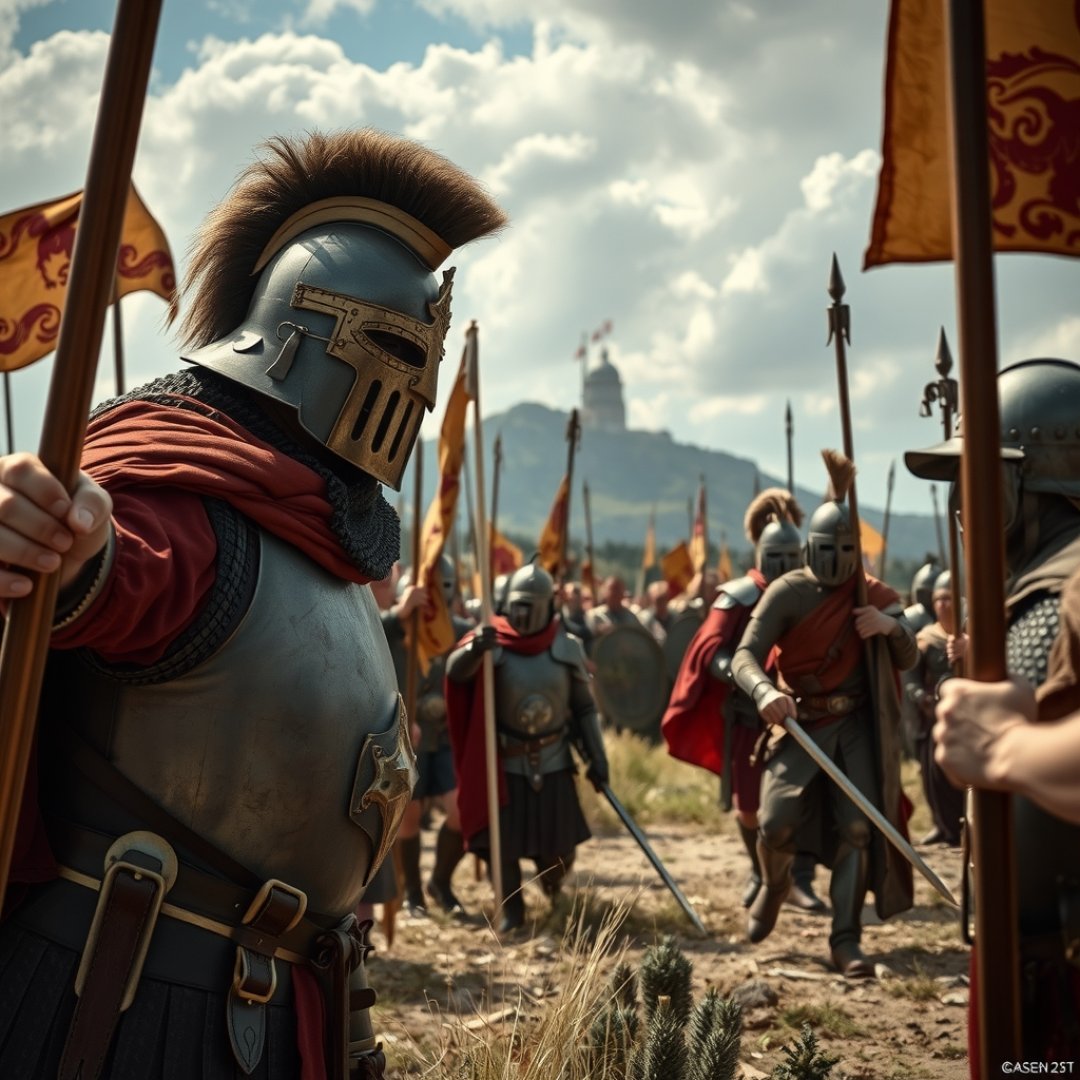
By the middle of the 6th century AD, the Eastern Roman (Byzantine) Empire under Emperor Justinian I was engaged in a brutal and protracted struggle to reclaim Italy from the Ostrogoths. After initial Byzantine successes led by Belisarius, the war entered a new, grim phase. It was against this backdrop that the pivotal Battle of Faventia 542 took place, an engagement that would dramatically alter the course of the conflict. This decisive Ostrogothic victory, masterminded by the charismatic new king Totila, not only showcased his military genius but also marked a significant turning point, rekindling Gothic hopes and extending the devastating war for more than a decade. The repercussions of this battle would be felt across the Italian peninsula, reshaping strategies and delaying Justinian’s ambitions for a full restoration of Roman authority in the West.
The Shifting Tides of the Gothic War Before Faventia
Justinian’s ambitious reconquest of Italy began in 535 AD, initially driven by Belisarius’s rapid campaigns which saw the fall of Sicily, Naples, and Rome. By 540 AD, the Ostrogothic capital Ravenna had surrendered, and King Vitiges was captured. It seemed the war was all but won. However, the subsequent years saw the Byzantine administration in Italy falter due to corruption, internal disputes, and inadequate troop numbers, leaving large parts of the peninsula vulnerable. The new Ostrogothic king, Totila, rose to power in 541 AD, quickly rallying his people and proving to be a formidable and energetic leader. He exploited Byzantine weaknesses, recapturing several cities and preparing for a major confrontation that would challenge the perceived Byzantine dominance. His objective was not just to recover territory but to decisively defeat the Byzantine forces in the field, a goal he aimed to achieve at Faventia.
Byzantine Disarray and Gothic Unity
The Byzantine forces, dispersed and often acting without a unified command, faced logistical challenges and low morale. Many of their best units had been redeployed to fight the Sassanid Persians in the East. In contrast, Totila managed to unite the remaining Ostrogothic factions and instill a renewed sense of purpose. His strategy focused on swift movements and engaging the Byzantines on his own terms, preventing them from leveraging their superior training and equipment effectively. This period of Byzantine mismanagement and Gothic resurgence set the stage for the dramatic encounter at Faventia.
Totila’s Bold Strategy at the Battle of Faventia
In 542 AD, the Byzantine generals Vitale, Artabazes, and Bessas gathered their forces, estimated to be around 12,000 men, near Faventia (modern Faenza) to confront Totila. Totila, with a smaller but highly motivated Ostrogothic army, displayed remarkable tactical acumen. Before the main engagement, he employed a clever ruse: he sent an Ostrogothic noble, dressed as a Byzantine defector, to spread misinformation about reinforcements arriving for the Goths, sowing doubt among the Byzantine commanders. This psychological warfare was followed by a direct challenge.
The Battle Unfolds
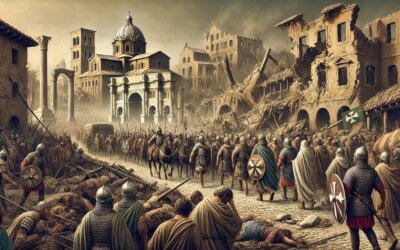
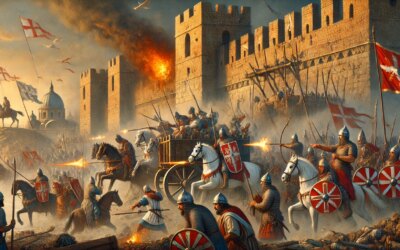
The battle commenced with a series of skirmishes. Totila used the terrain to his advantage, positioning his archers to harass the Byzantine flanks. A critical moment came when Totila launched a feigned retreat, drawing a significant portion of the Byzantine cavalry into a trap. His heavy cavalry then enveloped the Byzantines, breaking their formations. The Byzantine infantry, left exposed and demoralized, soon broke and fled. The Goths pursued them relentlessly, turning the retreat into a rout. The Battle of Faventia 542 was a crushing defeat for the Byzantines, costing them thousands of men and a significant portion of their command structure. It was a testament to Totila’s leadership and the revived spirit of the Ostrogothic kingdom.
A Resurgent Kingdom: The Aftermath and Byzantine Response
The victory at Faventia was more than just a battle won; it was a profound psychological triumph for the Ostrogoths and a severe blow to Byzantine morale. Totila capitalized on this momentum, rapidly extending his control over central and southern Italy. He moved swiftly to besiege Florence and subsequently defeated another Byzantine force at Mugello. The success allowed Totila to project an image of a liberator rather than a conqueror, often treating the local Italian populace with fairness, contrasting sharply with the often-rapacious Byzantine tax collectors.
The Gothic War Extended
The news of the defeat at Faventia and subsequent Gothic advances sent shockwaves through Constantinople. Emperor Justinian was forced to acknowledge the severity of the situation and began to dispatch more substantial reinforcements, eventually recalling Belisarius to Italy. However, the initial Byzantine forces were too fragmented and under-resourced to effectively counter Totila’s invigorated army. The Battle of Faventia 542 thus marked the true beginning of the second phase of the Gothic War, a period characterized by fierce Gothic resistance and years of continued devastation for Italy, proving that the dream of a quick reconquest was definitively over.
Frequently Asked Questions
Who was Totila and what was his significance?
Totila was the last great king of the Ostrogoths, who came to power in 541 AD during the Gothic War. His military genius and leadership, particularly demonstrated at the Battle of Faventia, revived the Ostrogothic kingdom’s fortunes and prolonged the war against the Byzantine Empire for over a decade, making him a central figure in the late Roman and early medieval history of Italy.
What led to the Byzantine defeat at Faventia?
The Byzantine defeat at the Battle of Faventia was due to several factors: the disunity and poor leadership among Byzantine generals, the spread of misinformation by Totila’s spies, and Totila’s superior tactical execution, including a feigned retreat that drew the Byzantine cavalry into a decisive trap. Byzantine forces were also geographically spread out and often understaffed, contributing to their vulnerability.
What was the long-term impact of the Battle of Faventia?
The Battle of Faventia 542 marked a crucial turning point, revitalizing Ostrogothic resistance and extending the Gothic War for many more years. It forced Emperor Justinian to commit more significant resources to Italy and showed that the reconquest would not be swift. The prolonged conflict further devastated Italy, economically and demographically, shaping its political landscape for centuries to come and solidifying the shift towards Byzantine rule in some regions while others developed independently.
Where is Faventia located today?
Faventia is known today as Faenza, a city located in the Emilia-Romagna region of Italy. It is situated between Bologna and Rimini, near the Lamone River, and is historically known for its ceramics, giving its name to ‘faience’ pottery.