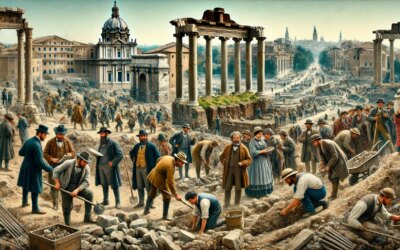
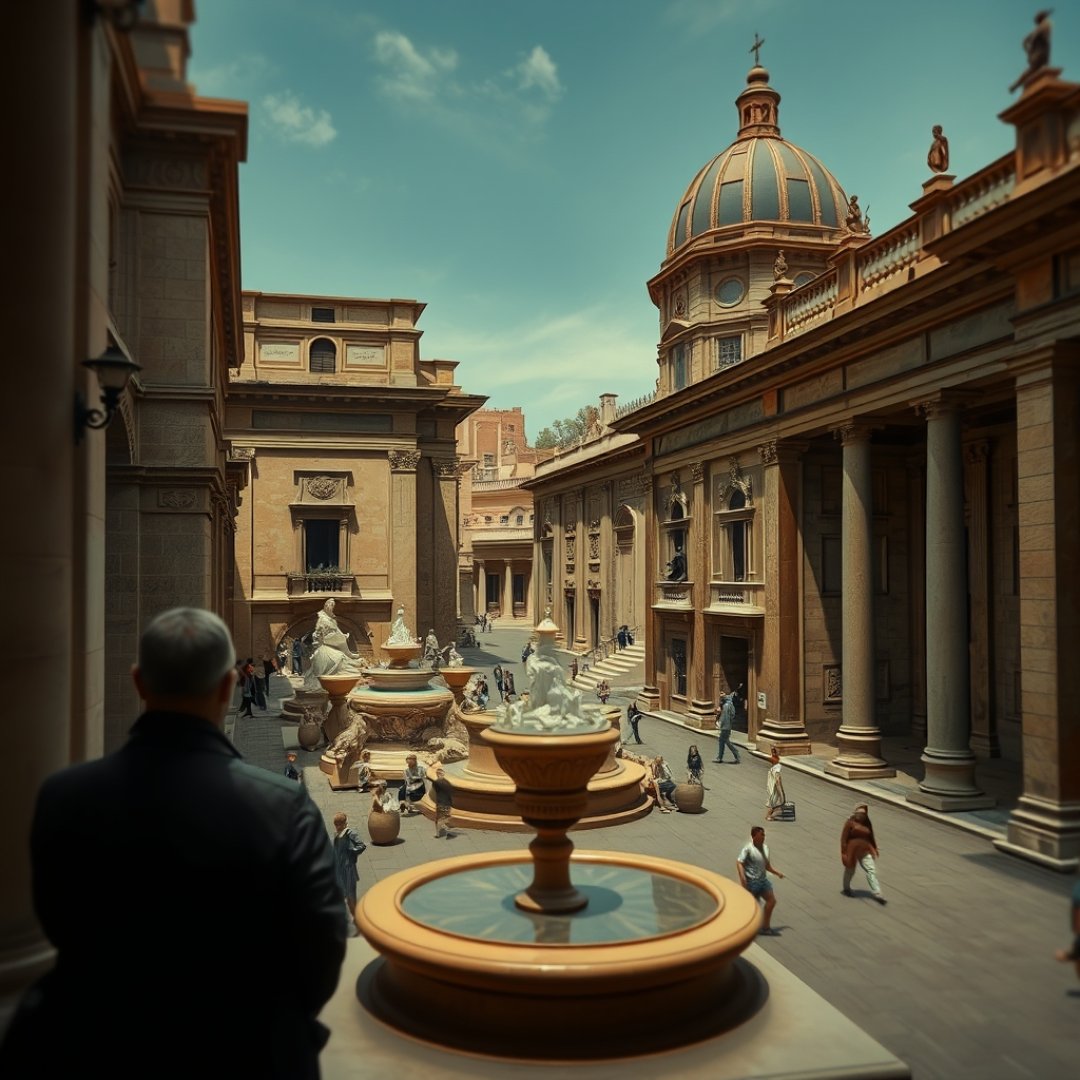
In the mid-18th century, as the Grand Tour drew European intellectuals and artists to Rome, one figure rose to define the visual experience of the Eternal City: Giovanni Battista Piranesi. Around 1766, Piranesi was at the height of his powers, continuously expanding his monumental series of etchings, the ‘Vedute di Roma’ (Views of Rome). These works transcended mere topographical representation, transforming the decaying ancient ruins into dramatic, sublime spectacles that captivated the European imagination and profoundly influenced the burgeoning Neoclassical movement. His artistic vision, a blend of meticulous archaeological detail and imaginative grandeur, made the Roman past palpable and inspired generations, cementing his legacy as a master interpreter of antiquity’s architectural might through the ‘Piranesi Vedute di Roma’. His unparalleled dedication to capturing the emotional resonance of these structures, even as they crumbled, offered a unique lens through which to appreciate Rome’s historical significance, making his work essential for understanding the city’s impact on modern thought and aesthetics.
The Master Etcher and His Vision
Born in Venice in 1720, Giovanni Battista Piranesi arrived in Rome in 1740, immersing himself in the city’s ancient ruins and contemporary architectural theory. Trained in stage design and perspective, he brought a theatrical sensibility to his depictions of classical antiquity. Unlike his contemporaries who often presented idyllic or strictly documentary views, Piranesi imbued his etchings with a powerful sense of drama and melancholy. He meticulously studied ancient Roman construction techniques and archaeological sites, often climbing scaffolding to sketch intricate details, yet he never hesitated to amplify scale or combine elements from different periods to create a more compelling vision. His initial forays into printmaking established his distinct style, characterized by strong contrasts, complex compositions, and an overwhelming sense of architectural mass.
Capturing Rome’s Grandeur: The ‘Vedute’ Series
The ‘Vedute di Roma’ series was Piranesi’s lifelong project, growing from a few plates in the 1740s to over 135 etchings by the time of his death in 1778. Each plate in the ‘Piranesi Vedute di Roma’ was a testament to his artistic and technical skill, showcasing Rome’s most famous landmarks—from the Colosseum and the Pantheon to the Arch of Constantine and the various forums. He often depicted these structures from low vantage points, emphasizing their colossal scale, with tiny human figures providing a stark contrast that highlighted the grandeur and the insignificance of man against the backdrop of history. Piranesi’s work wasn’t just about documenting; it was about interpreting the ruins, giving them a new life through his exaggerated perspectives and masterful play of light and shadow, transforming them into symbols of both imperial power and the ravages of time.
- Dramatic Scale: Piranesi frequently distorted scale to enhance the dramatic effect of ancient monuments.
- Emphasis on Decay: His etchings often highlighted the picturesque decay of ruins, evoking a sense of romanticism.
- Architectural Detail: Despite artistic liberties, the accuracy of architectural details was a hallmark of his work.
- Influence on the Grand Tour: His prints became essential souvenirs and guides for Grand Tourists, shaping their perceptions.
A Lasting Impact on Art, Architecture, and Archaeology
The influence of the ‘Piranesi Vedute di Roma’ was immediate and far-reaching. His powerful renditions of ancient architecture fueled the Neoclassical movement, inspiring architects and artists across Europe to draw upon Roman forms with renewed vigor and a deeper understanding of their monumental quality. Figures like Robert Adam and Jacques-Germain Soufflot studied his works intently. Beyond aesthetics, Piranesi’s meticulous, though often imaginatively enhanced, documentation of Roman structures contributed significantly to the burgeoning field of archaeology, providing invaluable records of buildings that have since further deteriorated or been lost. His etchings did not merely show what Rome looked like; they showed what Rome felt like, fostering an emotional connection to antiquity that continues to resonate today. The dramatic chiaroscuro and sublime scale of his works became a benchmark for architectural representation and remain iconic depictions of the Eternal City.
Piranesi’s Influence on Specific Architects
Many architects of the late 18th and early 19th centuries found inspiration in Piranesi’s bold compositions and detailed renderings. He provided a visual vocabulary for expressing grandeur and monumentality, influencing design philosophies far beyond Italy. His work encouraged a more profound, almost theatrical engagement with ancient forms, moving beyond simple imitation to a more emotive interpretation.
- Robert Adam: Adopted many of Piranesi’s motifs and a sense of scale in his British Neoclassical designs.
- Giovanni Antonio Antolini: His unrealized Foro Bonaparte in Milan showed a clear Piranesian ambition for monumental public spaces.
- Étienne-Louis Boullée: Shared Piranesi’s vision for vast, geometric architectural forms, particularly evident in his visionary cenotaphs.
Frequently Asked Questions
Who was Giovanni Battista Piranesi?
Giovanni Battista Piranesi (1720-1778) was an Italian artist, architect, and archaeologist, most famous for his dramatic etchings of Roman ruins and fantastic prisons. His work profoundly influenced Neoclassical art and architecture.
What are the ‘Vedute di Roma’?
The ‘Vedute di Roma’ (Views of Rome) is a renowned series of over 135 etchings by Piranesi, created between the 1740s and 1770s. These prints depict the ancient and contemporary architecture of Rome with dramatic flair and meticulous detail.
When did Piranesi create the ‘Vedute di Roma’?
Piranesi began creating his ‘Vedute di Roma’ in the 1740s and continued expanding the series until his death in 1778. The period around 1766 saw many significant additions and a peak in his influence and productivity.
How did Piranesi’s etchings influence art and architecture?
Piranesi’s ‘Vedute di Roma’ profoundly influenced Neoclassicism by showcasing the grandeur and dramatic potential of ancient Roman architecture. His unique perspective and detailed renderings inspired architects and artists across Europe, shaping the aesthetic of the late 18th and early 19th centuries and fostering a deeper appreciation for classical antiquity.
What was the significance of the ‘Piranesi Vedute di Roma’ during the Grand Tour?
The ‘Piranesi Vedute di Roma’ became indispensable for participants of the Grand Tour. These etchings served as popular souvenirs and detailed visual guides, helping Grand Tourists understand and appreciate the monumental scale and artistic significance of Rome’s ancient ruins, often shaping their expectations and memories of the city.