The year 1343 marked a profound period of political and economic desolation for the Eternal City, Rome, stripped of its traditional head by the prolonged absence of the papacy in Avignon. Amidst this backdrop of urban decay and aristocratic feuds, the venerable institution of the Roman Senate, though significantly diminished in actual power, undertook a crucial diplomatic effort. This body, representing the beleaguered populace and noble factions, dispatched a formal petition to the newly elected pontiff, Pope Clement VI. This Roman Senate 1343 petition was far more than a mere formality; it was a desperate and eloquent plea for the Pope to abandon his French exile and restore the Apostolic See to its rightful home. The petition underscored the spiritual and material ruin plaguing Rome, painted a vivid picture of its crumbling infrastructure and deserted churches, and appealed to the Pope’s sense of duty and his connection to Peter’s See. Its significance lay not just in its immediate impact, but in encapsulating the deep yearning within Rome for a return to its former glory and stability, a sentiment that would define much of the city’s 14th-century political landscape.
Rome’s Desolation During the Avignon Papacy
A City in Decline
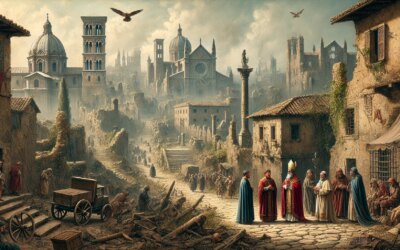
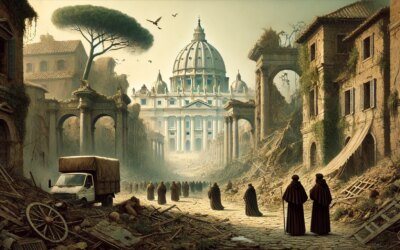
By 1343, Rome was a shadow of its former imperial self. The magnificent structures that had once defined its grandeur were in disrepair, often repurposed as fortresses by warring noble families like the Orsini, Colonna, and Savelli. The absence of the Pope and his Curia had stripped the city of its primary source of income, leading to widespread poverty and a dramatic decline in population. Pilgrimage, a vital economic driver, dwindled significantly, leaving churches desolate and businesses struggling.
This period was characterized by constant feuding among the powerful Roman baronial families, who vied for control over the city’s remaining resources and its nominal governmental structures, including the Senate. Streets that once bustled with imperial ceremonies were now dangerous, prone to skirmishes and banditry. The spiritual capital of Christendom was, paradoxically, a forgotten and neglected backwater.
The Roman Senate’s Urgent Appeal to Clement VI
Crafting a Desperate Plea
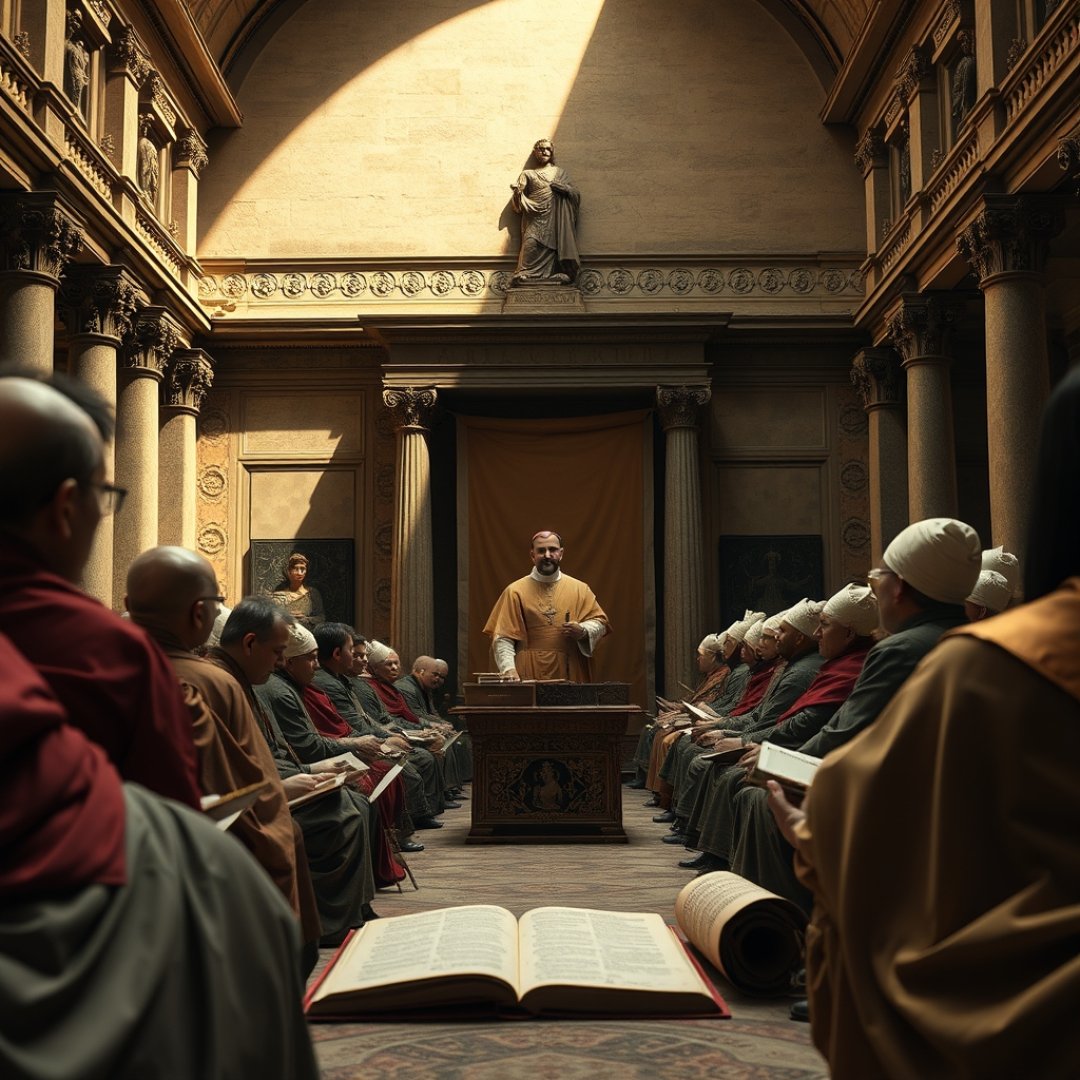
The Roman Senate 1343 petition was a carefully constructed document, designed to tug at the conscience of the newly enthroned Pope Clement VI. It highlighted Rome’s historical and spiritual preeminence as the seat of St. Peter and the capital of the ancient world. The senators painted a stark picture of the city’s physical and moral decay, asserting that the very sanctity of the Church was compromised by the pontiff’s continued residence in Avignon. They emphasized the ruin of churches, the abandonment of holy sites, and the general moral decline attributed to the papal absence.
A significant figure associated with this period and the advocacy for papal return was the renowned poet and scholar Francesco Petrarch. While not directly involved in drafting this specific petition, Petrarch was a vocal proponent of the Pope’s return to Rome, famously writing letters to Clement VI and previous popes expressing similar sentiments. His passionate appeals echoed the very desperation articulated by the Roman Senate, underscoring a broader intellectual and spiritual movement that believed Rome’s restoration was essential for the well-being of Christendom.
A Temporary Reprieve and Enduring Hopes
Papal Indifference and Renewed Hope
Despite the earnest appeal of the Roman Senate 1343 petition, Pope Clement VI ultimately chose to remain in Avignon. While he expressed sympathy for Rome’s plight and made a gesture by offering funds for church repairs and granting jubilee indulgences, his personal security and the political advantages of residing in French territory outweighed the pleas from Rome. Clement VI never permanently returned to the Eternal City. However, his successor, Urban V, did make a brief, albeit ultimately unsuccessful, return to Rome in 1367, demonstrating that the pressure from Rome and figures like Petrarch was not entirely in vain.
The petition, though failing to achieve its immediate goal, stands as a testament to the persistent belief in Rome’s unique spiritual and historical significance. It illustrates the enduring struggle of the Roman populace and its institutions to reclaim their city’s former glory amidst the complexities of medieval papal politics. This constant yearning for the papacy’s return eventually bore fruit with Gregory XI’s definitive return in 1377, marking the end of the Avignon Papacy and setting the stage for renewed attempts at Rome’s rehabilitation.
Frequently Asked Questions
What was the Avignon Papacy?
The Avignon Papacy was the period from 1309 to 1377 during which seven successive popes resided in Avignon, France, rather than in Rome. This period was marked by French influence over the papacy and contributed to Rome’s political and economic decline.
Who was Pope Clement VI?
Pope Clement VI (born Pierre Roger de Beaufort) reigned from 1342 to 1352. He was the fourth Avignon Pope and known for his lavish lifestyle and patronage of the arts, but he resisted calls to return the papacy to Rome despite the city’s pleas.
What was the state of Rome in the 14th century, particularly around 1343?
In 1343, Rome was largely desolate, economically depressed, and politically unstable. The absence of the Pope had led to a sharp decline in pilgrimage, widespread poverty, and constant conflicts among powerful noble families vying for control, leaving many ancient structures in ruins.
What role did the Roman Senate play during the Avignon Papacy?
During the Avignon Papacy, the Roman Senate’s actual power was limited, often dominated by aristocratic factions. However, it still served as a symbolic representative body of the Roman people, and in 1343, it collectively authored and dispatched a crucial petition imploring Pope Clement VI to return to Rome.
Did the Pope return to Rome immediately after the 1343 petition?
No, Pope Clement VI did not return to Rome after receiving the petition. While he offered some financial aid, he remained in Avignon. It was not until 1377, with Pope Gregory XI, that the papacy definitively returned to Rome, ending the Avignon period.