
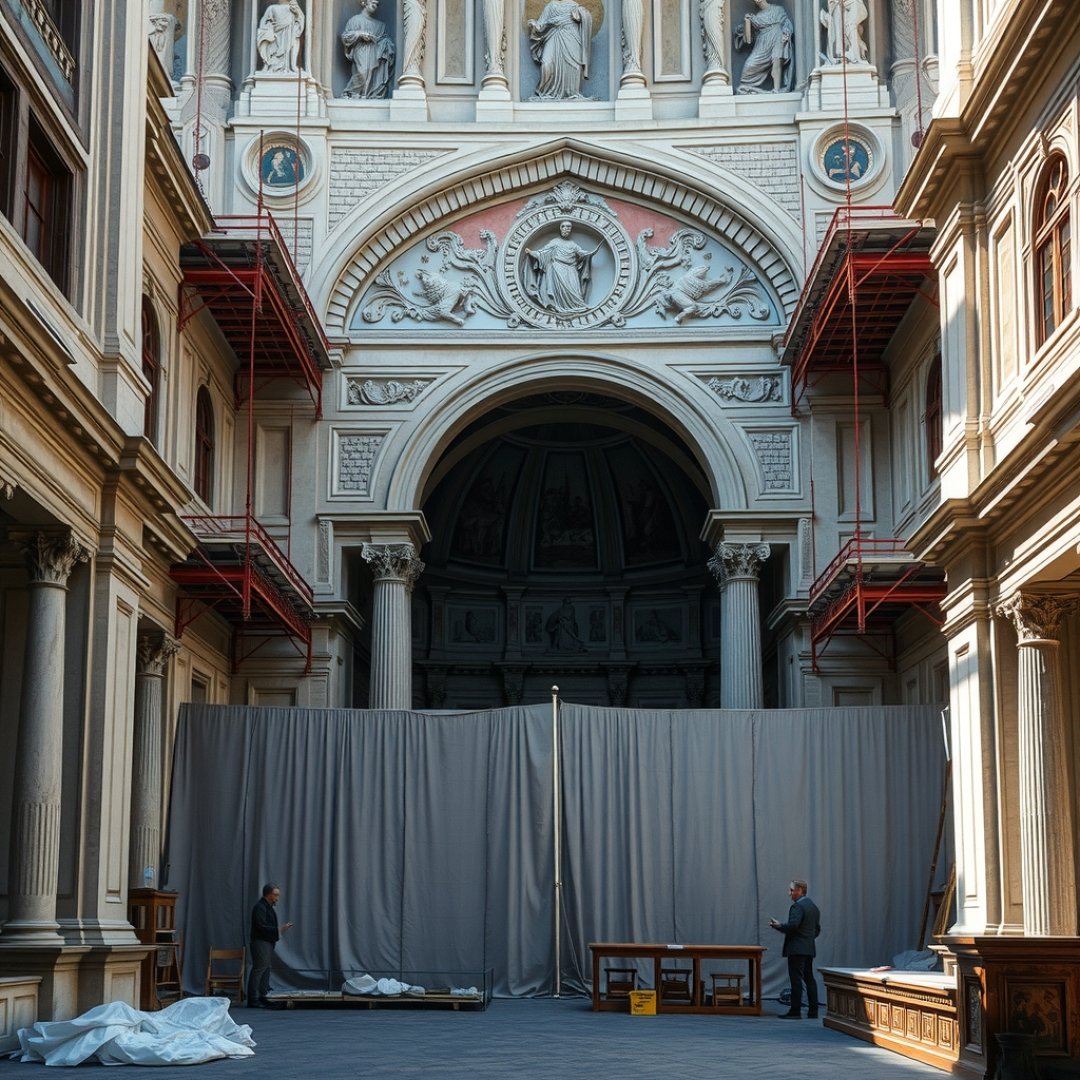
The monumental rebuilding of St. Peter’s Basilica, a project spanning centuries, saw numerous popes leave their indelible mark. Among these, Pope Gregory XIII (pontificate 1572-1585) made a significant contribution with the initiation of the Gregorian Chapel Construction. This ambitious undertaking, beginning around 1578, was not merely an addition to the grand design but a reflection of the Counter-Reformation spirit and the enduring power of the papacy in late 16th-century Rome. Conceived as a grand mausoleum for the Pope and a key devotional space, the chapel exemplifies the architectural and artistic advancements of its time, incorporating elements that bridged the High Renaissance with the emerging Baroque style. Its creation required immense resources and the talents of leading architects and artists, ultimately shaping a vital part of the world’s largest church and symbolizing a pivotal era in Roman history. This project underscores the continuity of papal influence on the city’s urban and sacred landscape, even amidst widespread religious and political upheaval across Europe.
The Papal Vision: Gregory XIII’s Mark on St. Peter’s
The pontificate of Pope Gregory XIII, known primarily for the calendar reform, also marked a crucial phase in the reconstruction of St. Peter’s Basilica. Having inherited a monumental, yet incomplete, architectural endeavor, Gregory XIII was keen to accelerate progress and imprint his legacy upon the structure. The decision to undertake the Gregorian Chapel Construction stemmed from both a desire to create a suitable burial place for himself and his family, and to provide a magnificent devotional space within the new basilica. This was a period of intense religious fervor following the Council of Trent, where the Catholic Church sought to reaffirm its majesty and spiritual authority through grand artistic and architectural expressions. The chapel was envisioned not just as a private sanctuary but as a public declaration of faith, incorporating significant relics and venerated images. Its strategic placement within the basilica’s evolving layout ensured it would be a prominent feature, commanding attention and devotion.
The Legacy of Previous Popes
- Julius II: Initiated the rebuilding of St. Peter’s in 1506.
- Paul III: Appointed Michelangelo as chief architect in 1546, who designed the dome and much of the overall plan.
- Pius IV and V: Continued construction, facing significant financial and logistical challenges.
Giacomo della Porta: Crafting the Gregorian Chapel
The primary architect tasked with the Gregorian Chapel Construction was Giacomo della Porta, a student and successor of Michelangelo. Della Porta, known for his work on the Gesù Church and the dome of St. Peter’s itself (which he completed after Michelangelo’s death), brought a sophisticated understanding of Renaissance and early Baroque aesthetics to the chapel’s design. The chapel features a centrally planned, octagonal design, capped by a grand dome, and is richly decorated. Its robust forms and elaborate detailing provided a template for future Baroque chapels within the basilica. Della Porta faced the challenge of harmonizing his design with Michelangelo’s grand vision for St. Peter’s, while also incorporating the specific liturgical and symbolic requirements of Pope Gregory XIII.
Key Architectural Features:
The chapel’s design is notable for several elements:
- Dome: A significant feature, influencing later dome designs.
- Marble Revetment: Extravagant use of polychrome marbles and precious stones, typical of papal patronage.
- Chapels within the Chapel: Smaller altars and niches for specific devotions and relics.
- Integration: Seamlessly connected to the larger basilica structure while maintaining its distinct identity.
Artistic Embellishments and Lasting Impact
Beyond its architectural brilliance, the Gregorian Chapel Construction was a canvas for some of the era’s finest artists. Giovanni Guerra, Cesare Nebbia, and others contributed to the extensive mosaic and fresco decorations that adorn the chapel’s interior. These artistic programs often depicted themes related to the Virgin Mary, to whom the chapel was dedicated (specifically to the Madonna della Colonna), and saints revered by Pope Gregory XIII. The mosaics, in particular, were a costly and labor-intensive choice, reflecting the permanence and grandeur desired for such an important space. The chapel also houses significant relics, including the revered image of the Madonna della Colonna, which was transferred from the old St. Peter’s Basilica, further cementing its spiritual importance. The chapel thus became a vital site for pilgrimage and prayer, embodying the Counter-Reformation’s emphasis on visual splendor and the veneration of sacred objects.
Symbolic Importance:
- Counter-Reformation: A powerful statement of Catholic renewal.
- Papal Authority: Showcased the Pope’s wealth, power, and devotion.
- Artistic Legacy: A prime example of late Renaissance and early Baroque integration of architecture and art.
- Devotional Hub: Continues to be a significant site for prayer and veneration within St. Peter’s.
Frequently Asked Questions
Who commissioned the Gregorian Chapel Construction?
The Gregorian Chapel was commissioned by Pope Gregory XIII, who reigned from 1572 to 1585.
Who was the primary architect of the Gregorian Chapel?
Giacomo della Porta was the principal architect responsible for the design and construction of the Gregorian Chapel.
What was the main purpose of the Gregorian Chapel?
The chapel served as a mausoleum for Pope Gregory XIII and his family, a significant devotional space within St. Peter’s Basilica, and housed important relics, particularly the image of the Madonna della Colonna.
What artistic elements are notable in the Gregorian Chapel?
The chapel is renowned for its extensive and elaborate mosaic decorations by artists such as Giovanni Guerra and Cesare Nebbia, as well as its rich use of polychrome marbles.
How does the Gregorian Chapel relate to the overall construction of St. Peter’s Basilica?
The Gregorian Chapel represents a pivotal phase in the centuries-long rebuilding of St. Peter’s, embodying late Renaissance architectural principles and setting precedents for subsequent Baroque additions, while also being one of the first major completed sections of the new basilica.
Related posts:
 Michelangelo’s Vision for St. Peter’s Basilica (c. 1546): Redefining Rome’s Sacred Heart
 The Completion of St. Peter’s Basilica Facade (1614): Carlo Maderno’s Grand Design
 The Completion of St. Peter’s Basilica Dome (1590): A Renaissance Architectural Triumph
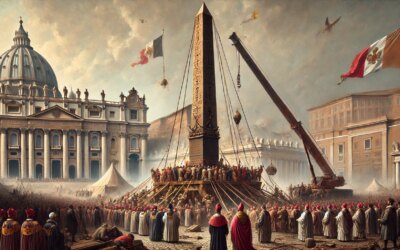 Raising the Vatican Obelisk: Sixtus V’s Monumental Vision in 1586